
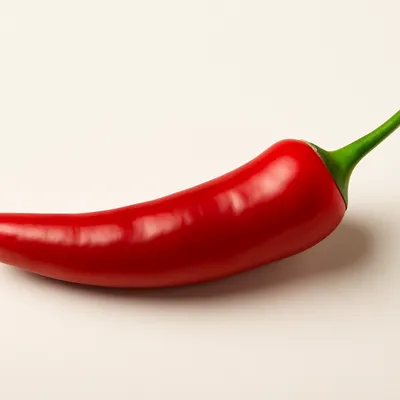
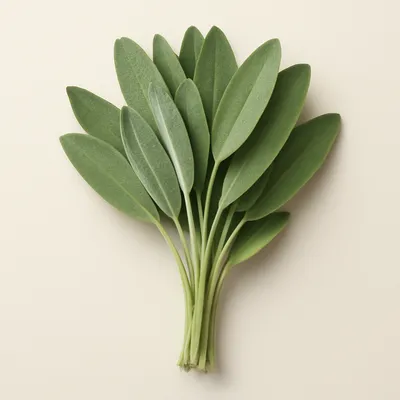
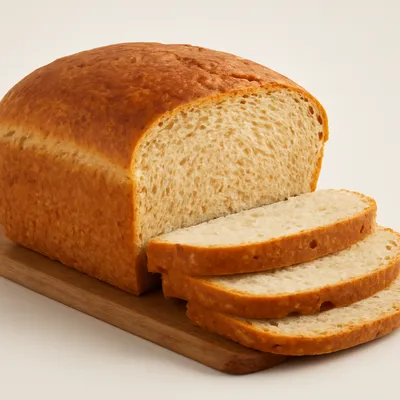
The seafood stew of Livorno, on the Tuscan coast — a deep red, mixed catch of fish and shellfish in a spiced tomato-and-red-wine broth, ladled over garlic-rubbed toasted bread. Tradition asks for several kinds of seafood, conventionally at least five: rockfish and scorpionfish, gurnard, mullet, octopus, cuttlefish or squid, plus shellfish such as mussels. They are cooked in stages by firmness — the long-cooking octopus and cuttlefish first, the tender fish last — in a soffritto of garlic, chili and sage with red wine and tomato. The bread (fettunta) rubbed with raw garlic lines the bowl and soaks up the broth. It is a one-pot meal, hearty and assertively spiced.



Cacciucco is the signature dish of Livorno, the Tuscan port, and is traditionally said to be about five centuries old — a fishermen's dish made from the part of the catch left unsold, cooked up at the end of the day. Its first detailed written recipe appears in Pellegrino Artusi's 1891 cookbook La scienza in cucina e l'arte di mangiar bene. The name is usually traced to the Turkish kaçukli, meaning 'bits and pieces' or 'odds and ends', fitting a stew of mixed scraps, though the etymology is not certain. A well-known piece of lore holds that the soup should contain at least five kinds of fish, one for each letter 'c' in cacciucco; this is a tradition and mnemonic rather than a fixed rule. Several origin legends circulate, none documented.
A bowlful of deep brick-red broth, glossy with oil and dense with tomato, holding whole pieces of fish on the bone, rings of squid, curls of octopus and shellfish in the shell. The flavour is intensely of the sea, layered because each fish cooked a different length — sweet shellfish, firm cuttlefish, flaky white fish all in one spoon — over a base of garlic, sweet tomato and the heat of chili. Red wine gives a savory depth unusual in a fish soup. The garlic toast at the bottom turns soft and saturated, carrying the broth. The first taste is rich tomato and seafood, then the chili builds and the garlic lingers. A good cacciucco keeps every fish just-cooked and distinct; a bad one is muddy and overcooked, the delicate fish gone to threads, if everything went in at once.
Cacciucco is built on staged cooking and a fish-bony base. The seafood is added in order of how long it needs: octopus and cuttlefish, tough with collagen and connective tissue, go in early so that slow simmering can hydrolyze that collagen to gelatin and turn them tender, while flaky white fish go in near the end, since their delicate proteins set and dry out fast. Bony, gelatinous rockfish and the heads and trimmings enrich the broth — their collagen and the released proteins give the soup body and a glossy mouthfeel. The soffritto of garlic, chili and sage in oil is the aromatic foundation; the red wine is added and reduced so its alcohol carries aroma and its acid and tannin cut the richness, a savory note not usual with fish. Cooking everything in tomato and wine ties the mixed catch into one sauce. The key is timing each fish so none is undercooked and none falls apart.
Variations
There is no single fixed roster of fish — the catch decides — but the spirit is variety, and many cooks honour the at-least-five-kinds tradition. The Livornese style relies on garlic, chili and fresh sage and on red wine; some households use white wine instead, and the amount of chili and tomato varies widely. Spelling and recipe were given a degree of formal recognition by the Tuscany region in recent years as a traditional Livornese dish. Comparable Mediterranean fish stews are close cousins — Marseille's bouillabaisse, the Catalan suquet, and elsewhere in Italy the brodetto of the Adriatic coast and the Neapolitan zuppa di pesce — each with its own local seasoning and bread.
On the Palate
Where Cacciucco sits in the Italian flavor cloud
Ingredients
Serves 6
How it's made
8 steps · 45 min
- 130 min
Clean all the seafood; cut the octopus and cuttlefish into pieces and keep the firmer and the more delicate fish separate.
- 28 min
In a wide heavy pot, gently fry plenty of garlic, whole chili and a few sage leaves in olive oil until fragrant.
- 38 min
Add the octopus and cuttlefish, pour in the red wine and let it reduce until the raw-alcohol smell is gone.
Watch outReduce the red wine until the raw-alcohol sting is gone — if you rush the tomato in over boozy wine, that harsh edge stays in the broth.
- 420 min
Stir in crushed tomato or passata and a little water, season, and simmer until the octopus and cuttlefish are turning tender.
Watch outGive the octopus and cuttlefish a long enough simmer to turn tender — they're collagen-tough and go in early precisely so slow heat can soften them.
- 510 min
Add the firm bony fish and shellfish and simmer until the shells open and the fish is nearly done.
- 68 min
Lay the delicate white fish on top and simmer just until it is cooked through, without stirring it apart.
Watch outLay the delicate white fish on top and simmer just until it flakes — don't stir it, or it breaks apart into rags in the broth.
- 76 min
Toast slices of bread and rub each with a cut raw garlic clove.
- 85 min
Put the garlic toast in the bottom of warmed bowls, ladle the cacciucco and its broth over, and serve at once.
Archive tool suggestions — not reviewed
These legacy suggestions have not been evidence-reviewed and are not presented as required tools.



