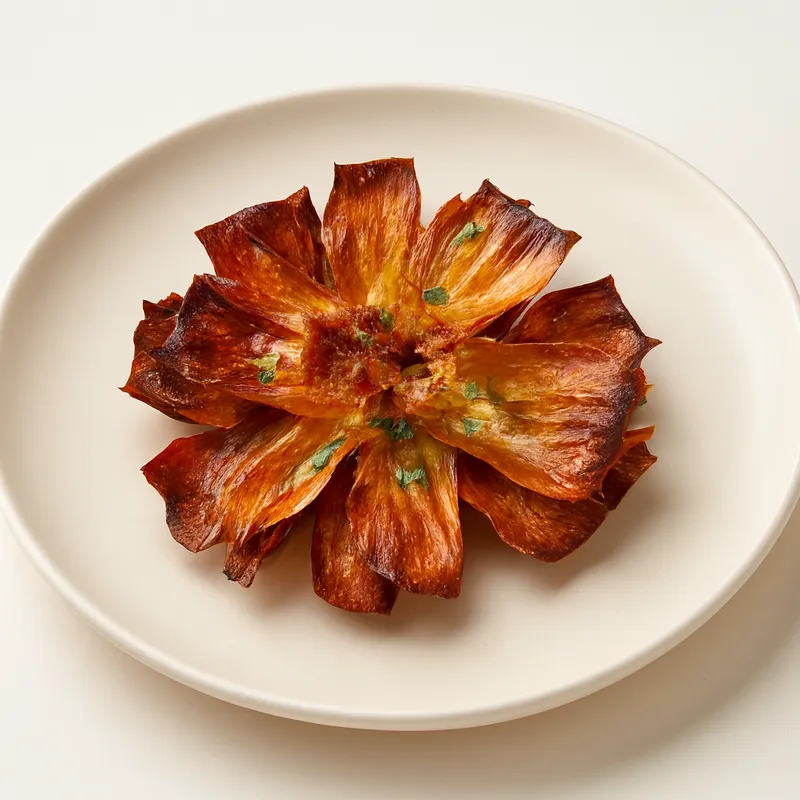
Small Adriatic sea snails of the Ancona coast — the pelican's-foot snail, recognisable by the crest of four points on its shell — purged, their pointed tips snapped off, then braised 'in porchetta' with abundant garlic, chilli, rosemary and, above all, wild fennel, deglazed with dry white wine and finished with tomato. The wild fennel is the signature note. A finger-food classic of seaside Ancona, eaten one snail at a time with a toothpick. The method closely overlaps the Marche potacchio braise, but the fennel-led version is the traditionally named dish.
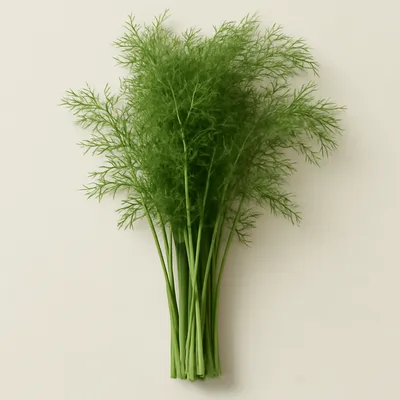

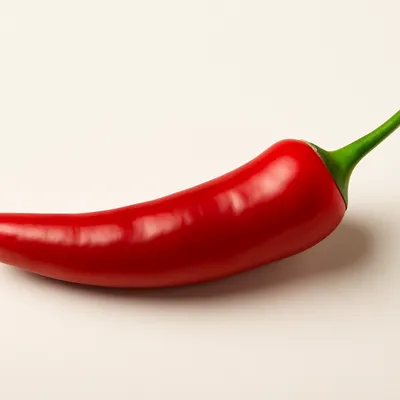

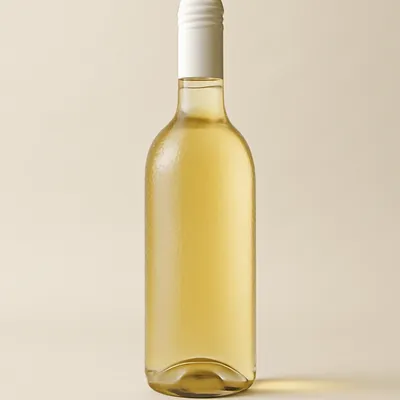

In the dialects of Ancona and the Marche coast, garagoj or garagoli (called crocette in Ancona itself) are Aporrhais pespelecani, the pelican's-foot snail; the official Mondolfo town description pins the species by its shell 'with a little crest of four points', which rules out the many-spined murex it is sometimes confused with. The dish's documented traditional name is in porchetta — an aromatic braise foregrounding wild fennel, the same herb that flavours Marche porchetta — though the cooking base of oil, garlic, rosemary, white wine and tomato overlaps heavily with the region's potacchio. There is no documented Easter association; the real calendar anchors are the Sagra dei Garagoi at Marotta, founded by local fishermen in 1948 and still held each April, and a customary tie to the first of May around Ancona. The dialect word garagoli has no documented etymology.
Each snail is a small, chewy morsel you tease out of its shell with a toothpick — pull and suck, the local way. The meat is firm and faintly iodine-sweet; the sauce around it is loud with garlic and the unmistakable aniseed lift of wild fennel, warmed by chilli and rounded by tomato. Bread to wipe the pan is mandatory. This is slow, sociable, hands-on eating: a heap of snails, a glass of Verdicchio, and an afternoon to spend.
The snails are first purged alive in salted or sea water — anywhere from a few hours to overnight, even up to two days for the festival method — so they expel grit, then their pointed shell tips are snapped off so the braise can penetrate and the cooked meat can be sucked out. A brief pre-boil and the roughly twenty-minute covered simmer tenderise the dense, tough foot muscle of the gastropod. The aromatics go into hot oil first to bloom: garlic, chilli, rosemary and the wild fennel infuse the fat before the snails and wine are added, and the tomato then reduces around them into a clinging sauce.
Variations
The fennel-led in porchetta is the canonical name; a looser 'in potacchio' label is sometimes used for the same garlic-rosemary-wine braise, since the bases overlap. Some cooks add wild mint alongside the fennel, and the deglazing wine is typically a local Verdicchio or Bianchello del Metauro. Take care with the snail's identity: the spiny murex of these waters is the 'ragusa', and the little Nassarius snails are 'bombetti' — neither is the true garagolo.
On the Palate
Where Garagoli in Porchetta sits in the Italian flavor cloud
Ingredients
Serves 4


How it's made
7 steps · 20 min
- 1600 min
Purge the live snails in salted or sea water for several hours to overnight, rinsing and rubbing them repeatedly until the water runs clean.
Watch outPurge the live snails in salted water, rinsing and rubbing until the water runs clean — this is what rids them of grit; skimp on it and every bite is gritty.
- 215 min
Snap off the pointed tip of each shell so the sauce can penetrate and the meat can be sucked out.
- 312 min
Pre-boil the snails briefly in salted water, then drain.
- 48 min
In abundant olive oil, gently fry garlic, chilli, rosemary, and plenty of wild fennel until fragrant.
- 56 min
Add the snails and pour in the dry white wine; let it bubble and reduce.
- 620 min
Stir in tomato passata, cover, and simmer about twenty minutes until the sauce is reduced and clinging.
Watch outSimmer covered about twenty minutes until the sauce reduces and clings — the dense foot muscle needs that time to turn tender, and the tomato needs it to coat the snails.
- 72 min
Serve as finger food with toothpicks and plenty of bread.
Archive tool suggestions — not reviewed
These legacy suggestions have not been evidence-reviewed and are not presented as required tools.