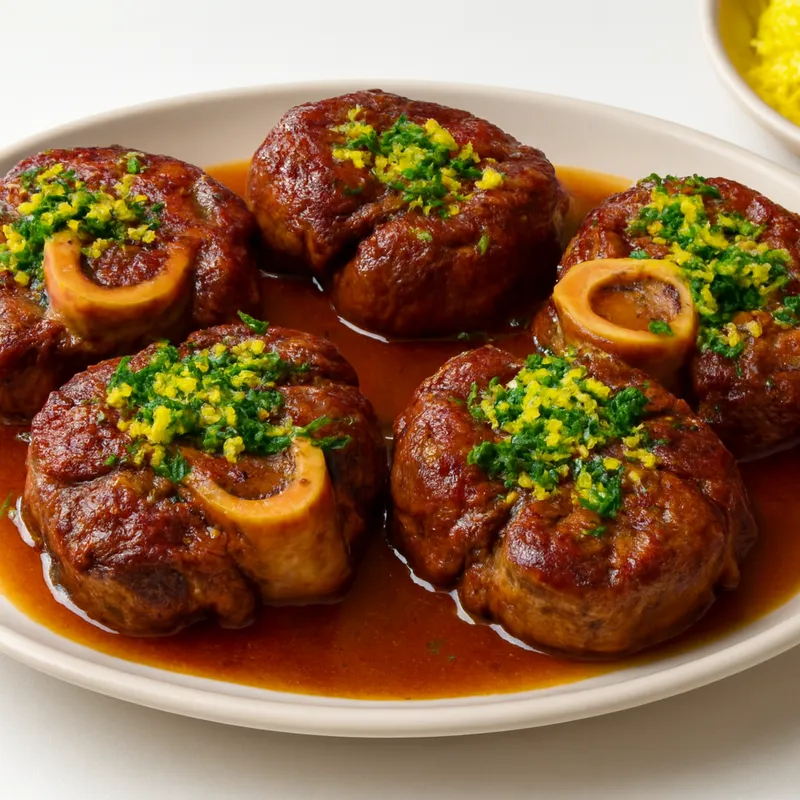
A southern Italian summer vegetable stew, called «cianfotta» in and around Naples. Eggplant, bell peppers, potatoes, onions and ripe tomatoes are cut up and stewed together in olive oil with garlic and basil until soft and melded, with the potato breaking down a little to thicken the juices. It is loose and chunky, somewhere between a thick vegetable stew and a side dish, the vegetables collapsing into one another rather than staying sharply separate. It is eaten hot or, more typically, at room temperature, as a contorno alongside meat or fish, as a light main with bread, or tossed through pasta.
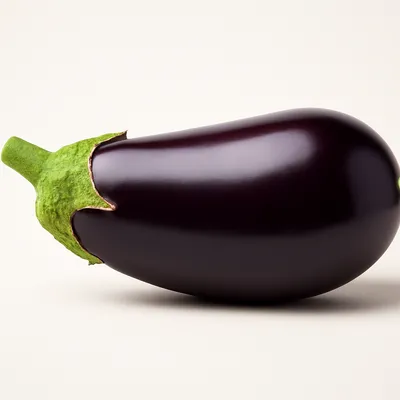
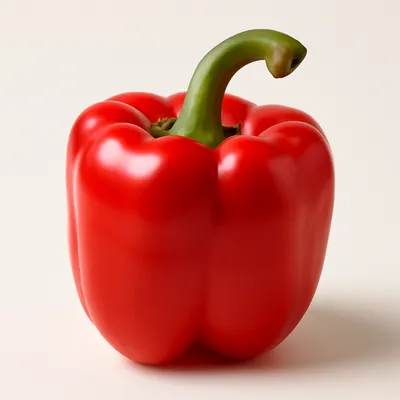
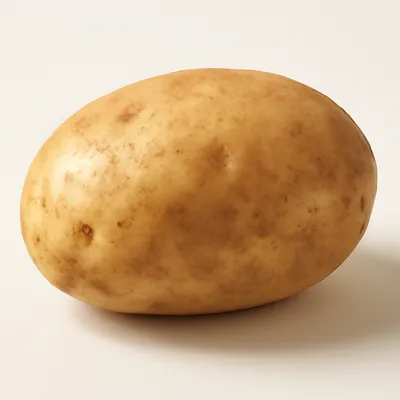

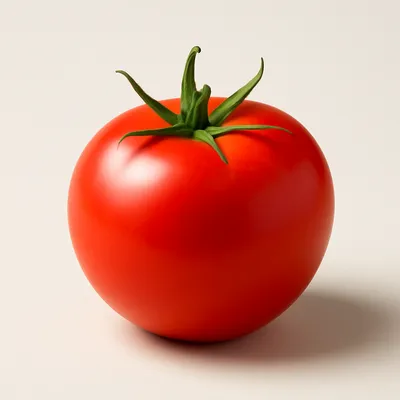

A dish of southern Italian cucina povera, made across Campania, Basilicata, Calabria, Molise and into Apulia and Lazio, with the name shifting from place to place — «cianfotta» around Naples, «ciambotta» or «ciammotta» further south. The name is generally taken to be a dialect word for a jumble or mixture, which suits a dish whose whole logic is to gather up whatever the summer garden gives; its exact derivation is uncertain. It has no single author or date: it belongs to the broad western-Mediterranean family of cooked vegetable stews, alongside Sicilian caponata and Provençal ratatouille, and like them it spread with emigration — it is found in Argentina as «chambota». Because it was cheap, made ahead and good cold, it travelled well to the fields as a midday meal.
Soft, juicy and well-stewed, the vegetables yielding completely but still readable as eggplant, pepper and potato by texture. The taste is sweet and rounded — sweet peppers and onion, the slight bitterness of eggplant, the bright acidity of tomato — bound by olive oil and lifted by basil, with garlic underneath. It is best a few hours after cooking, or the next day, when the flavours have settled and pooled; eaten warm it is brighter, at room temperature it is rounder. A good ciambotta is silky and unified with the potato thickening the juices. A bad one is watery and thin if the tomato was not reduced, or greasy and stewed-grey if the eggplant soaked up too much oil or everything was simply boiled to mush without enough oil and time to meld.
The dish works by cooking each vegetable to its own point and then letting them stew together to trade flavours. Onion and pepper are softened first to build a sweet base; potato and eggplant need longer, and the potato's starch, released as it softens, thickens the tomato juices into a light sauce that coats everything. Eggplant is a sponge of air-filled cells that drinks oil fast, so cooks salt or pre-cook it, or add oil with care, to keep the stew from turning greasy. Long, gentle stewing breaks down the vegetables' pectin and cell walls so they soften and merge, while the tomatoes' acidity and sugars concentrate as their water cooks off. Olive oil both carries fat-soluble aromas and emulsifies lightly with the released juices into a glossy sauce, and the dish improves on resting because the flavours go on diffusing between the pieces after the heat is off — which is why it is so often eaten the next day.
Variations
The mix shifts by place and household. In Campania alone there are several lines: a Cilento style of diced peppers, potato and eggplant stewed slowly with halved cherry tomatoes, oil, garlic and basil; a Benevento style with zucchini, potato, carrot, chard, fresh beans and zucchini flowers; and the Naples «cianfotta» close to the Cilento one but finished with black olives and oregano. Further south the «ciambotta» of Basilicata and Calabria runs to peppers, potatoes and eggplant, sometimes with egg cracked in at the end. It sits beside, but is distinct from, Sicilian caponata (sweet-and-sour, with celery, capers and vinegar) and French ratatouille (the same vegetables, often cooked more separately).
On the Palate
Where Ciambotta sits in the Italian flavor cloud
Ingredients
Serves 6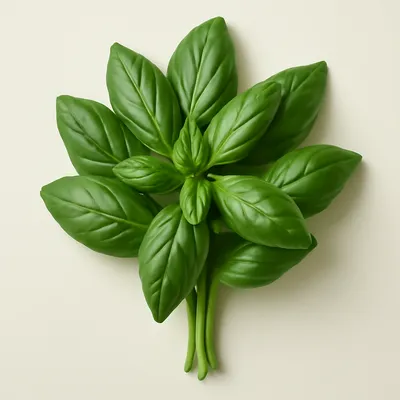
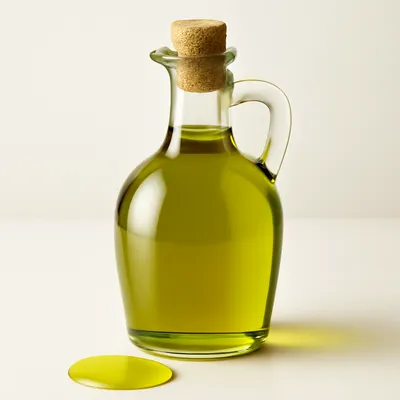
How it's made
8 steps · 25 min
- 130 min
Cut the eggplant into chunks, salt it in a colander for half an hour to draw out moisture, then pat dry.
Watch outSalt the eggplant a full half hour and pat dry — pulling out that water is what stops the sponge-like flesh from drinking all the oil greasy.
- 26 min
Soften sliced onion and a clove of garlic in a generous pour of olive oil in a wide pan.
- 35 min
Add the bell peppers cut into strips and cook a few minutes until they begin to soften.
- 43 min
Add the potatoes in chunks and the drained eggplant and turn them in the oil to coat.
- 53 min
Add the chopped ripe tomatoes, a little water if needed, and salt; stir to combine.
- 635 min
Cover and stew gently, stirring now and then, for about 30 to 40 minutes until everything is soft and the potato has thickened the juices.
Watch outStew gently until the potato softens and its released starch thickens the tomato juices into a light sauce coating everything.
- 75 min
Uncover for the last few minutes to reduce any excess liquid to a light, glossy sauce.
Watch outUncover at the end to cook off excess liquid to a glossy sauce — leave it watery and the flavours stay thin and washed out.
- 83 min
Tear in fresh basil, adjust the salt, and let it rest off the heat; serve warm or at room temperature.
Archive tool suggestions — not reviewed
These legacy suggestions have not been evidence-reviewed and are not presented as required tools.