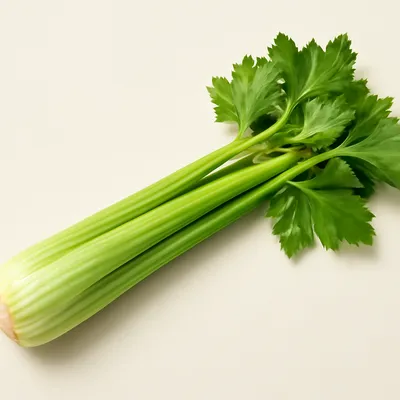
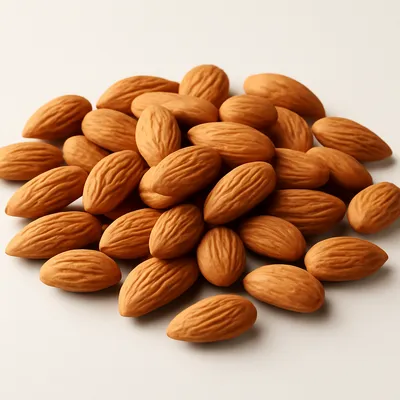
Carabaccia is Florence's onion soup, a dish of Renaissance pedigree in which sliced onions are stewed very slowly to a sweet golden softness, then simmered in broth and poured over stale Tuscan bread. Its older, courtly form was sweet and aromatic, thickened with ground almonds and seasoned with a little sugar, vinegar and cinnamon in the sweet-and-sour manner of the day. Two versions survive: a plain one built on onions, celery and carrot, and a richer one made with the sweet red onions of Tropea. By legend it is the ancestor of French soupe à l'oignon, said to have travelled north with Caterina de' Medici; historians are more cautious, but the Tuscan soup is unquestionably old.



Carabaccia is an onion soup of old Florence, its roots reaching into the Renaissance and, in the earliest versions, its flavour distinctly sweet and spiced: onions cooked down with ground almonds, sugar, vinegar and cinnamon, in the sweet-and-sour taste the courts of the fifteenth and sixteenth centuries prized. The Ferrarese court steward Cristoforo di Messisbugo, whose 1549 book records the grand cookery of the age, is often cited among those who set down such onion soups, and the sweet-sour almond-and-cinnamon register is well documented in his kitchen. The soup is tied to the onion country of Tuscan Certaldo, and by tradition it crossed the Alps with Caterina de' Medici, who left Florence in 1533 to marry the future Henry II of France, becoming the parent of soupe à l'oignon; food historians treat this as legend, noting that the modern French soup, on meat broth with bread, took its familiar form only in the eighteenth century.
Deeply savoury-sweet, the onions dissolve almost to a cream, their sharpness long cooked away into mellow sweetness, with the ground almonds lending a soft body, a whisper of cinnamon warmth, and the vinegar keeping it from cloying. The bread thickens the broth to a spoon-coating richness, and a little grated pecorino, where it is used, adds a salty edge.
The soup lives or dies on how the onions are cooked. Held long over low heat, their cells break down and release water, and their sugars, glucose and fructose, concentrate and undergo caramelisation and Maillard browning with the onion's own amino acids, building a deep, sweet, brown flavour from nothing but onion and time. The same slow heat tames the pungency, as the volatile sulphur compounds that make raw onion sharp break down and rearrange into milder, even sweet-tasting molecules. Ground almonds thicken the old-style soup as they did across medieval and Renaissance cooking, their oil and protein emulsifying into the broth to give body without flour; a little sugar reinforces the onions' sweetness while the vinegar's acidity balances it, the classic sweet-sour tension. Stale bread finishes the job, its starch swelling to bind the soup.
Variations
The soup runs from plain to sumptuous. The everyday version leans on onions, celery and carrot with vegetable broth; the richer one uses the sweet red onions of Tropea and may drop the celery. Many modern cooks skip the almonds, sugar and cinnamon of the Renaissance recipe for a simpler savoury soup, sometimes crowning each bowl with a poached or beaten egg and a handful of grated pecorino or parmesan before a final gratin under the grill. Peas are added in spring. The bread may be layered in the bowl or cooked into the soup until it collapses.
On the Palate
Where Carabaccia sits in the Italian flavor cloud
Ingredients
Serves 4


How it's made
7 steps · 25 min
- 115 min
Slice the onions very thinly and finely chop the celery and carrot.
- 25 min
Warm the olive oil in a heavy pot and add all the vegetables with a pinch of salt.
- 340 min
Stew them very gently, covered, over low heat until soft, sweet and pale gold, stirring often, about 40 minutes.
Watch outStew the onions covered on low a full forty minutes, stirring often, until soft, sweet and pale gold — rush the heat and they scorch bitter instead of sweetening.
- 43 min
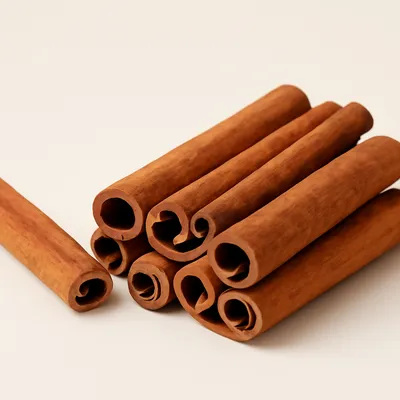
Stir in the ground almonds, sugar, vinegar and a pinch of cinnamon.
- 520 min
Pour in the hot vegetable broth and simmer gently for 20 minutes to marry the flavours.
Watch outSimmer the almonds and broth gently twenty minutes so the ground nuts thicken the soup and the flavors marry — a hard boil can make it grainy.
- 65 min
Toast or dry the stale bread and set a slice in each bowl.
- 73 min
Ladle the soup over the bread, drizzle with olive oil and, if liked, top with grated pecorino.


