A sweet-and-sour rabbit from the Iblei hills of south-eastern Sicily, and one of the most refined dishes of Syracusan cooking. Rabbit is jointed, floured and browned, then stewed slowly with celery, green olives and capers before being finished with honey and white-wine vinegar for its defining agrodolce edge. Almost always made a day ahead so the flavours settle, it is served cool or at room temperature as a Sunday and holiday dish, brought out for family gatherings across the Siracusano, Ragusano and Agrigentino.
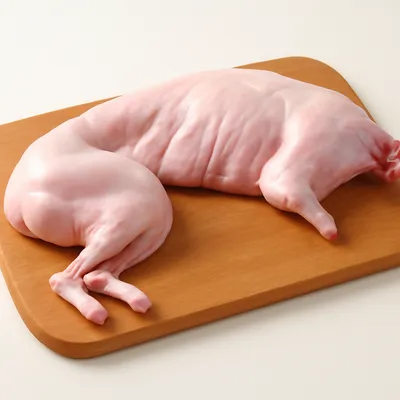
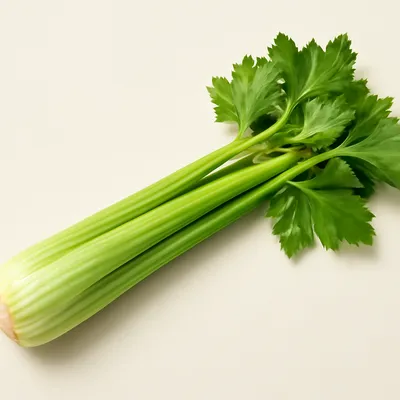

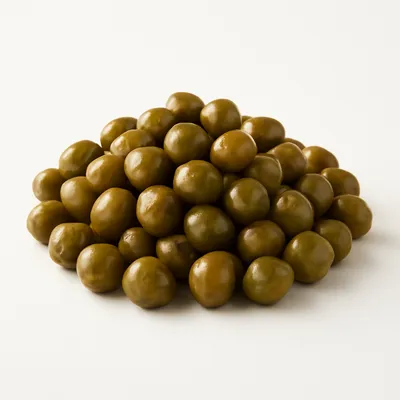

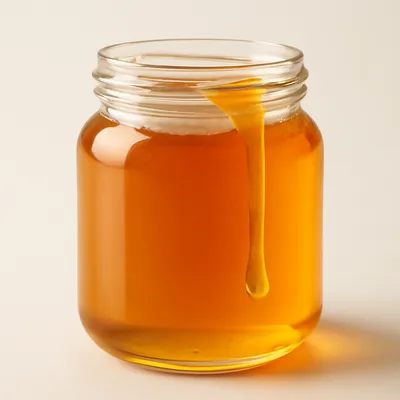
The dish belongs to the age of the Sicilian Baroque, when the agrodolce so typical of Syracusan cooking was at its most elaborate. Its name comes from the dialect verb stimpiriari, to season well; a second reading ties it to the vinegar once used to stemperare, to temper, the strong taste of game. Long a peasant dish reserved for feast days and family gatherings rather than everyday eating, it spread from the Siracusano across the Ragusano and Agrigentino, where in the Ragusa country it is also known as cunigghiu a pattuisa, scented with mint, sage, rosemary and bay. Beyond Sicily the same preparation travels simply as coniglio in agrodolce.
Tender, lean rabbit in a glossy sauce that plays sweet against sharp: honey and vinegar up front, the briny bite of olives and capers behind, celery and bay running underneath. Eaten cool, the flavours are rounded and deep rather than hot and immediate, the meat moist and well seasoned right to the bone.
Rabbit is very lean, with little fat to keep it moist, so the method guards against dryness at every turn. A light flour coat browns in the pan through the Maillard reaction, sealing the surface and later thickening the sauce as its starch gelatinises. Gentle stewing, never fierce heat, keeps the muscle fibres from tightening and squeezing out water. The agrodolce works as a balance of opposites: acetic acid from the vinegar reads as sour on the tongue while the sugars of honey read as sweet, each masking the other's excess so neither dominates. Vinegar also mildly tenderises and, as a preservative, is why the dish keeps and even improves overnight, its sharp volatile edge mellowing while salt from the olives and capers and aromatic compounds from celery and bay diffuse evenly through the meat.
Variations
The sweetener varies: white sugar in the plainest versions, honey or plumped raisins where a deeper agrodolce is wanted. The richer Syracusan Baroque version builds in carrots, potatoes, cherry tomatoes, peppers and onion, the rabbit first steeped in vinegar and bay. Cooks add citrus zest, pine nuts or a little tomato as they please, and the dish may be finished in the pan or the oven. Almost everyone agrees on one point: make it the day before, and serve it cool.
On the Palate
Where Coniglio alla Stimpirata sits in the Italian flavor cloud
Ingredients
Serves 4


How it's made
8 steps · 25 min
- 160 min
Steep the jointed rabbit in white-wine vinegar with bay leaves and a spoon of honey for about an hour.
- 210 min
Drain and pat dry, then dust the pieces lightly all over with flour.
- 315 min
Brown the floured rabbit in extra-virgin olive oil until golden on every side, then lift out.
Watch outBrown the floured rabbit golden on every side — the flour crust seals the lean meat and later thickens the sauce; skip it and it dries out.
- 48 min
Soften the chopped celery and onion in the same pan.
- 540 min
Return the rabbit, add the green olives and drained capers, pour in a little water and stew gently, covered.
- 68 min
A few minutes before the end, stir in the honey and a good splash of vinegar and let the agrodolce sauce reduce.
Watch outStir in the honey and vinegar near the end and let it reduce just enough — the agrodolce should taste balanced, neither sharply sour nor cloying.
- 73 min
Check the salt and scatter over torn mint or parsley.
- 8120 min
Cool and rest, ideally until the next day, then serve cool or at room temperature.
Watch outRest it, ideally to the next day, and serve cool — the flavors settle and marry; eaten hot straight off it tastes raw and sharp.

