
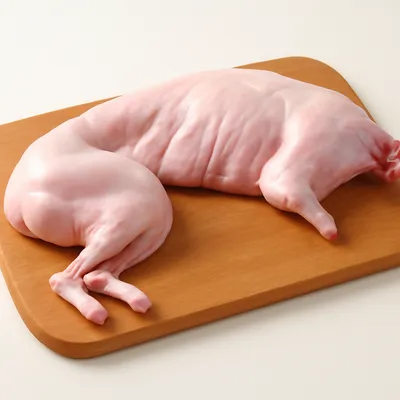
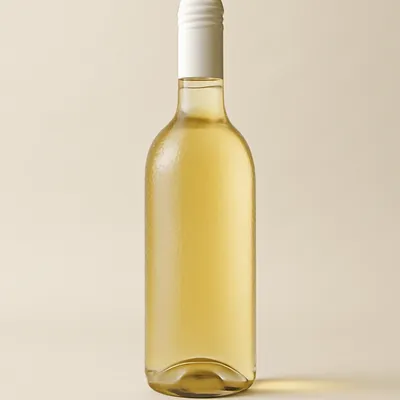

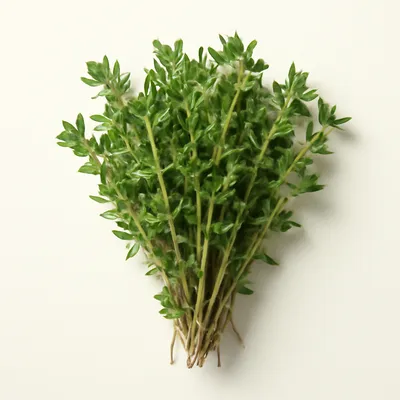


Coniglio alla Ligure (sometimes coniglio in umido or coniglio sanremasco) is the iconic Sunday-lunch meat dish of the Ligurian interior, especially the Val Nervia and the valleys behind Imperia. Rabbit was the most common farm-raised meat in the rocky terraced hills where larger livestock couldn't graze; combined with the local Taggiasca olives (small, dark, intensely flavored DOP olives unique to western Liguria), pine nuts from the maritime pine forests, and Pigato or Vermentino wine, the dish is a complete distillation of the Ligurian terroir. Each ingredient is hyper-local — even today, Ligurian-grown rabbit is preferred over imports. The dish is rarely found outside Liguria because the right olives are hard to source.
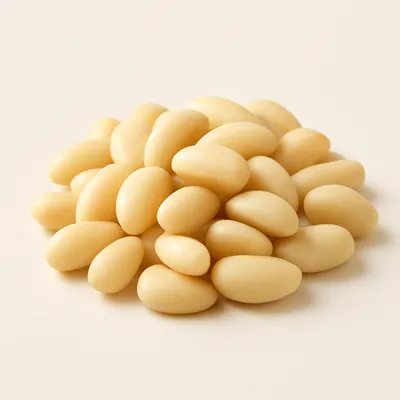
Rabbit cooked properly tastes like a leaner, more delicate chicken — but with deeper minerality and a slight game note. The Taggiasca olives are the signature: tiny, deep-purple, and intensely flavored, they punch above their size and don't disappear into the sauce. The pine nuts add fatty-sweet pops; The sauce is a brown-amber glaze, glossy, fragrant with rosemary and white wine, slightly thickened by long cooking. Eat with a wedge of polenta to soak up sauce. This is the Ligurian inland in a single forkful — restrained, herb-perfumed, sea-and-mountain.
Marinating in wine before cooking serves three purposes: the acid tenderizes the lean rabbit meat (essential — overcooked rabbit is tough and dry), the wine infuses aromatic compounds into the meat fibers, and the herbs deposit volatile oils that survive cooking. Taggiasca olives are uniquely flavored because they're cured in brine (not lye like California olives), preserving their natural fruit-vegetal taste; this brining means they contribute flavor to the sauce without dominating. The slow 60-min braise breaks down rabbit's natural connective tissue without overcooking the lean muscle fibers — the trick of all good rabbit cookery.
Variations
Imperia canonical with Pigato + Taggiasca + rosemary + pine nuts; Val Nervia inland variant adds wild mushrooms (porcini); Genoese coastal version sometimes adds a splash of grappa at the end (controversial); modern Riviera restaurants serve rabbit alongside ravioli al tocco (rabbit ragù-stuffed pasta); a chicken substitute is possible but loses the dish's identity; commercial frozen Ligurian rabbit is acceptable in a pinch; the dish is a Sunday meal — never weekday — because of the marinating time required.
On the Palate
Where Coniglio alla Ligure sits in the Italian flavor cloud
Ingredients
Serves 4




How it's made
8 steps · 45 min active + 1 hour 15 min waiting
- 110 min
Have a butcher cut 1.6kg whole rabbit into 8-10 pieces (4 legs, saddle in 2-3 pieces, ribs, shoulders). Rinse pieces under cold water; pat dry.
- 262 min
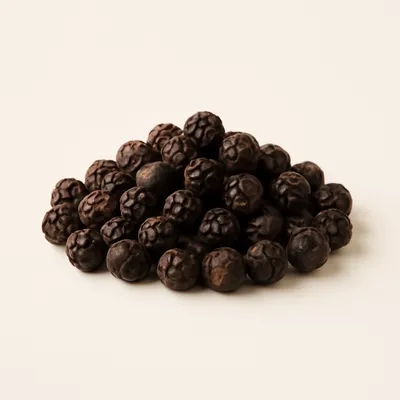
Marinate: in a large bowl, combine rabbit + 1 cup dry white wine (Pigato or Vermentino) + 4 sprigs rosemary + 1 sprig thyme + 6 crushed garlic cloves + 1 bay leaf + 1 tsp black pepper. Cover; refrigerate 1 hour minimum (overnight better).
Watch outGive the rabbit a good long soak in the wine and herbs — the acid is what keeps this lean meat from cooking up tough and dry.
- 35 min
Remove rabbit; pat dry. Reserve marinade (strain out herbs and garlic, keep liquid).
- 423 min
In a heavy braising pot, warm 4 tbsp olive oil over medium-high heat. Brown rabbit pieces in batches, 5 min per batch, getting deep golden color on all sides. Remove to a plate.
Watch outBrown the pieces in unhurried batches to a deep gold on every side — crowd the pot and they steam pale, losing the base flavor of the braise.
- 58 min
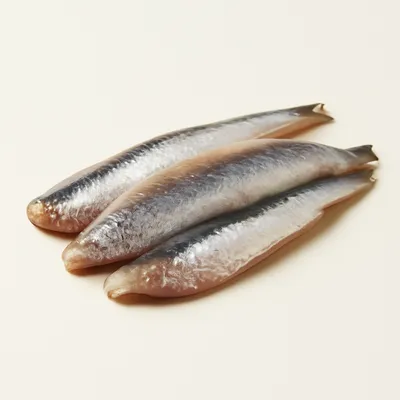
Lower heat to medium. Add 1 finely diced onion + 4 fresh minced garlic cloves to the pot; sauté 6 min. Add 2 sprigs rosemary + 1 sprig thyme + 1 bay leaf + 1 chopped salt-packed anchovy (rinsed first).
- 68 min
Return rabbit to pot. Add the reserved marinade + 100ml additional white wine. Bring to a simmer; reduce 5 min.
- 765 min
Add 200ml light chicken broth or water + 1 tbsp tomato paste + 1 tsp salt + 100g pitted Taggiasca olives + 2 tbsp pine nuts. Cover; reduce heat to low; braise 60 min until rabbit is fork-tender and sauce is glossy and slightly reduced.
Watch outBraise low until a fork slips into the meat and the sauce turns glossy and just-thickened — rush the heat and the lean fibers seize up dry.
- 88 min
Off heat. Sprinkle 2 tbsp chopped walnuts + 1 tbsp chopped parsley over top. Discard bay leaf. Rest 5 min. Serve rabbit with the olive-pine-nut sauce on top, on warm plates, with polenta or grilled bread. Pair with the same Pigato.
Archive tool suggestions — not reviewed
These legacy suggestions have not been evidence-reviewed and are not presented as required tools.


