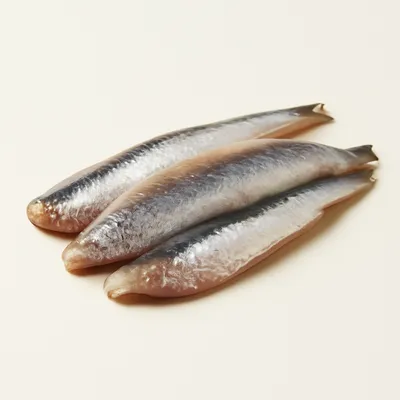
Small cured fish packed with glutamate; dissolves into sauces to add invisible umami depth.
Where it comes from
A staple in Mediterranean cuisine, anchovies have been harvested since ancient times, often associated with Italian and Spanish dishes. Their use dates back to antiquity, where they were preserved in salt and used to enhance flavors.
In the kitchen
Anchovies are often used as a base for sauces like puttanesca or Caesar dressing, where they dissolve into the dish, imparting a deep, savory flavor without being identifiable as fish.
Across cuisines
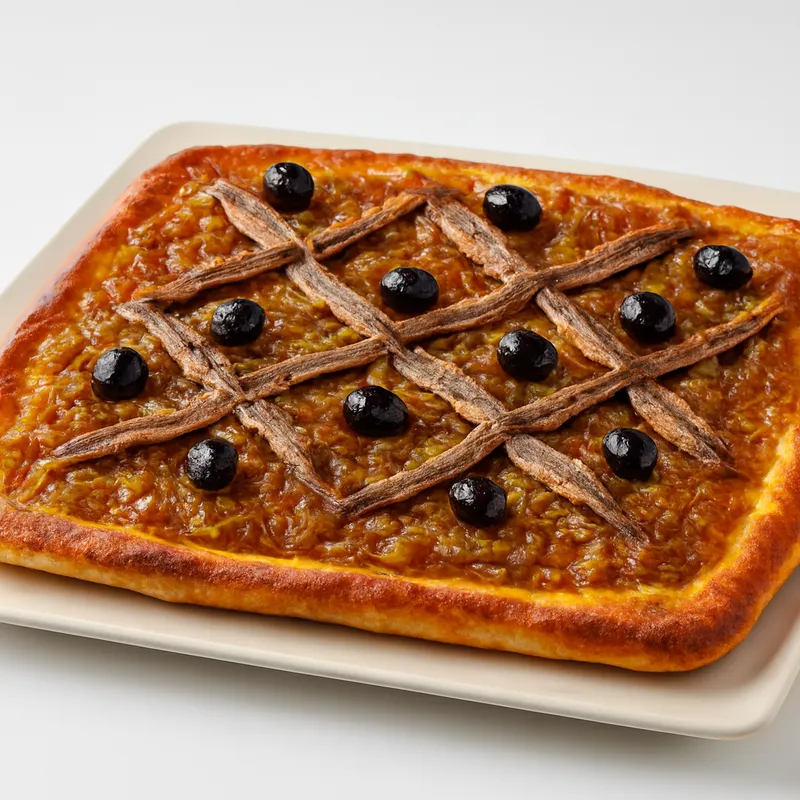
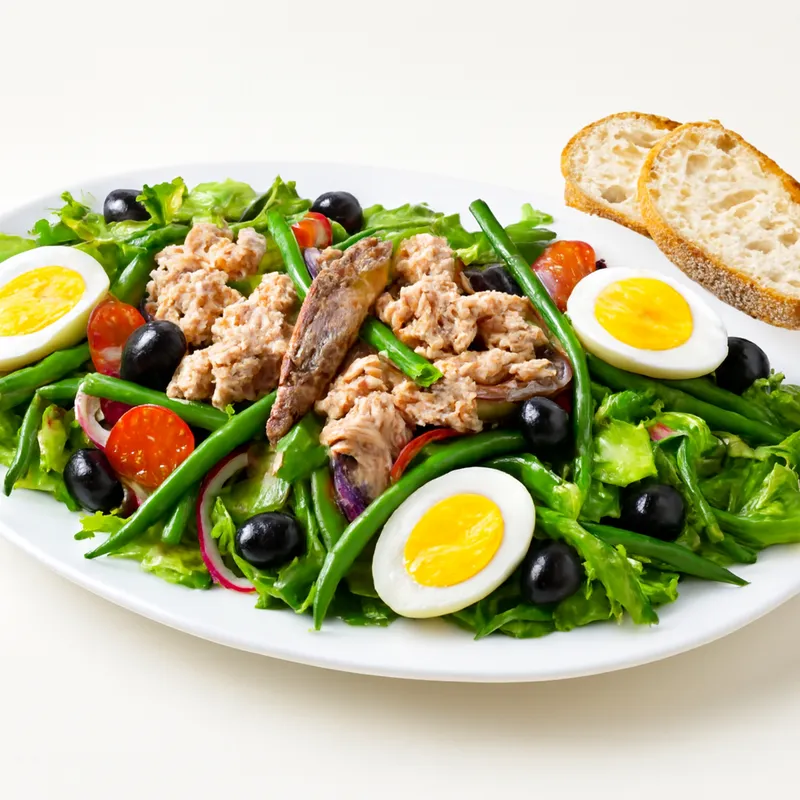
The invisible spine of Provençal cooking. Crushed into anchoïade with garlic and olive oil as a raw-vegetable dip; pounded into tapenade with capers and olives; layered onto pissaladière (no tomato, just slow onion). Niçoise salad demands them whole, brine-cured, never marinated.
Sicilian pasta con le sarde drops anchovies into the sauce alongside fresh sardines, wild fennel, and pine nuts — the cured fish backs up the fresh fish's umami. Across the island, anchovies are also dissolved into breadcrumb pangrattato to top pasta where cheese was historically too expensive.
Piedmontese bagna cauda is the dish anchovy was made for: salted fillets melted into butter, olive oil, and garlic in an earthenware pot, kept warm at the table for dipping winter vegetables. Vitello tonnato thins them into the tuna-mayonnaise blanket. Salsa verde italiana puts them with parsley, capers, and vinegar.
Notable varieties
Hand-filleted, packed in olive oil after 6–12 months of salt curing. Plump, rosy, faintly sweet; the only anchovy used straight on pintxos. Genuinely premium-priced.
Whole fish layered with coarse salt in glass jars or wooden tubs; rinsed and filleted by the cook before use. Stronger, brinier, less refined — the working base for pasta sauces.
Amber liquid drained from anchovies aged with salt — the direct descendant of Roman garum. A few drops finish spaghetti with garlic and olive oil; functionally Italy's fish sauce.
Fresh anchovies butterflied and cured in vinegar — white, not brown. A tapa, not a pantry staple; served with garlic and parsley, eaten cold.
Nutrition (per 100g)
AI-estimated; model and run unavailable.
Pairs well with