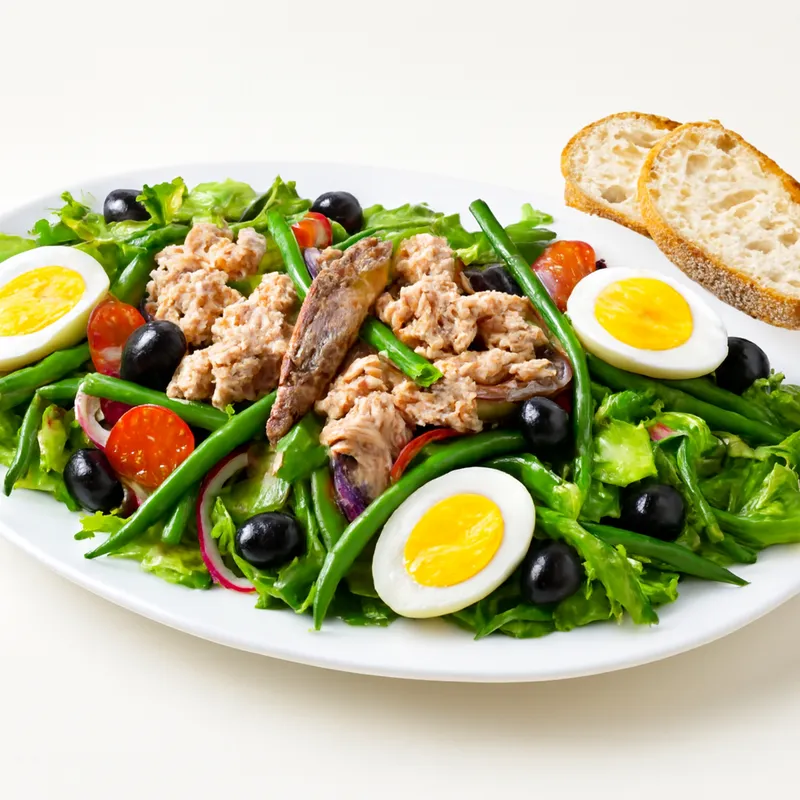
A round Niçois roll split and packed with the components of a salade niçoise — tuna, hard-boiled egg, anchovies, tomato, olives, peppers, olive oil — pressed and rested 2 hours so the bread soaks up the dressing.





Pan bagnat is street food from Nice's old port — the name in Niçois (the local Occitan dialect) literally means 'bathed bread'. Originally it was a poor fisherman's lunch: yesterday's stale round loaf, sliced open, rubbed with the oil and tomato pulp left from making salad, eaten at the dock. By the early 20th century it had become Nice's iconic beach food, sold from carts along the Promenade des Anglais. The Comité de Défense du Pan Bagnat in Nice publishes a strict charter: no lettuce, no mayonnaise, no tinned vegetables, no baguette. Cooked tuna is also forbidden — only good oil-cured tinned tuna is canonical.
Niçois for «bathed bread» — yesterday's loaf rubbed with leftover salade niçoise oil. The Comité de Défense du Pan Bagnat bans lettuce, mayo, baguette, and cooked tuna; the 2-hour press is the load-bearing step.
Looks like a hand-sized round, slightly squashed, oil seeping at the seam. First bite: bread that's no longer bread — saturated with tomato juice and olive oil, halfway to a tomato sponge. Then anchovy salt, then tuna's oily comfort, then a snap of raw green pepper, then the egg's softness. Black olives appear unexpectedly. Cool, never cold; wet, never sloppy. The lesson is patience: a freshly-built pan bagnat tastes like a salad in a roll, but a 2-hour-rested one tastes like one whole thing.
The 2-hour press is the load-bearing technique. A freshly built pan bagnat has discrete components on bread; a rested one has bread-as-medium where the tomato juice, olive oil, anchovy oil and tuna oil have all migrated into the crumb and rebalanced. Pressing accelerates this — without weight, the soak only happens on the cut faces. Use a roll with closed crumb (Niçois bread, ciabatta) — open-crumbed bread (sourdough, baguette) absorbs unevenly and tears apart. Resting longer than 4 hours turns the bread to mush; 2 hours is the sweet spot.
Variations
Niçois canonical (oil-cured tuna, anchovy, raw pepper, egg, olives, no lettuce); inland Provençal version adds artichoke; Corsican brocciu-and-anchovy variant on pain de campagne.
On the Palate
Where Pan Bagnat sits in the French flavor cloud
Ingredients
Serves 4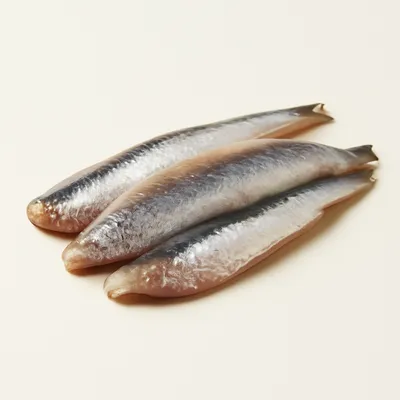




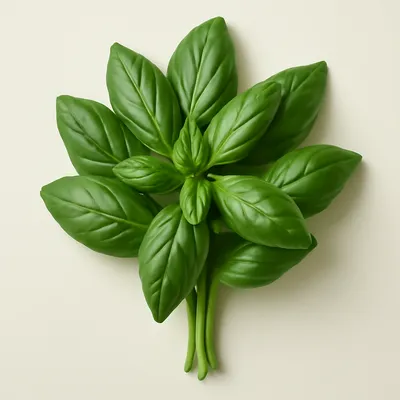
How it's made
5 steps · 20 min active + 2 hours 10 min waiting
- 13 min
Buy 4 round 12cm Niçois pan-bagnat rolls — slightly soft inside, firm crust, never baguette. If unavailable, use round ciabatta. Split horizontally with a serrated knife but do NOT pull apart yet.
- 24 min
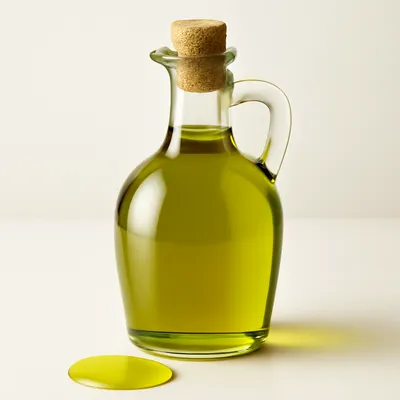
Mix dressing: 6 tbsp extra-virgin olive oil, 2 tbsp red wine vinegar, 1 minced garlic clove, salt, pepper. Brush both cut faces of each roll generously with dressing — about 2 tbsp per roll. The bread should look glossy.
Watch outBrush both cut faces until they look glossy and soaked — this dressing is the whole point; a dry face means the crumb won't drink in the juices during the press.
- 38 min
Layer on the bottom half: 4 thin slices of vine tomato, salt and pepper, 6 thin slices of small green pepper (poivron de Nice — never roasted), 4 oil-cured anchovy fillets, 80g best canned tuna in olive oil (drained and broken in chunks), 2 sliced hard-boiled eggs, 8 black Niçoise olives (pitted), 4 thin radish slices, a few small basil leaves.
- 4120 min
Close the sandwich. Wrap each tightly in cling film. Press under a heavy chopping board with a 1kg weight (a tin or two will do). Refrigerate 2 hours — the bread soaks up the oil-tomato juice and integrates.
Watch outPress under a real weight and give it the full two hours — the crumb should go from dry bread to juice-soaked medium; skip the weight and only the cut faces soak.
- 51 min
Unwrap and serve at cool room temperature. Eat with both hands at the beach, on a hike, or at a picnic. Cut neat in half if needed but expect mess — pan bagnat means 'wet bread' in Niçois and is supposed to drip.
Archive tool suggestions — not reviewed
These legacy suggestions have not been evidence-reviewed and are not presented as required tools.