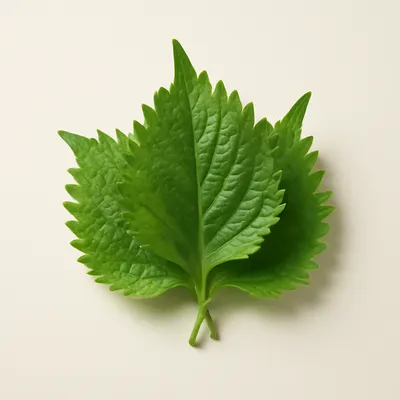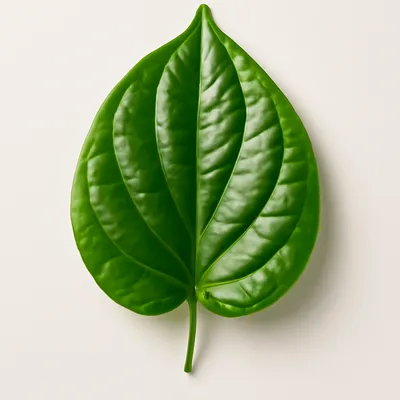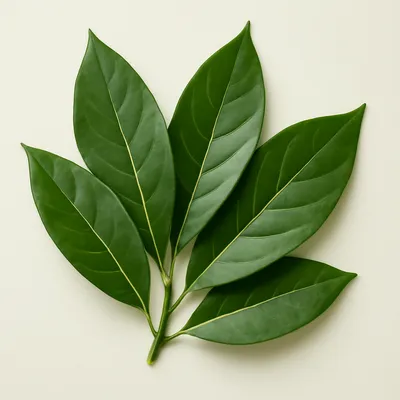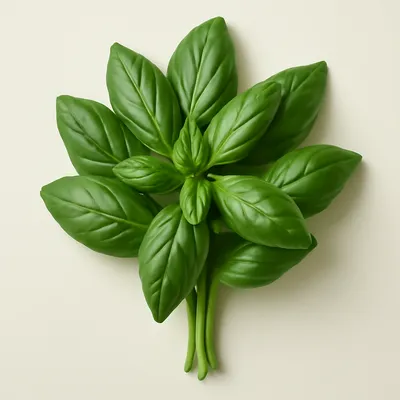
Aromatic annual herb essential to Italian pesto and Thai cuisine; sweet with clove-like notes.
Where it comes from
Basil has deep roots in both Italian and Thai culinary traditions, often associated with sacred and medicinal uses, showcasing its versatility and cultural significance.
In the kitchen
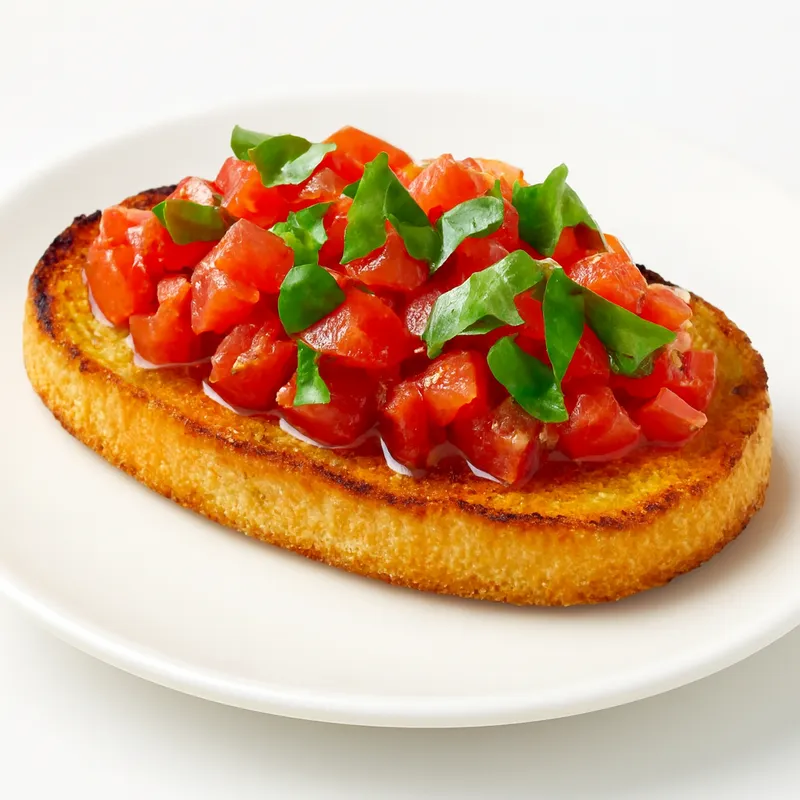
Used fresh or dried, basil infuses dishes with a vibrant aroma and bright flavor, ideal for pesto, pasta, and as a finishing touch on pizzas.
Across cuisines
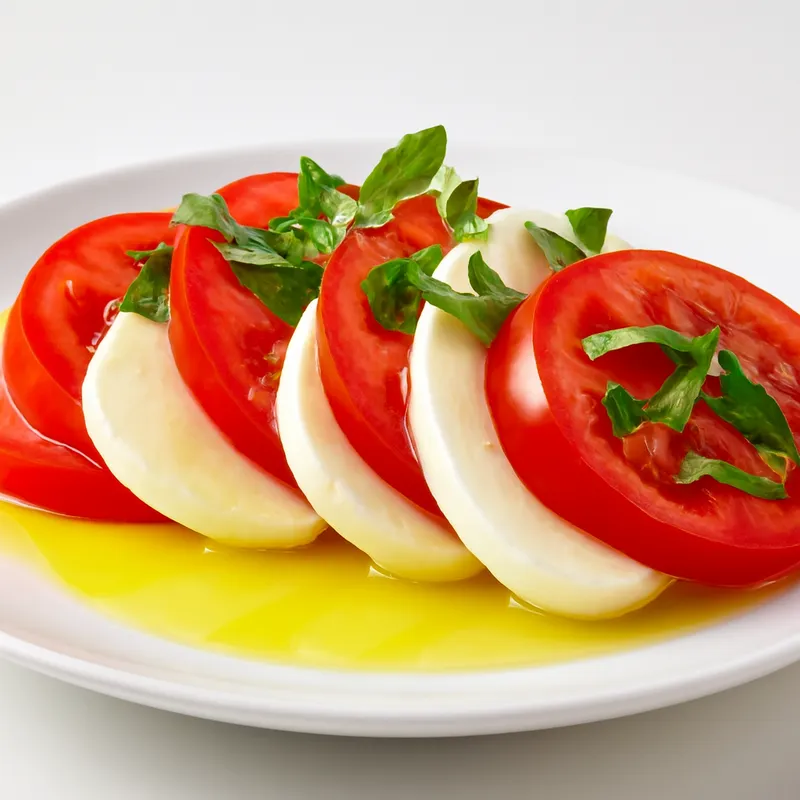
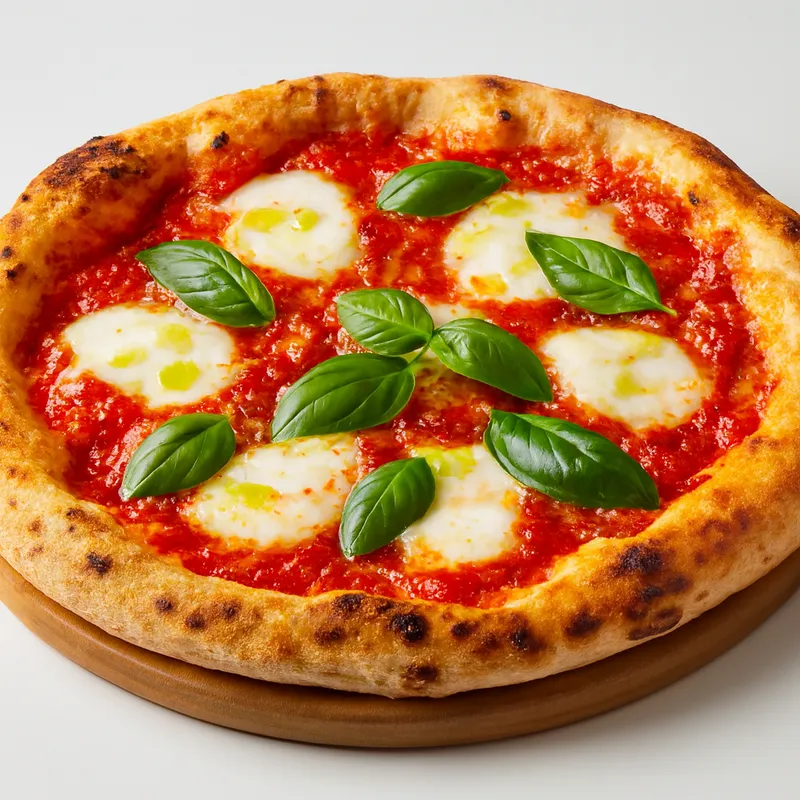
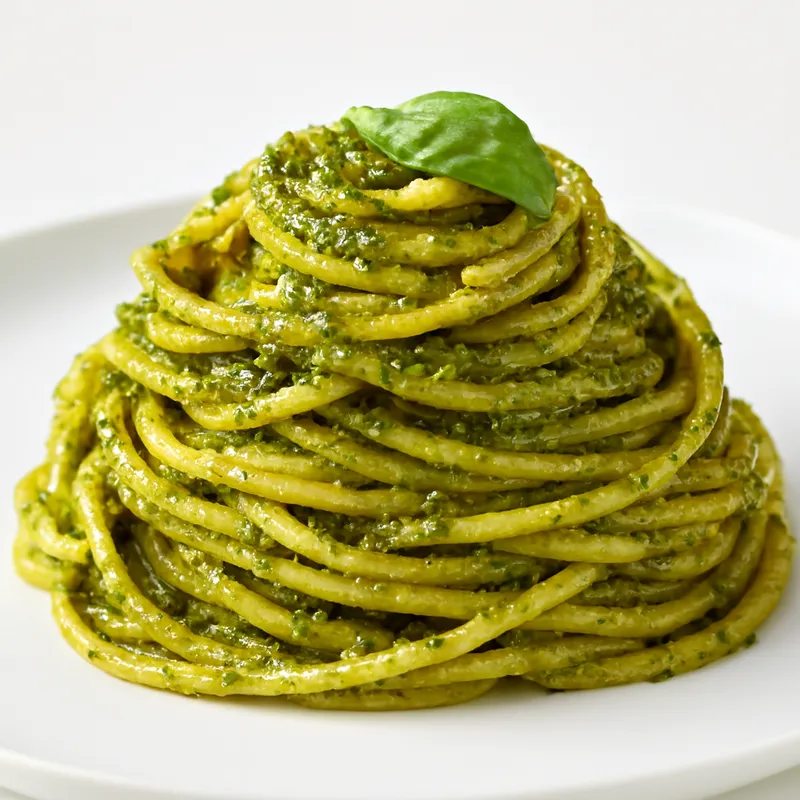
Italian cuisine often uses fresh basil leaves as a finishing touch. It is added raw to dishes like Caprese Salad and Margherita Pizza, where its aromatic and slightly sweet flavor complements tomatoes and mozzarella. Basil is also a key ingredient in pesto, where it is blended with pine nuts, garlic, and olive oil to create a vibrant sauce.
In Indonesian cuisine, lemon basil (kemangi) is frequently used for its distinct citrusy aroma. It is often added to dishes like Pepes Ikan and Nasi Timbel towards the end of cooking to preserve its fragrance. The herb enhances the flavor profile by adding a fresh and tangy note that complements the rich and spicy elements of Indonesian dishes.
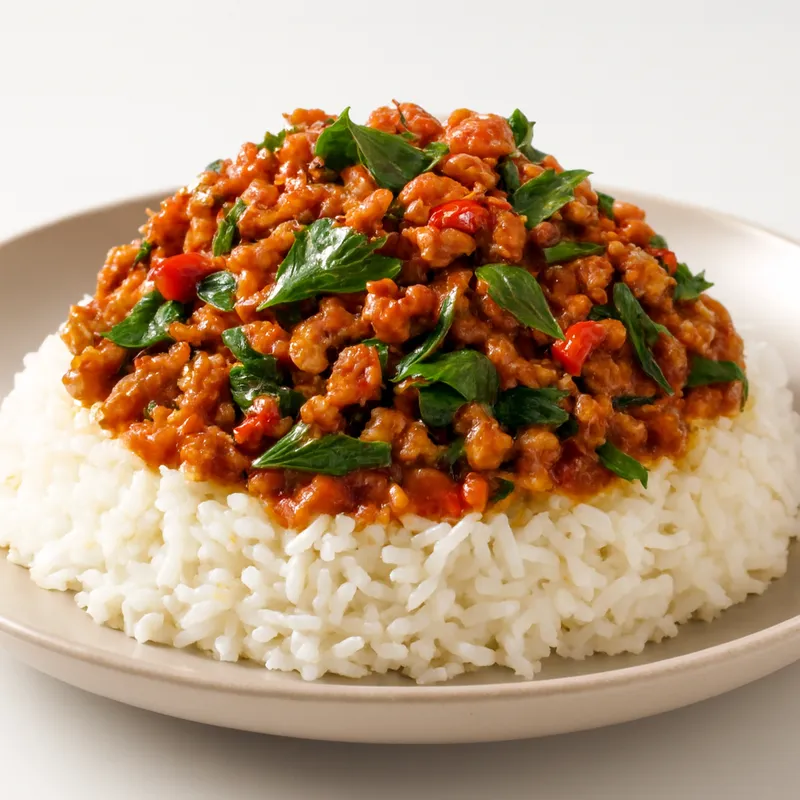
Thai cuisine prominently features Thai basil (bai horapa) for its anise-like flavor and peppery notes. It is used generously in stir-fried dishes like Thai Basil Chicken and Pad Krapao. The basil is typically added during cooking, infusing the dishes with its robust aroma and enhancing the spicy elements.
Nutrition (per 100g)
AI-estimated; model and run unavailable.
Pairs well with