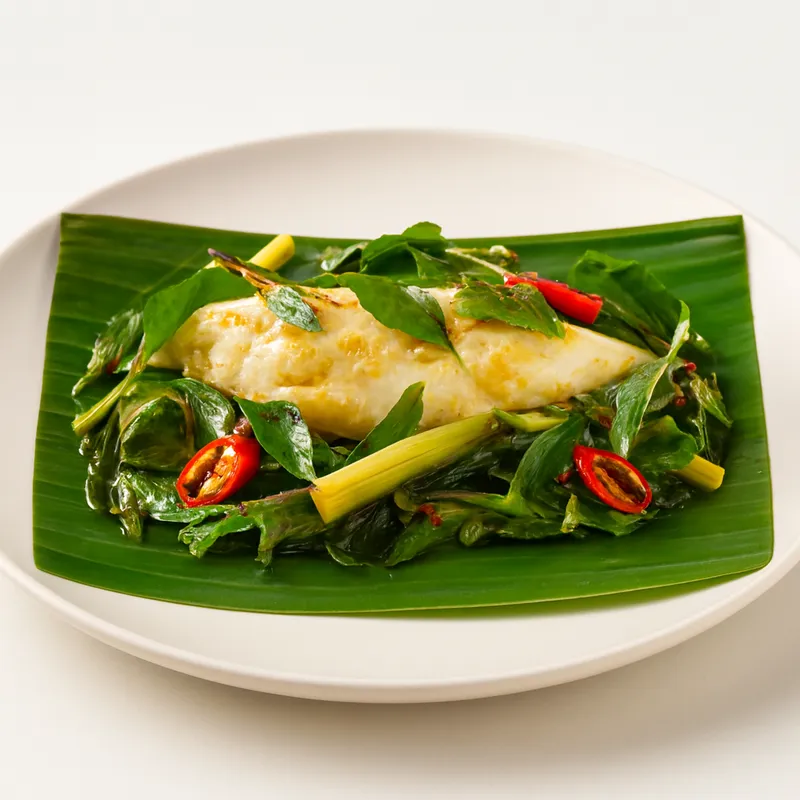
A fragrant, herb-infused fish dish, wrapped and steamed in banana leaves, capturing the essence of Sundanese culinary traditions.
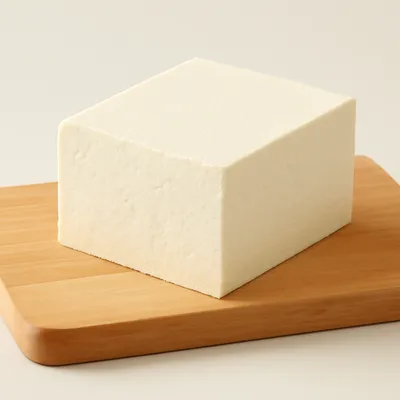
Pepes is a Sundanese cooking method, not one dish — the West Javanese leaf-wrap-and-steam technique applied to fish, chicken, tofu, mushrooms, even eel. Dates to pre-colonial village kitchens that lacked metal vessels: banana leaf was the pot. The fish version is the most common today and travels well as warung food.
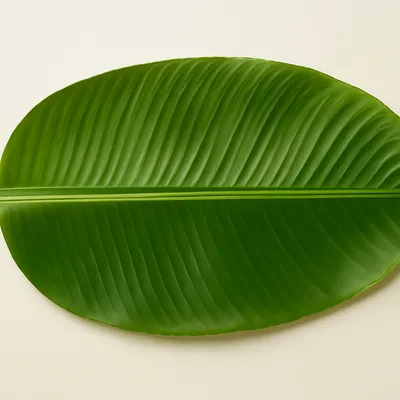
Pepes is a method, not a dish — West Javanese leaf-wrap-and-steam, predating metal cookware in village kitchens. The banana leaf isn't decoration: chlorophyll breakdown gives a green, tea-like aroma, and the brief grill at the end pushes leaf-char into the flesh.
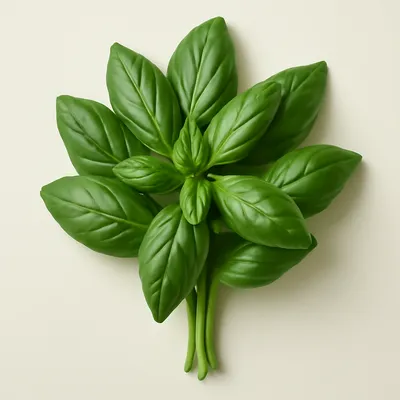
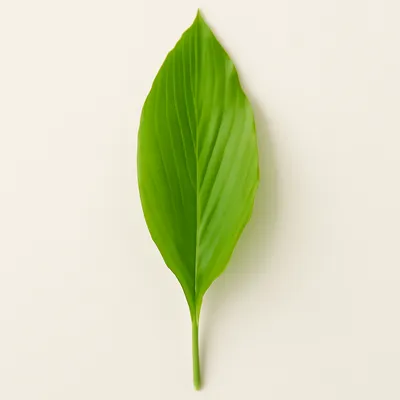
A banana-leaf parcel comes to the table charred at the edges; unwrap it and steam carries out lemongrass, turmeric leaf, kemangi (lemon basil), kaffir lime. Inside: fish — usually mackerel or tilapia — packed with a wet spice paste, steamed then briefly grilled in the leaf. The flesh is soft, almost custardy, and the paste has soaked into every flake.
Banana leaf isn't decoration — it seals in steam while imparting a green, tea-like aroma from chlorophyll breakdown; the brief grilling at the end chars the leaf and pushes that smoke into the fish. Wrap too loose and steam escapes (dry fish); wrap too tight and the leaf splits on the grill. Aluminum foil substitutes lose the entire flavor layer.
Variations
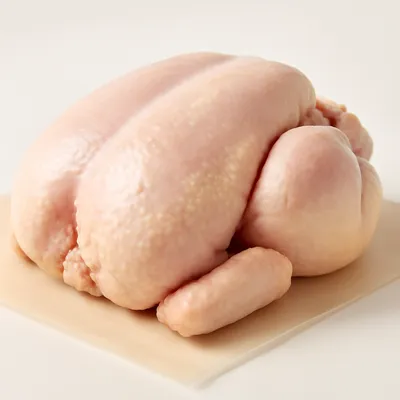
Pepes ikan mas (carp, the Bandung default); pepes ikan teri (anchovy, breakfast scale); pepes tahu and pepes jamur for vegetarian versions; pepes ayam swaps in chicken.
On the Palate
Where Pepes Ikan sits in the Indonesian flavor cloud
Ingredients










How it's made
5 steps · 1 hour 15 min
- 112 min
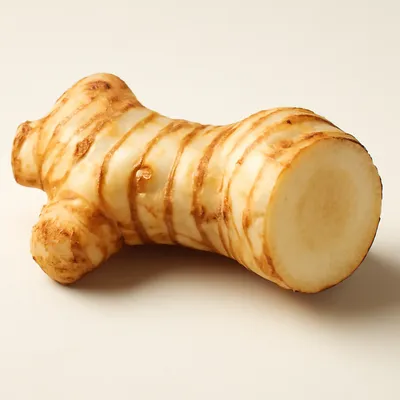
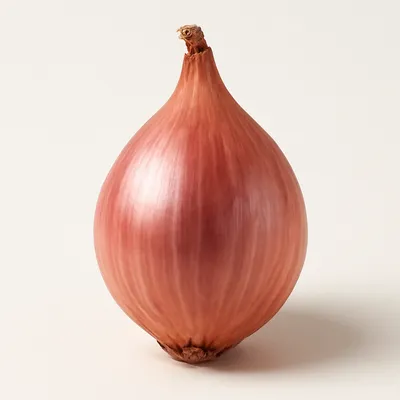
Blend shallots, garlic, turmeric, galangal, and lemongrass into a smooth bumbu.
Watch outPound or blend the shallots, garlic, turmeric, galangal and lemongrass into a truly smooth paste — any fibrous strands will read as raw in the finished fish.
- 212 min
Rub the bumbu onto the mackerel, ensuring it is well coated.
- 312 min
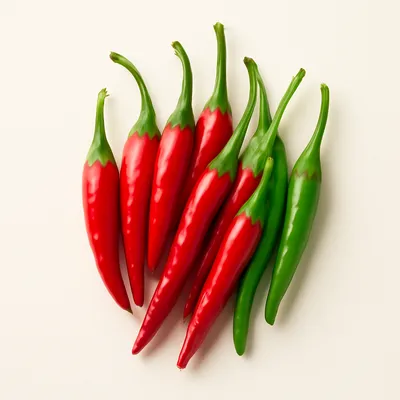
Place the fish on a banana leaf, adding slices of tomato, bird's eye chili, and fresh basil.
- 412 min
Wrap the banana leaf securely around the fish, folding tightly.
Watch outRoll the leaf around the fish so it hugs the flesh with no gaps, then fold the ends firmly — snug enough to hold steam, not so tight the leaf strains.
- 525 min
Steam the wrapped fish until fully cooked and fragrant.
Watch outIt's done when the parcel is fragrant and steam-plump and the fish flakes at a poke through the leaf; if you finish over coals, pull it once the leaf just chars and smells smoky.