Banana Leaf
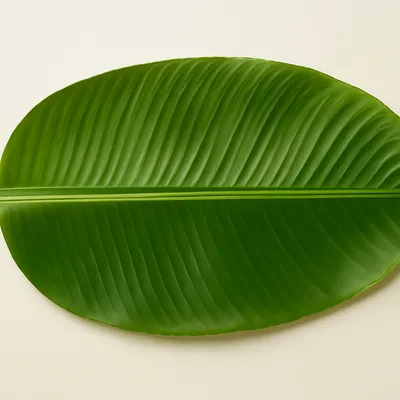
Banana leaves are large, flexible leaves used in cooking for wrapping food, imparting a subtle flavor.
Where it comes from
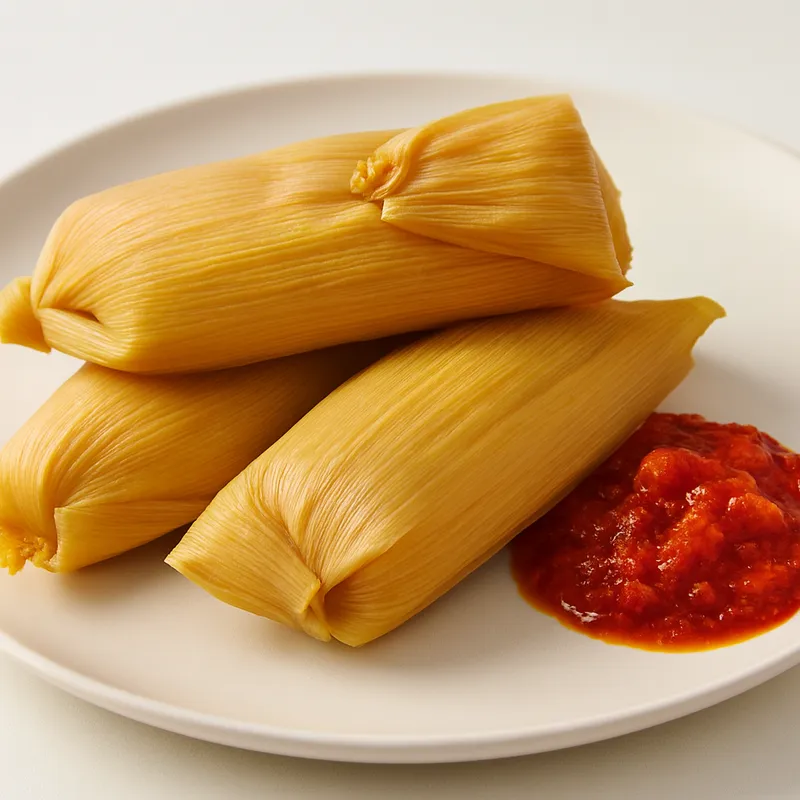
The broad leaf of the banana plant has served as a natural wrapper, plate and cooking vessel across tropical Asia, Africa and Latin America for millennia.
In the kitchen
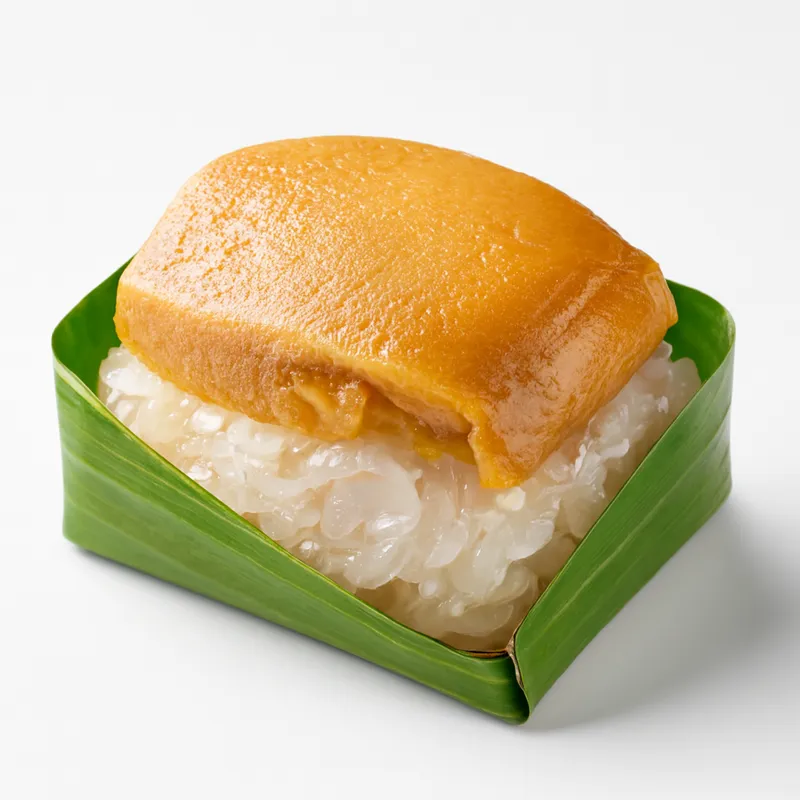
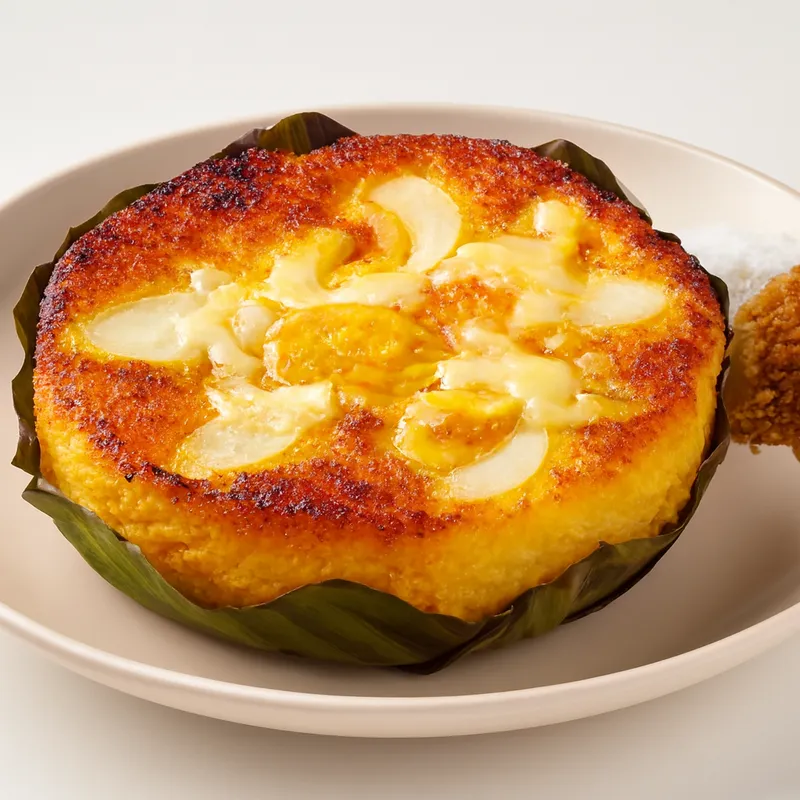
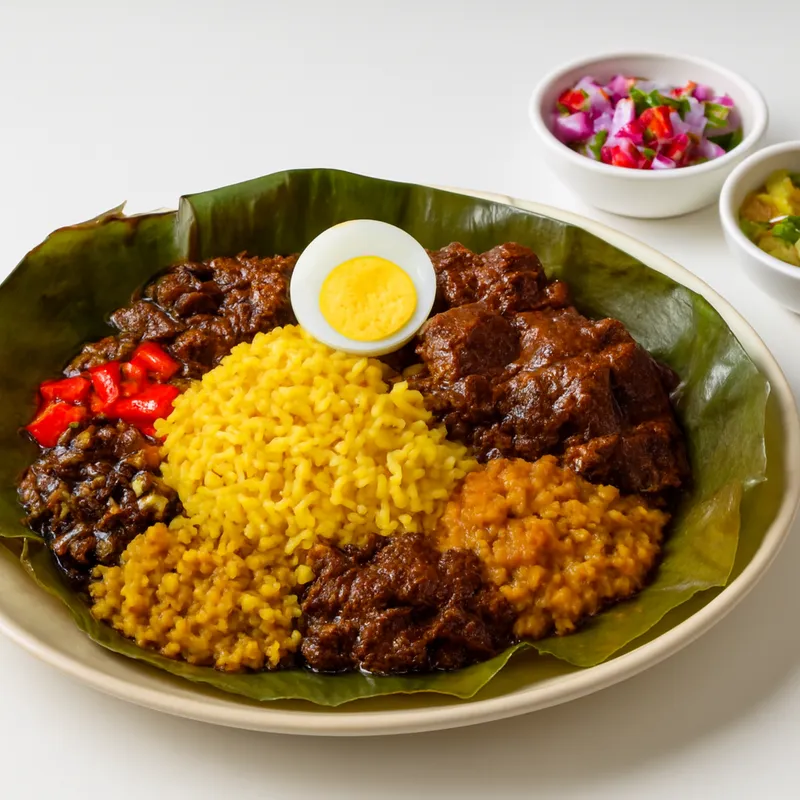
It steams and grills food in its own fragrant parcel, imparting a subtle grassy aroma to rice, fish and cakes.
Across cuisines
In Indonesian cuisine, banana leaves are primarily used as a wrapping for steaming. They impart a subtle aroma to dishes like Pepes Ikan, where fish is wrapped in banana leaves with spices and steamed. The leaves help retain moisture and infuse the dish with a mild, grassy fragrance. This technique is also employed in Nasi Timbel, where rice and accompaniments are wrapped and steamed together.
In Cambodian cuisine, banana leaves are commonly used as a steaming wrapper. Fish or meat is marinated and wrapped in banana leaves before being steamed, which imparts a subtle aroma and keeps the contents moist. This technique is essential for dishes like Amok Trey, where the leaves help to meld the flavors together.
Malaysian cuisine utilizes banana leaves for grilling, where they act as a barrier and flavor enhancer. In dishes like Otak-Otak, the banana leaves encase the spiced fish paste, protecting it from direct heat while infusing it with a unique aroma. Similarly, in Ikan Bakar, fish is grilled in banana leaves, which help to keep it moist and add a subtle leafy fragrance.
Nutrition (per 100g)
AI-estimated; model and run unavailable.