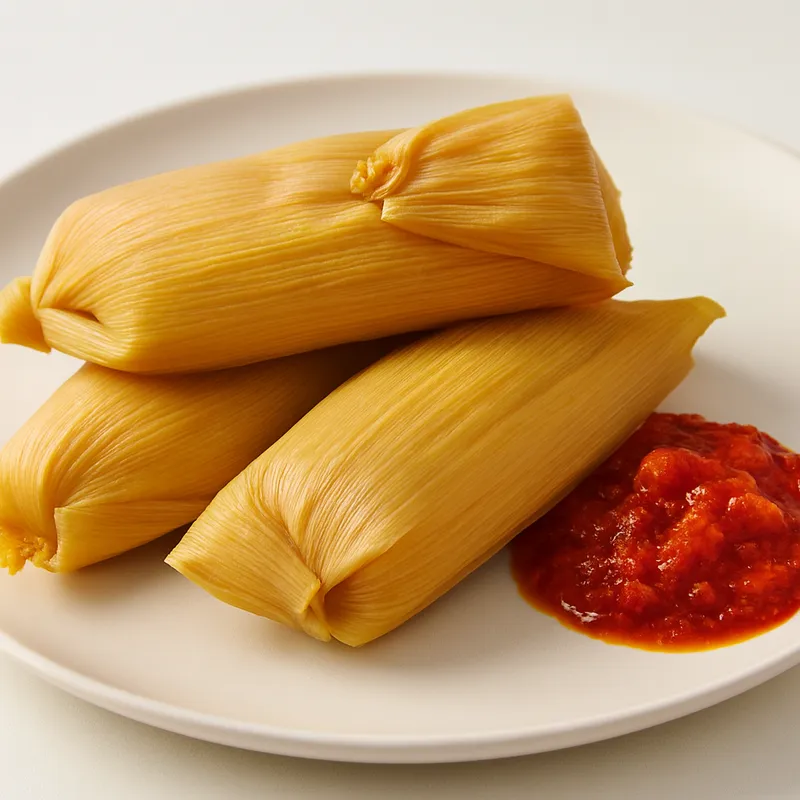
Mesoamerican staple of masa dough filled with meat or cheese, wrapped in corn husks and steamed.
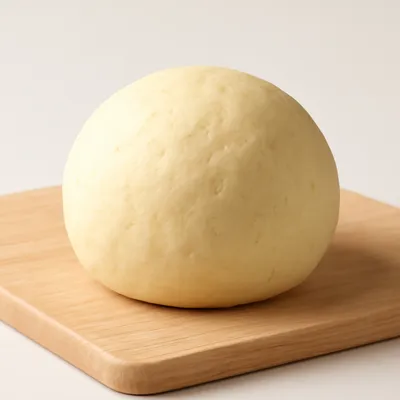


Mesoamerican, dating to at least 5000 BCE — among the earliest portable foods, made for warriors, hunters, and travelers. Aztec, Maya, and Olmec all left tamale records. The Spanish chronicler Sahagún listed dozens of varieties in 1500s Tenochtitlán. The dish predates pottery in some regions: the husk wrapper itself was the cooking vessel.
Pre-Columbian Mesoamerican portable food — corn masa wrapped in corn husk or banana leaf, steamed for hours. The ratio of lard to masa (the manteca proportion) is what makes them light or leaden.
A corn-husk packet, untied at the table. Inside, a soft brick of masa around a dab of filling — pork in red chili, chicken in green salsa, or rajas with cheese. The masa should peel off the husk clean, not stick. Steam comes up scented of corn and chili. Oaxacan versions swap the husk for banana leaf and the masa darker, blacker mole filling.
Masa for tamales must be whipped with lard or vegetable shortening until a teaspoon floats in water — that aerated fat is what gives the cooked tamale its tender, almost cake-like texture. Dense, gluey tamale means the masa wasn't beaten long enough. Steaming time runs 60–90 minutes; rushing leaves the center raw and gummy in the same way undercooked polenta is.
Variations
Mexican (corn husk, sweet or savory); Oaxacan (banana leaf, larger); Salvadoran (smaller, denser); Cuban (with pork in tomato-sofrito); Costa Rican (with rice and pork); Guatemalan paches use potato instead of masa.
On the Palate
Where Tamales sits in the Mexican flavor cloud
Beat the masa with lard until it's light and airy — a teaspoon should float in water — because that whipped-in fat is exactly what gives the steamed tamale its tender, cake-like crumb; under-beaten masa steams up dense and gluey.
Ingredients
How it's made
4 steps · 30 min active + 50 min waiting
- 110 min
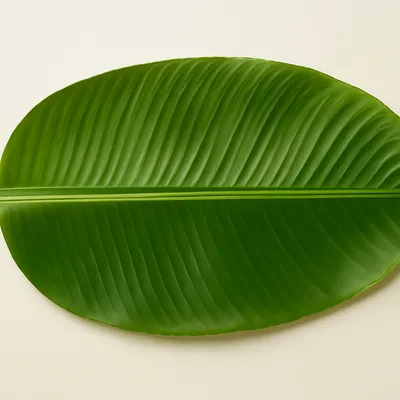
Soak the banana leaves in hot water until pliable, about 10 minutes. Meanwhile, prepare the masa by mixing it with water and salt until smooth and soft.
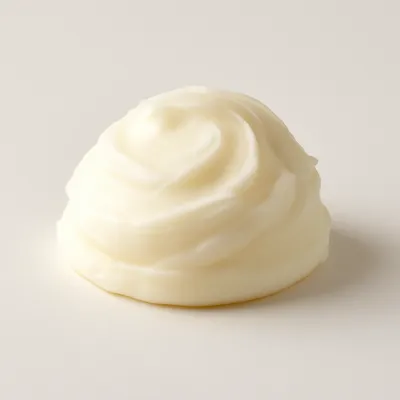
Watch outMix the masa until smooth and soft, not stiff — it should spread like thick frosting; too dry and it'll crack, too wet and it won't hold the filling.
- 210 min
Spread a thin layer of masa onto each banana leaf, leaving a border around the edges. Add your chosen filling, such as seasoned meat or vegetables, in the center.
Watch outSpread a thin even layer and leave a clear border all around, so the leaf can fold shut and seal without masa squeezing out.
- 35 min
Fold the sides of the banana leaf over the filling, then fold the ends to create a secure package. Tie with kitchen twine if necessary.
- 45 min
Steam the tamales in a large pot with a steamer insert, ensuring they are not touching the water, for about 1 hour or until the masa is firm and pulls away from the leaf easily.
Watch outIt's done when the masa has firmed up and peels away from the leaf easily — if it still sticks and smears, give it more time.
Archive tool suggestions — not reviewed
These legacy suggestions have not been evidence-reviewed and are not presented as required tools.