A pre-Hispanic preservation technique — staling and toasting tortillas extended their life past the few hours fresh masa keeps. The frying step came post-conquest with Spanish lard, and the topped restaurant version emerged in 19th-century Mexico City fondas. The word tostada simply means "toasted." Coastal Sinaloa and Nayarit favor seafood — tuna, shrimp, ceviche — over the central meat versions.
A way to use stale tortillas — fried flat until they shatter at first bite. The structural rule is that toppings must be wet enough to soften the shell as you eat, but not so wet that it collapses in your hand.
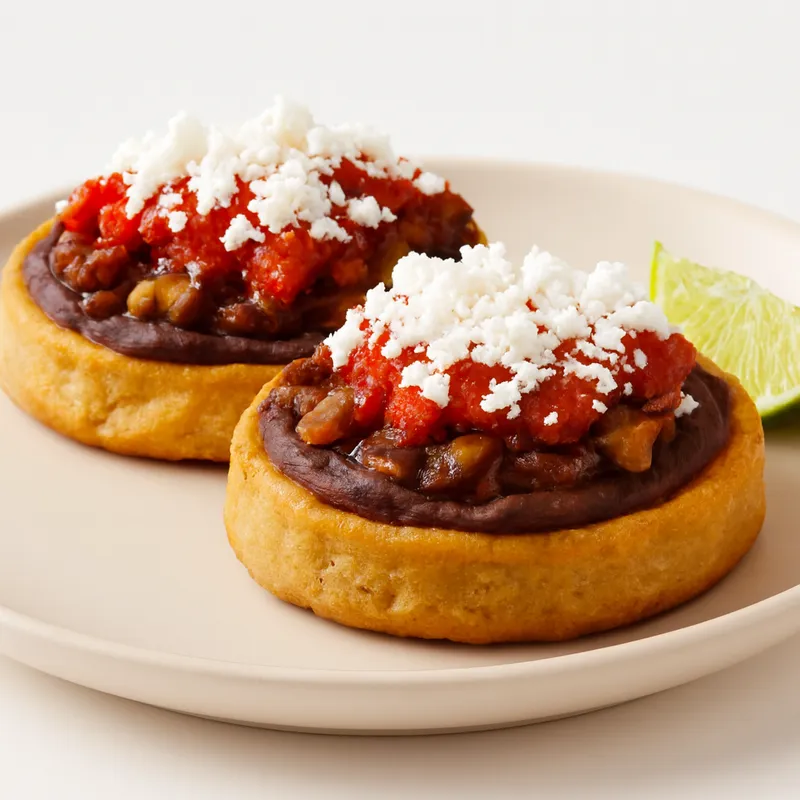
A flat fried tortilla, brittle as a cracker, loaded with a layer of refried beans, then shredded chicken or tinga, lettuce, cotija, crema, slices of avocado, salsa on top. Eaten in two hands, fast, before the bottom softens. Half-collapse on the third bite is normal; full collapse before the second bite means too much wet topping.
Bean layer is structural, not flavor: it's the waterproofing between the wet topping and the brittle tortilla. Order matters — beans must go on first to seal the surface, or the salsa juice soaks straight through and the tortilla flexes into a soggy disc. Skipping or thinning the bean layer is why home tostadas collapse before they reach the mouth.
Variations
Tostadas de tinga (chipotle-shredded chicken); de pata (pickled pig's foot, Jalisco); de ceviche (Sinaloa-style with shrimp and lime); de frijol (refried bean, the everyday version).
On the Palate
Where Tostadas sits in the Mexican flavor cloud
Seal each tostada with a thick, well-mashed bean layer before anything wet touches it — the refried beans are the waterproofing that keeps the fried shell crisp under the salsa and crema.
Ingredients






How it's made
5 steps · 46 min
- 19 min
Heat 3 tablespoons of vegetable oil in a large skillet over medium-high heat. Add the chorizo, breaking it up with a spoon, and cook until it's browned and cooked through, about 7 to 9 minutes. Use a slotted spoon to transfer the chorizo to a bowl, leaving the oil in the pan.
- 211 min
Reduce the heat to medium and add the chopped garlic and half of the onion to the skillet. Stir frequently until the onion is tender and just starting to brown, about 4 to 6 minutes. Add the drained beans and chicken broth, stirring occasionally and scraping the bottom of the pan, until the liquid reduces slightly, about 5 minutes.
- 35 min
Using a potato masher, smash the beans in the skillet until no whole beans remain and the mixture is thick and creamy. Taste and season with salt if needed, then remove from heat. Let the mixture cool slightly as it will thicken more while sitting.
Watch outMash until no whole beans remain and it's thick and spreadable, not soupy; it firms up more as it cools.
- 416 min
In a small skillet, heat 1 cup of vegetable oil over high heat. Test the oil by dipping the edge of a tortilla in it; it should bubble vigorously. Fry one tortilla at a time, turning once with tongs, until crispy and golden brown, about 1 minute per side. Drain on paper towels.
Watch outDip a tortilla edge first — it must bubble hard and fast; a sluggish sizzle means the oil's too cool and the shell will soak grease.
- 55 min
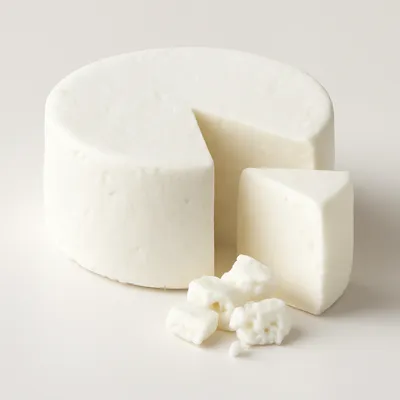
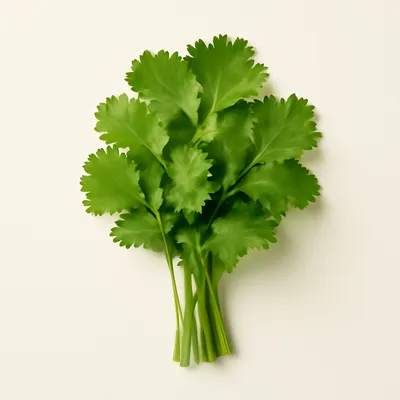
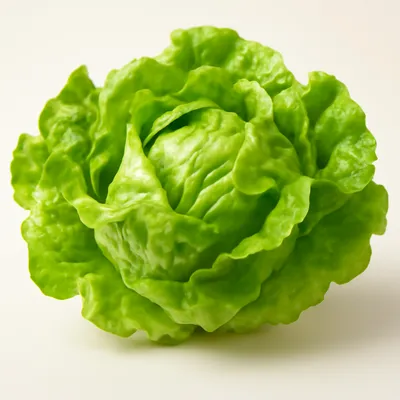
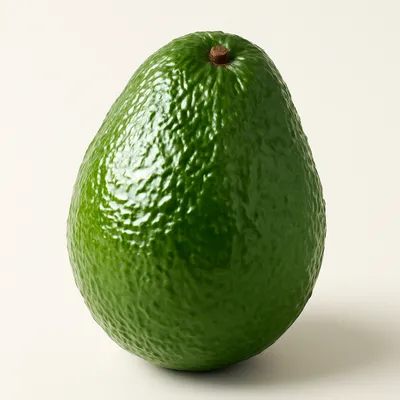
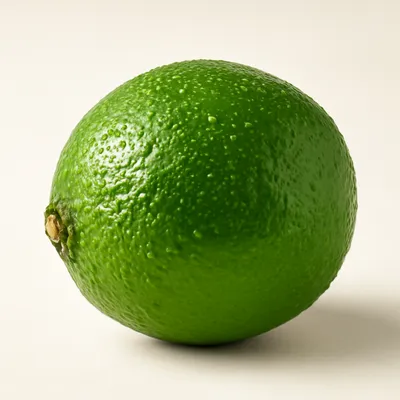
Reheat the chorizo if necessary, and warm the beans in the same skillet over medium heat. If the beans are too thick, stir in up to ¼ cup of water to thin them out. Spread about ⅓ cup of the refried beans over each tostada, then distribute the chorizo evenly on top. Garnish with queso fresco, cilantro, reserved onion, salsa, crema, lettuce, avocado, and lime as desired.
Watch outSpread the bean floor edge to edge and seal it before the wet toppings; a bare rim is where sogginess creeps in.
Archive tool suggestions — not reviewed
These legacy suggestions have not been evidence-reviewed and are not presented as required tools.
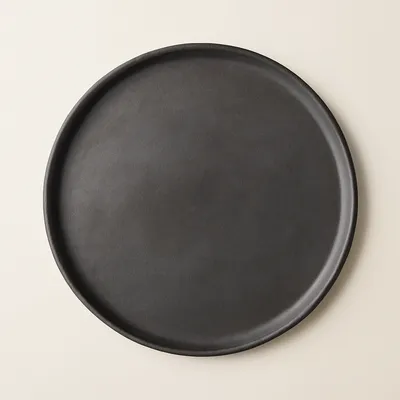
A flat round griddle of steel, cast iron, or unglazed clay, 30-50 cm across, the workhorse of the Mexican kitchen. It sits directly over a flame to toast tortillas (the puff happens in 30 seconds when the heat is right), char chiles for moles, blister tomatoes for salsas, and warm reheated leftovers. Clay comales (especially from Oaxaca) season with each use and impart a faint smoky tang that no metal version can fake.

A heavy, single-piece cast iron pan, 25-30 cm across, weighing 1.5-2.5 kg. Once preheated, the thick mass holds 230°C+ even when a cold steak hits the surface — that's the secret to a deep crust. A well-seasoned skillet (multiple thin layers of polymerized oil baked into the iron) is essentially nonstick, gets better with use, and lasts a century. Lodge skillets from Tennessee have been in continuous production since 1896.