
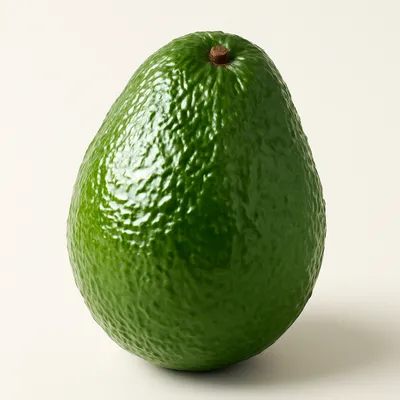
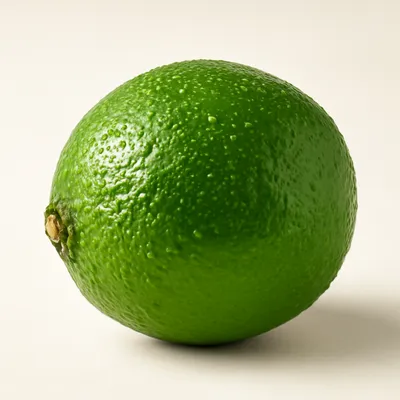
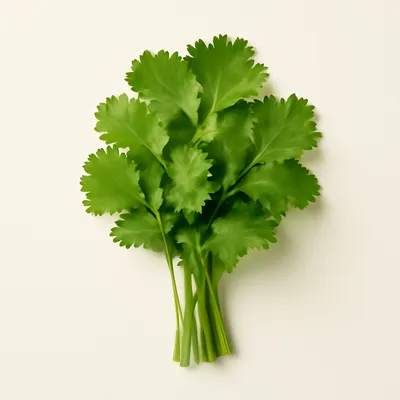
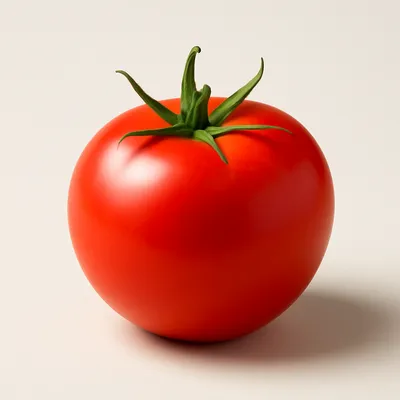


Pre-Columbian, originating with the Aztecs of central Mexico, who called it āhuacamolli (āhuacatl, "avocado" + molli, "sauce") — recorded by Spanish chroniclers including Bernardino de Sahagún in the 16th century. The avocado was domesticated in the Tehuacán Valley around 5,000 BCE; āhuacamolli was the sauce eaten at the Mexica court. The modern recipe's lime and cilantro are actually the post-conquest additions (limes were brought by the Spanish; cilantro is an Old World herb), while tomato — native to Mesoamerica and called tomatl by the Aztecs — was likely in the original āhuacamolli alongside chile and salt.
Mexica name from āhuacamolli — āhuacatl (avocado) + molli (sauce). The molcajete-pounded version tears the cells; a blender shears them. The texture difference is night and day.
Coarsely mashed avocado — chunks still visible, never puréed — with diced white onion, serrano chili, cilantro, lime juice, and salt. Made and eaten within the hour, otherwise it browns. Scooped with warm corn tortilla chips or used as a topping for tacos. The flavor leads with lime and onion bite; avocado is the body, not the seasoning.
The molcajete (volcanic-stone mortar) is the technical move: its rough basalt surface tears the avocado fibers rather than slicing them, releasing a creamier emulsion than a knife or food processor can produce. Lime juice is not just flavor — its citric acid slows the browning enzyme (polyphenol oxidase) by about 30 minutes. Salt last, on top, so it doesn't draw water out of the avocado and slacken the texture.
Variations
Classic (avocado, lime, salt, cilantro, onion, serrano); Tex-Mex (with tomato, sometimes sour cream); Oaxacan (with toasted pumpkin seeds); modern guac (with mango or pomegranate); chunkier vs smoother is the eternal dispute.
On the Palate
Where Guacamole sits in the Mexican flavor cloud
Keep it chunky: mash the avocado just to a creamy-but-lumpy texture, never a smooth purée, and hit it with lime and salt at the very end — over-mashing and early salting both draw out water and slacken it into baby food.
Ingredients


How it's made
4 steps · 15 min
- 15 min
Halve the avocados and remove the pits. Scoop the flesh into a bowl and mash it gently with a fork until creamy yet chunky.
Watch outStop mashing while the flesh is still creamy with clear lumps — a few strokes too many and it slumps into a flat, gluey paste.
- 25 min
Finely chop the onion, tomato, and jalapeño. Add them to the avocado along with minced garlic.
- 33 min
Squeeze fresh lime juice over the mixture and season with salt to taste. Mix everything until well combined, ensuring the flavors meld together.
Watch outSqueeze the lime in and taste before the final salt — the acid should brighten it and the salt should land last, just enough to lift the flavor without pulling water.
- 42 min
Chop cilantro finely and fold it into the guacamole. Serve immediately to enjoy its fresh flavors.
Archive tool suggestions — not reviewed
These legacy suggestions have not been evidence-reviewed and are not presented as required tools.
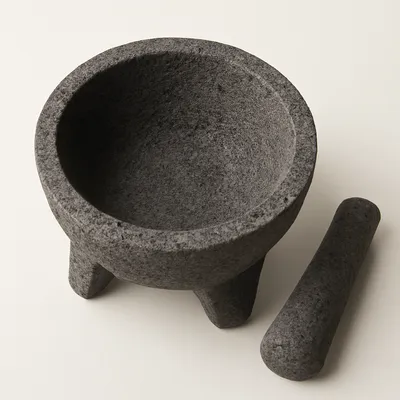
A three-legged mortar carved from porous volcanic basalt, 20-25 cm across, paired with a lava-stone pestle (tejolote). The rough surface tears cell walls instead of slicing them — the difference between a salsa de molcajete and a blender salsa is night and day, the molcajete-pounded version releases oils and aromatics the blade cannot reach. New ones must be cured by grinding rice and salt until the slurry comes out clean of grit.
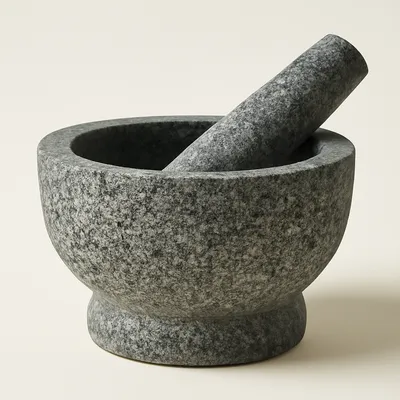
The simplest tool in any kitchen: a heavy bowl and a club to bash things in it. Different cuisines use different stones — Thai cooks pound green papaya in a tall granite mortar (krok hin); pesto Genovese requires the soft-pored Carrara marble; Indian masalas grind down on rough basalt. The bash-don't-cut motion releases volatile oils that a blade keeps sealed in the cell wall.


