Torta ahogada is attributed to early-1900s Guadalajara, with two competing origin stories: one credits Don Luis de la Torre of the Mercado Corona around 1930, who supposedly dropped a torta into salsa by accident; another credits Ignacio "El Güero" Saldaña earlier still. The dish is exclusive to Guadalajara because it depends on birote — a bread that does not bake correctly outside Jalisco's altitude and humidity. Mercado Libertad and Las Nueve Esquinas are the canonical eating zones.
Early-1900s Guadalajara invention — Don Luis de la Torre at Mercado Corona around 1930 is the leading claim. The dish exists only in Jalisco because birote bread doesn't bake correctly outside the city's altitude (1566m) and humidity. Mercado Libertad and Las Nueve Esquinas are the canonical eating zones.
First fork brings vinegared onion, then hot árbol salsa, then a piece of crusty bread that has held its bite despite the bath, then carnitas — pulled, fatty, slightly crisp at the edges. The salsa burns; the pickled onion cools; the orange-scented pork sweetens. Three minutes in, the bread starts giving way and you're eating something between a sandwich and a stew. By minute six, only stew. Locals stand at street-corner stalls in Mercado Libertad eating it for breakfast.
Birote's hard, salt-water crust is structurally critical: it has very low fat and sugar, a thick crust developed at high hydration, and an open crumb that absorbs salsa without becoming pure mush. A normal bolillo or ciabatta would dissolve. Carnitas adds the fat phase the salsa rides on; the pickled onion's acetic acid cuts through the rendered pork and balances the chile's capsaicin burn.
Variations
Media-ahogada (half-drowned, only the bottom in salsa) is the gentler version; Las Nueve Esquinas runs the spiciest árbol; Tortas Toño is the volume operator with 60+ years on Avenida Mariano Otero.
On the Palate
Where Torta Ahogada sits in the Mexican flavor cloud
Ingredients
Serves 4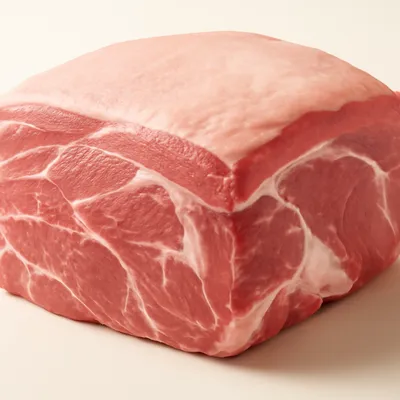









How it's made
7 steps · 45 min active · 135 min waiting
- 18 min
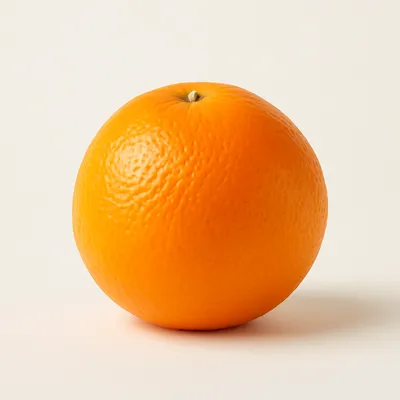
Cut 1.2kg pork shoulder into 4cm cubes. Place in a wide heavy pot with 250g lard, 1 orange (halved, peel and all), 1 white onion, 6 garlic cloves, 2 bay leaves, 1 tbsp salt. Add water to barely cover.
Watch outThe orange halves go in whole — peel adds bitter aromatics, juice sweetens. This is the Michoacán-Jalisco carnitas signature.
- 290 min
Bring to a boil, then drop to bare simmer. Cook uncovered 90 minutes — water evaporates first, then the pork starts frying in the rendered lard. Don't stir while there's water; stir gently once it's frying.
Watch outThe transition (water-to-fat) is when texture sets. Pieces should be tender inside, lightly crisped outside.
- 322 min
Make the chile de árbol salsa: stem 30g chile de árbol (very hot), toast on a comal 20 seconds, soak in hot water 15 minutes. Blend with 4 garlic cloves, 1 tsp Mexican oregano, 1 tsp cumin, 2 tbsp white vinegar, 1 tsp salt, and 250ml soaking water. Strain.
Watch outÁrbol is dangerously hot. Use 20g for medium, 30g for traditional Guadalajara heat. Wear gloves.
- 412 min
Make the tomato salsa for half-drowning ("medio ahogada" version): boil 600g roma tomatoes 8 minutes until soft. Blend with 2 garlic cloves, 1/4 white onion, 1 tsp salt. Strain. Some traditionalists drown only in tomato; many use this milder base under the spicy árbol top.
- 516 min
Pull the carnitas from the fat, shred coarsely. Pickle 2 thin-sliced white onions in 60ml white vinegar + 1 tsp Mexican oregano + 1/2 tsp salt for 15 minutes.
- 64 min
Split 4 birote rolls horizontally without separating. Stuff each with 150g carnitas. Hold the sandwich whole.
Watch outBirote is essential — its dense salt-water crust survives the salsa bath without dissolving. Bolillo is a poor substitute; ciabatta is closer.
- 72 min
In a wide bowl, ladle 200ml warm tomato salsa, lower the stuffed sandwich in, then spoon 80-150ml árbol salsa over the top — adjust to your tolerance. Top with pickled onions. Serve immediately with a fork; it cannot be picked up.
Watch outEat fast — even birote eventually surrenders. The 5-minute window is the dish.