Coloradito (literally 'small red') sits between negro and rojo in the Oaxacan seven — historically the everyday celebration mole, the one cooked at home rather than for festivals. The 'colorado-' family of moles spans much of central and southern Mexico (Puebla, Tlaxcala, Oaxaca all have versions); the Oaxacan one is distinguished by ancho-guajillo dominance and by tomato as a key body, where Pueblan reds lean on tomatoes-and-bread differently. Most Oaxacan home cooks treat coloradito as the gateway mole — the first one a daughter learns.
「Small red」 — the gateway mole of Oaxaca, the first one a daughter learns. Plantain and fried tortilla do the body work that almonds-and-chocolate do for negro; the half-dose of cacao is calibration, not oversight.
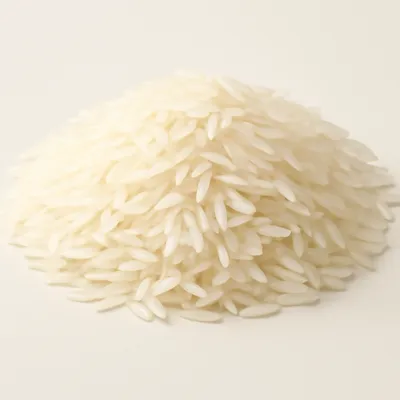
Coloradito is what you eat when negro feels too heavy and rojo too sweet. Brick-red but lighter on the spoon than negro — coats but flows. First taste is roasted tomato and ripe ancho, then a small caramel hit from the plantain, then chocolate as a faint back note rather than a star. The pork or chicken underneath stays the centre of the plate. Eaten with rice that's been pre-toasted in a little fat. Benchmark: you should be able to identify the chile by name in the second bite — Negro hides the chile under chocolate; Coloradito does not.
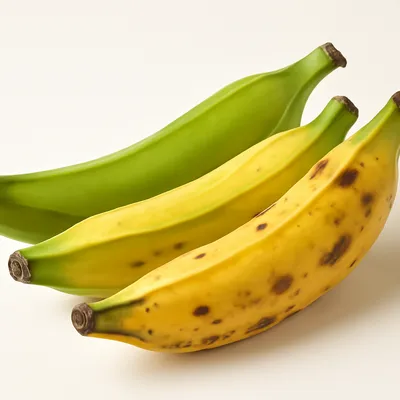
The plantain-tortilla pair does the body work that almonds-and-chocolate do for negro. Caramelized plantain contributes glucose and reducing sugars that thicken via Maillard during sazonar; fried tortilla adds gelatinized corn starch that swells during simmer. Together they let coloradito reach a velvet body without leaning on the heavy nut-chocolate ratio of negro. The half-dose of chocolate is a calibration choice, not an oversight: more chocolate would mute the ancho, which is the dish's point.
Variations
Tlacolula-valley families add more ancho; Etla-valley cooks lean on guajillo and skip cinnamon; restaurant Los Pacos in Oaxaca de Juárez offers a side-by-side tasting of all seven, with coloradito as the comparison anchor.
On the Palate
Where Mole Coloradito sits in the Mexican flavor cloud
Ingredients
Serves 6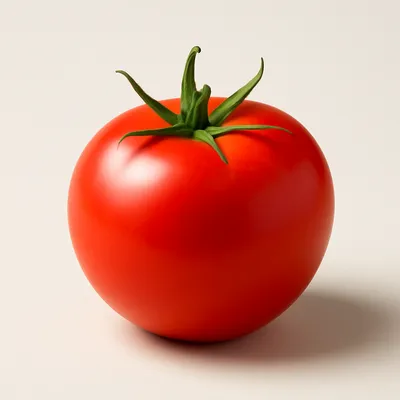












How it's made
8 steps · 1 hour 40 min active + 50 min waiting
- 125 min
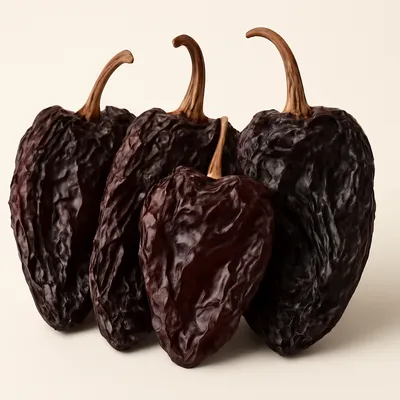
Toast 70g ancho and 50g guajillo chiles (stemmed, seeded) on a dry comal 30 seconds per side. Soak in 800ml hot water 20 minutes.
Watch outAncho's thicker flesh forgives a bit more heat than guajillo — toast guajillo first, ancho second.
- 28 min
On the comal, blacken 4 medium tomatoes, 1 white onion (halved), and 5 garlic cloves until skins are spotted black, 6 minutes. Slip skins from tomatoes.
- 36 min
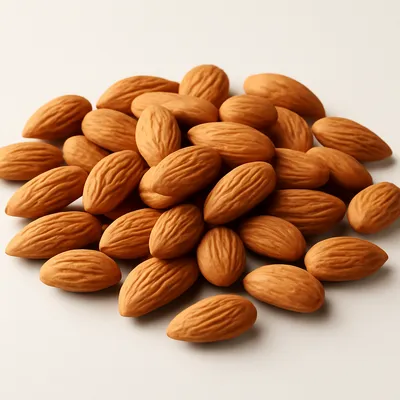
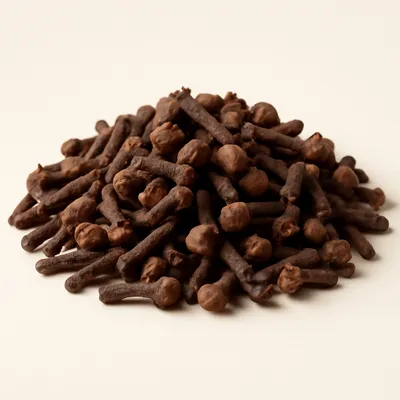
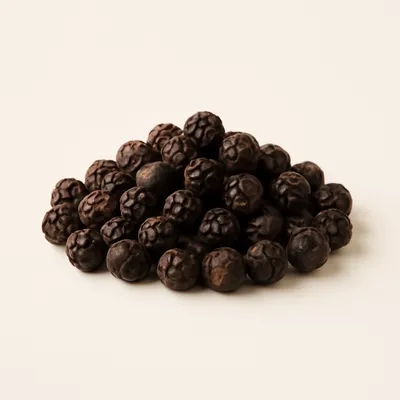
Toast 30g sesame seeds, 30g blanched almonds, 1 tsp cumin, 6 black peppercorns, 4 cloves, 2 allspice, 1 small piece canela, 1 tsp dried oregano. Reserve.
- 48 min
Slice 1 ripe plantain, fry in 40ml lard until edges caramelize, 4 minutes. Tear 2 corn tortillas into pieces and fry the same pan until crisp.
Watch outFried tortilla acts as a thickener — small amounts only or the mole turns pasty.
- 515 min
Blend drained chiles, charred vegetables, toasted aromatics, fried plantain and tortilla, and 400ml chile water in batches until very smooth. Pass through a medium sieve.
- 620 min
Heat 50ml lard in a heavy pot until shimmering. Pour in the strained paste — it will pop. Stir constantly over medium heat 20 minutes until the paste deepens to brick-red and oil splits at the edges.
Watch outColoradito needs less frying than rojo or negro — it's meant to taste of fresh chile, not deep-roasted.
- 725 min
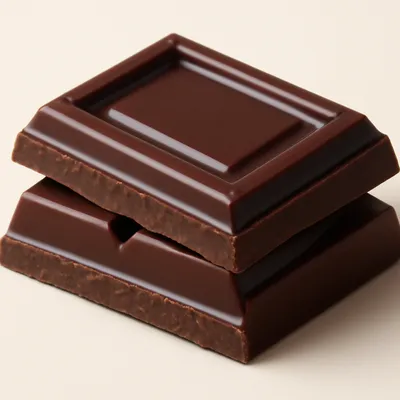
Add 1.2L chicken stock, 15g Mexican chocolate (chopped — half what rojo uses), 1.5 tsp sugar, salt to taste. Simmer uncovered 25 minutes, skimming oil.
Watch outColoradito's defining trait is restraint with chocolate — it should taste of chile and tomato, with chocolate as a back note.
- 812 min
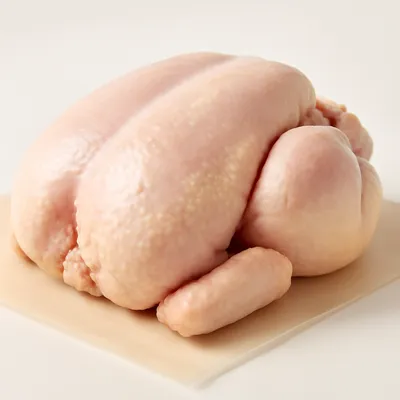
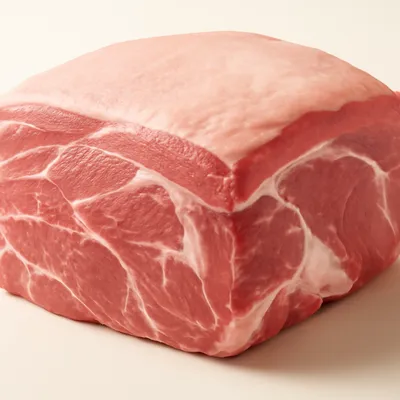
Add poached chicken pieces or braised pork shoulder (1.5kg, cooked separately). Heat through 8 minutes. Plate with white rice and warm tortillas; sprinkle sesame.
Archive tool suggestions — not reviewed
These legacy suggestions have not been evidence-reviewed and are not presented as required tools.