Estofado is the seven's Spanish cousin — its template is the late-medieval Iberian estofado de pollo (with saffron, olives, capers, raisins, almonds), brought to Oaxaca by colonial-era cooks and embedded into Oaxacan cuisine to the point of being grandfathered into the seven moles. Traditionally the wedding mole — lighter and sweeter than negro, fit for celebration. Some food historians (notably Rachel Laudan) note that Oaxacan estofado preserves the medieval Spanish 'sweet-savoury' template more faithfully than modern Spanish cuisine itself.
Oaxaca's medieval-Spanish cousin — the late-medieval Iberian template (saffron, olives, capers, raisins, almonds) survived almost intact in colonial Oaxaca after fading at home. Rachel Laudan notes it preserves agro-dolce balance more faithfully than modern Spanish cooking.
Estofado eats more like an Andalusian stew than a mole — the sauce is gold and almost see-through from its light tomato base, with whole olives and raisins bobbing visibly. First taste is sweet-saffron-bright, then olive brine, then the slow round-off of raisins and almond. The chicken is fall-off-the-bone, and the orange peel adds a citrus high note that keeps the dish from going cloying. Best with white rice and a glass of dry sherry. Benchmark: salt and sweet should arrive in the same bite, never separately.
The whole structure is sweet-savoury balance, a medieval European technique called 'agro-dolce' that survived in the colonies after fading at home. Three vectors of sweetness (raisins, slight sugar, fruity green olives) play against three of savoury-salt (capers, brine olives, salted almonds). Toasted sesame, cinnamon and clove contribute neither — they're the aromatic glue. The torn tortilla as bread-thickener is the only Oaxacan substitution; everything else is essentially preserved 16th-century Iberian cooking.
Variations
Oaxacan estofado de bodas (the wedding version) is sweeter; Mixteca-Alta households add quince in autumn; the city restaurant Catedral runs a chef's estofado with duck instead of chicken.
On the Palate
Where Estofado de Oaxaca sits in the Mexican flavor cloud
Ingredients
Serves 6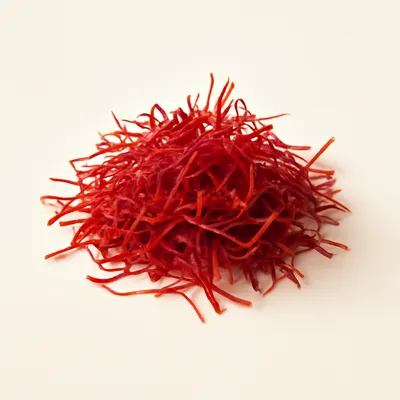










How it's made
8 steps · 1 hour active + 30 min waiting
- 122 min
Steep 1 generous pinch (about 0.4g) saffron threads in 4 tbsp warm water for 20 minutes. The water should turn deep orange.
Watch outCold-water steep gives more colour and aroma than hot — saffron's apocarotenoids degrade above 60°C.
- 212 min
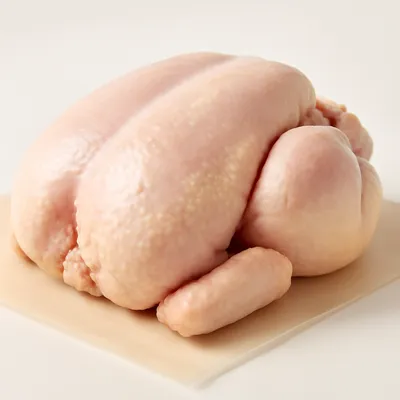
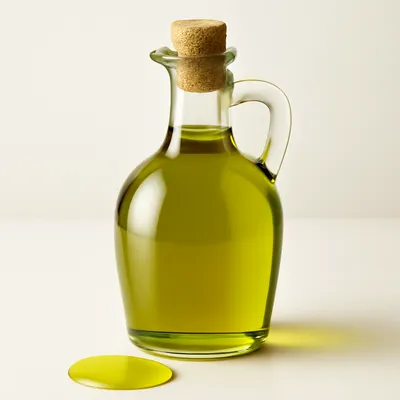
Brown 1.5kg chicken pieces in 40ml olive oil in a wide casserole over medium-high heat, 4 minutes per side. Remove and set aside.
- 318 min
In the same fat, sweat 1 large white onion (chopped) and 5 garlic cloves (minced) until translucent, 6 minutes. Add 4 ripe tomatoes (peeled and chopped) and a piece of canela; cook to a thick sofrito, 10 minutes.
- 48 min
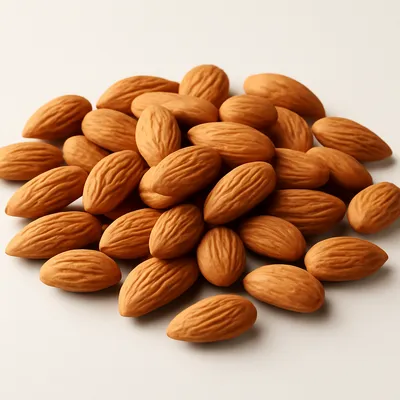
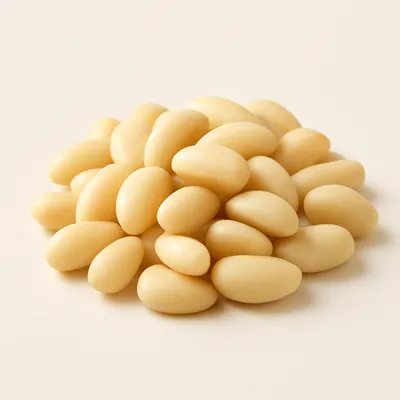
Toast 50g blanched almonds and 30g pine nuts on a dry comal until pale gold. Soak 2 stale corn tortillas (torn) in 200ml warm broth for 5 minutes — the bread thickener.
Watch outThe torn tortilla replaces what would be Spanish bread in the European original — an Oaxacan localization.
- 58 min
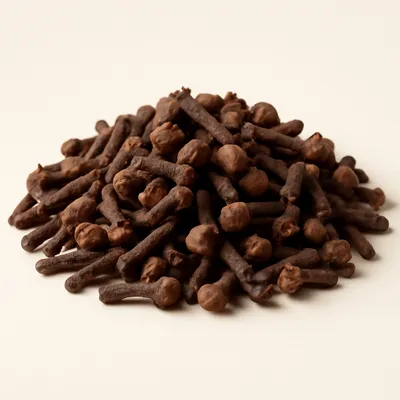
Blend the sofrito, soaked tortilla, half the toasted almonds, 4 cloves, 6 black peppercorns, the saffron-water, and 400ml broth until smooth. Sieve into a clean pot.
- 628 min
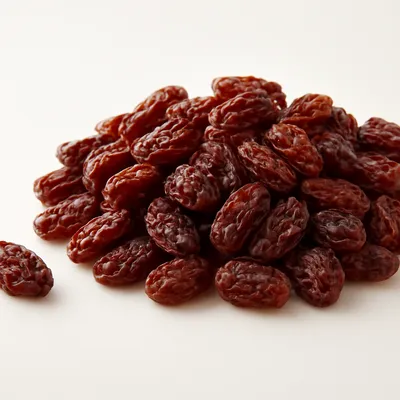
Return the chicken to the pot. Add 800ml more broth, 100g pitted green olives (manzanilla), 30g capers (rinsed if salt-packed), 30g golden raisins, and a 5cm strip of orange peel. Simmer covered 25 minutes until chicken pulls easily.
Watch outOlives go in early so their brine integrates; capers go in early too. Don't add either at the end — the dish needs time to mellow them.
- 78 min
Add the remaining whole almonds and pine nuts, 1 tbsp sherry vinegar, salt and a small pinch of sugar. Simmer 5 more minutes. Sauce should coat a spoon thinly — pour, not ladle.
- 84 min
Serve in shallow plates with white rice. Garnish with chopped flat-leaf parsley and a scatter of capers. Warm bolillo bread or corn tortillas alongside.
Archive tool suggestions — not reviewed
These legacy suggestions have not been evidence-reviewed and are not presented as required tools.