
Chichilo (also chichilo negro) is the most regionally specific of the seven Oaxacan moles, traditional to the Central Valleys (Tlacolula, Etla) and rarely served outside Oaxaca. Often called 'the lost mole' because chilhuacle negro is near-extinct (a critically endangered landrace cultivated only in Cuicatlán Cañada by a handful of farmers). Some Oaxacan cooks deliberately omit it from menus and only make it for funerals; others say it's the proof-of-skill mole that no daughter learns until she's already mastered the other six.
「The lost mole」 — Oaxaca's central-valley funeral mole, near-extinct because chilhuacle negro is critically endangered (cultivated only in Cuicatlán Cañada by a handful of farmers). The char is the mechanism: burnt chiles release pyrazines and melanoidins that mimic smoking without smoke.
Chichilo tastes like nothing else in the seven — opaque coffee-black on the spoon, an aroma somewhere between dried mushroom and burnt toast and aniseed. First taste is char-deep umami, no sweetness, then the avocado-leaf anise rises like a perfume note, then a long bitter-roasted finish that takes ten seconds to fade. The beef has absorbed all of it. Eaten in small bowls because the depth is exhausting. Benchmark: it should taste like fire was intentional, not a mistake — controlled char, never acrid.
Chichilo's char is its mechanism. Burnt chile contains pyrazines, melanoidins, and small amounts of acrolein-like volatiles — the same compounds that give black garlic and coffee their depth — and the avocado leaf contributes anethole and methyleugenol. Together they produce a flavour profile that mimics smoking without actual smoke. The narrow window is everything: under-burnt chiles taste merely toasted (boring); over-burnt produce furan compounds that taste industrial. The pinch of sugar at the end is not for sweetness but to mask residual bitter alkaloids the burn extracts.
Variations
Tlacolula and Etla valley families keep different formulas; Origen in Oaxaca de Juárez serves a chichilo on chef Rodolfo Castellanos's tasting menu; some Mixteca-Alta cooks substitute burnt pasilla mixe when chilhuacle is unavailable.
On the Palate
Where Mole Chichilo sits in the Mexican flavor cloud
Ingredients
Serves 6

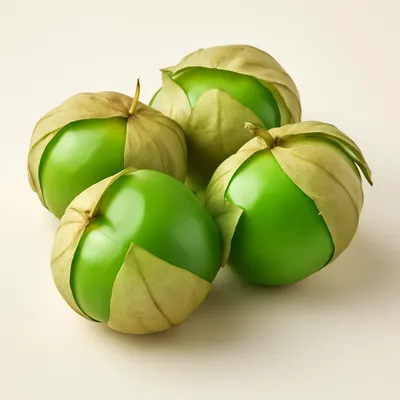


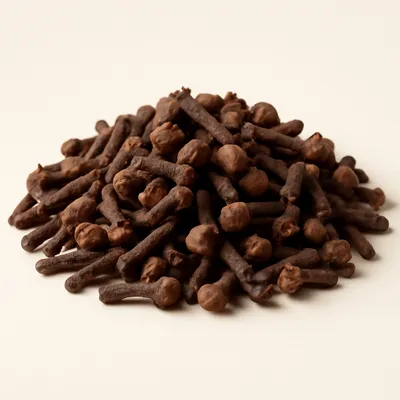
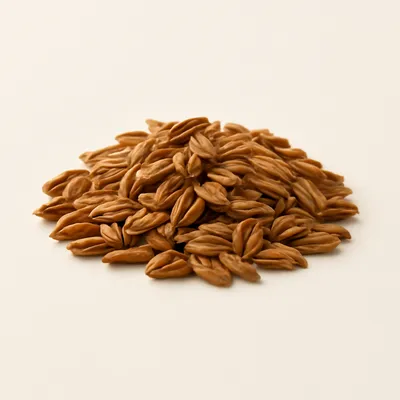

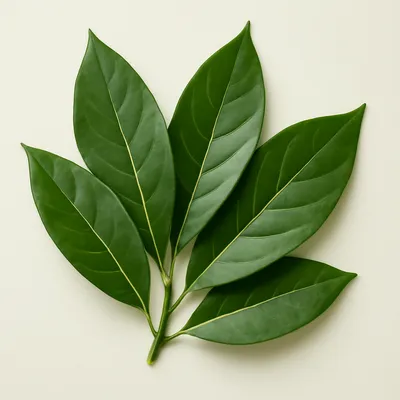





How it's made
9 steps · 2 hours 30 min active + 1 hour 30 min waiting
- 112 min
Stem and seed 60g chilhuacle negro and 50g pasilla mexicano. Reserve seeds. On a hot dry comal, char the chiles aggressively until completely blackened on both sides, 4 minutes per side — they should crumble like burnt paper.
Watch outUnlike every other mole, chichilo demands you BURN the chiles — fire alarm, smoke, the works. Open a window.
- 235 min
Burn the reserved chile seeds black on the same comal until they smoke. Soak both burnt chiles and burnt seeds in 1L hot water 30 minutes. Don't drink the water — but reserve 500ml for the blend.
Watch outBurnt seeds carry the bitter-acrid note that defines chichilo's flavour profile.
- 310 min
Char 4 medium tomatoes, 3 tomatillos, 1 white onion, 5 garlic cloves on the comal until skins blister black, 8 minutes. Reserve.
- 46 min
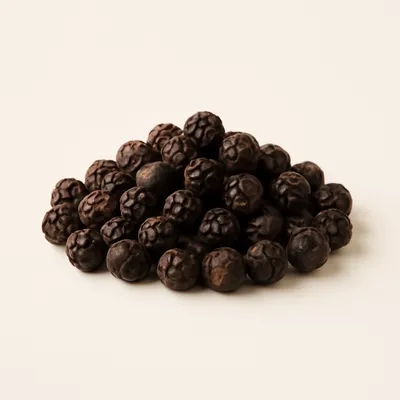
Toast 6 black peppercorns, 4 cloves, 1 tsp cumin, 1 stick canela, 1 tsp Mexican oregano. On the same comal, pass 4 dried avocado leaves through the heat 5 seconds per side until they smell of anise and tarragon.
Watch outAvocado leaf must be from a Mexican variety (Persea drymifolia) — Hass-type leaves can be toxic.
- 512 min
Drain burnt chiles and seeds. Blend with charred vegetables, toasted spices, 2 toasted avocado leaves (reserve the others), and 500ml of the soaking water until very smooth. Pass through a fine sieve.
Watch outSieve twice — chichilo's burnt chile leaves more fibre than other moles.
- 6100 min
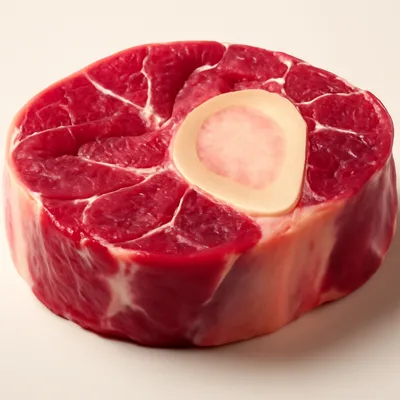
Brown 1.2kg beef shank or chuck (cut into 4cm pieces) in 40ml lard with onion and garlic. Add 2L water, salt, simmer 90 minutes until tender. Reserve meat and 1.5L of the broth.
- 720 min
Heat 50ml lard in the mole pot. Pour the strained black paste in and fry 20 minutes over medium-low — it's already dark, so watch for the oil splitting at the edges and a slight glaze rather than colour change.
Watch outYou can't gauge chichilo's sazonar by colour — go by oil-split and aroma turning from acrid-burnt to roasted-sweet.
- 825 min
Whisk 60g masa harina into 300ml cool beef broth. Add to pot with 1.2L more broth, the cooked beef, and the remaining 2 avocado leaves. Simmer 20 minutes. Salt and a pinch of sugar to balance the burn-bitter.
Watch outA small pinch of sugar is essential — without it the bitter pulls everything down.
- 95 min
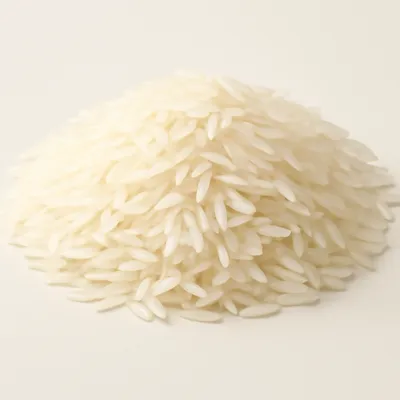
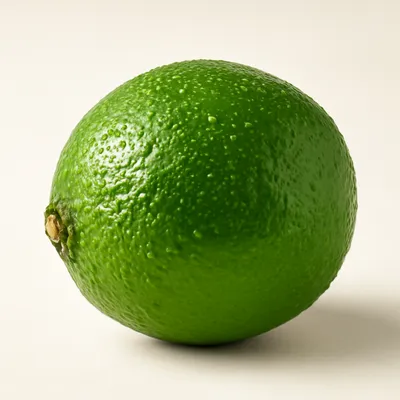
Serve in bowls with the beef. White rice on the side. Warm corn tortillas. Squeeze of lime is optional — most Oaxacan cooks consider it heretical.
Archive tool suggestions — not reviewed
These legacy suggestions have not been evidence-reviewed and are not presented as required tools.
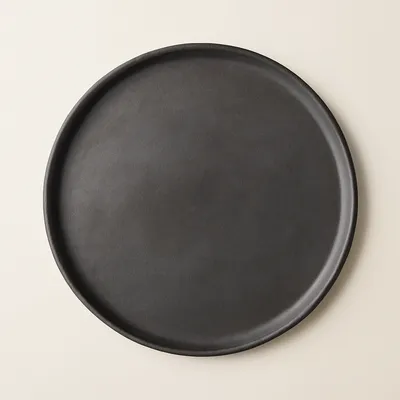
A flat round griddle of steel, cast iron, or unglazed clay, 30-50 cm across, the workhorse of the Mexican kitchen. It sits directly over a flame to toast tortillas (the puff happens in 30 seconds when the heat is right), char chiles for moles, blister tomatoes for salsas, and warm reheated leftovers. Clay comales (especially from Oaxaca) season with each use and impart a faint smoky tang that no metal version can fake.
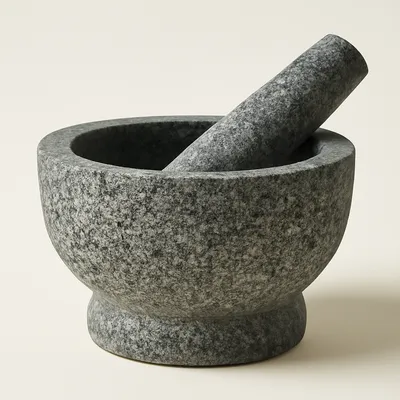
The simplest tool in any kitchen: a heavy bowl and a club to bash things in it. Different cuisines use different stones — Thai cooks pound green papaya in a tall granite mortar (krok hin); pesto Genovese requires the soft-pored Carrara marble; Indian masalas grind down on rough basalt. The bash-don't-cut motion releases volatile oils that a blade keeps sealed in the cell wall.


