Red pumpkin-seed sauce: toasted pepitas blended with guajillo, ancho, charred tomato, sesame, and warm spices, simmered with chicken or pork — sister to the green pipián verde.
Pipián is a pre-Hispanic sauce family. The Mexica and earlier Mesoamerican cooks ground toasted pumpkin seeds with chiles to thicken stews — the word pipián itself derives from Nahuatl pepita. Both red and green versions predate the Spanish: pipián verde uses pumpkin seeds with tomatillo and green chile; pipián rojo uses the same seeds with dried red chile (guajillo, ancho) and tomato. Puebla and Oaxaca are the two states most associated with the dish today, with Pueblan kitchens leaning slightly heavier on the spice load.
Pre-Hispanic pumpkin-seed sauce — the word comes from Nahuatl pepita. Two-stage blend is non-negotiable: pepitas alone first to break their fat into a smooth paste, then everything else, otherwise the sauce reads sandy.
Pipián rojo eats heavier and more savory than its green counterpart — the toasted pepitas give it body like a thinned peanut sauce, but the guajillo-ancho base supplies a rust-red bottom note no nut sauce can match. Spices stay quiet (allspice and clove are present but background). Eaten with rice or torn corn tortilla, the sauce coats and clings rather than pours. The hallmark texture is creamy-not-grainy — gritty pipián means the seeds were under-blended or under-sieved.
Pipián's whole identity hangs on pepita technique. Three failure points: under-toasting leaves the seeds grassy; over-toasting makes them bitter and grit-textured; under-blending or skipping the sieve leaves seed-shell flecks that turn the sauce sandy. The two-stage blend (seeds alone first, then everything else) is the professional fix: pepitas need extended blade time to break their fat and starch into a smooth paste, while the rest of the sauce blends fast and would over-process if subjected to the same time.
Variations
Pueblan pipián rojo runs guajillo-and-ancho heavier; Oaxacan home cooks lean on chilcosle and add a small dose of cacao; pipián verde (its sister) swaps tomatillo and serrano for the red chiles.
On the Palate
Where Pipián Rojo sits in the Mexican flavor cloud
Ingredients
Serves 6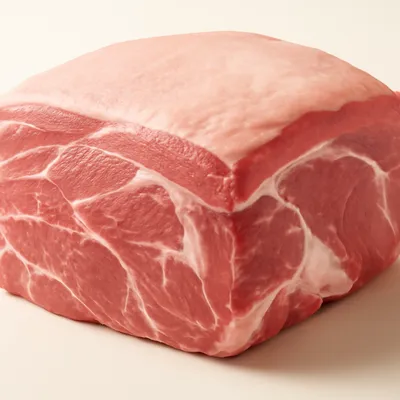










How it's made
9 steps · 1 hour active + 20 min waiting
- 135 min
Poach 1.2kg bone-in chicken pieces (or pork shoulder cubed in 4cm pieces) in salted water with 1 onion, 4 garlic cloves, 1 bay leaf, 30 minutes for chicken or 75 minutes for pork. Reserve 1.2L of strained stock and the meat separately.
- 25 min
Toast 200g raw hulled pepitas (green pumpkin seeds) on a dry comal over medium heat 4-5 minutes — they will pop and turn pale gold. Stir constantly. Pour out immediately when toasted; residual heat will burn them.
Watch outBurnt pepitas turn the entire sauce gritty and bitter — pull them at first pop, even if some look pale; carryover finishes the toast.
- 318 min
On the same comal, toast 30g sesame seeds 2 minutes until fragrant. Add 4 dried guajillo and 2 dried ancho chiles (stems and seeds removed) and toast 30 seconds per side. Soak the chiles in 250ml just-boiled water 15 minutes.
Watch outBurnt chiles ruin a pipián. 30 seconds per side, watch closely — they should puff and smell raisin-sweet.
- 48 min
Char 3 Roma tomatoes, 1/2 white onion, and 4 unpeeled garlic cloves on the comal until blackened in spots. Peel the garlic.
- 56 min
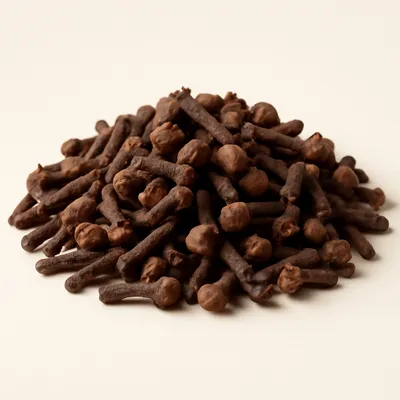
Blend in two stages. First the pepitas alone with 250ml chicken stock until a smooth paste, 2 minutes. Then add the soaked chiles (drained), tomatoes, charred onion and garlic, sesame seeds, 1 tsp Mexican oregano, 1/2 tsp ground allspice, 1/4 tsp ground clove, 4 black peppercorns, and 250ml more stock. Blend 2 more minutes until completely smooth.
Watch outBlending pepitas first gives the sauce a creamier body — adding them with everything else leaves grainy texture, which is the most common failure mode.
- 65 min
Pass the sauce through a fine sieve into a bowl, pressing with a ladle. Discard solids — there will be substantial pulp.
- 710 min
Heat 3 tbsp lard in a heavy pot over medium-high. Pour in the strained sauce — it will sputter heavily. Stir constantly 6-8 minutes until the sauce darkens from orange-red to deep brick and the fat separates at the edges. The aroma turns from raw to toasted-nutty.
Watch outPipián separates if rushed — keep stirring with a wooden spoon scraping the bottom; if it sticks the seed solids will scorch.
- 817 min
Add 700ml reserved stock, the chicken pieces, and salt to taste. Simmer 12-15 minutes uncovered to thicken to a coat-the-spoon consistency. The sauce should be rust-colored, glossy, and just thick enough that a spoon dragged through leaves a brief trail.
Watch outPipián thickens further as it cools — pull it slightly looser than you want it on the plate.
- 92 min
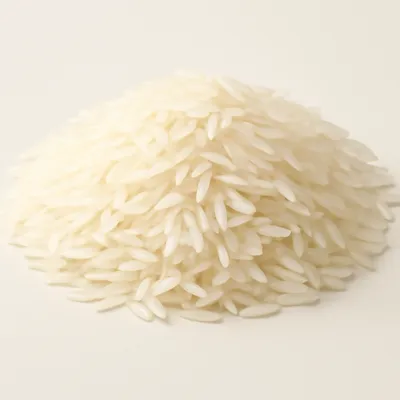
Serve over white rice or with hot corn tortillas. Sprinkle a few extra toasted pepitas on top.
Archive tool suggestions — not reviewed
These legacy suggestions have not been evidence-reviewed and are not presented as required tools.