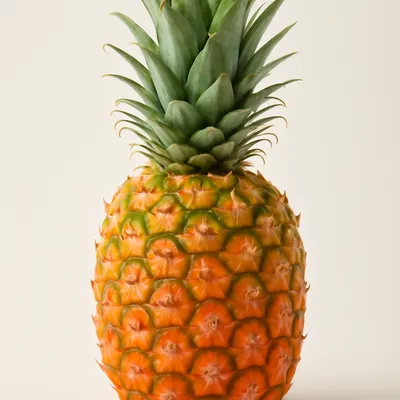
Manchamanteles is one of the seven traditional moles of Oaxaca and one of Puebla's principal stews — both states claim it. The recipe appears in Sor Juana Inés de la Cruz's late-17th-century convent kitchen book, which places its codified form in the Hieronymite convent of San Jerónimo in Mexico City. The fruit content reflects the post-1521 colonial larder: pineapple was Mexican, but plantain, apple, and cane sugar all entered the New World with the Spanish.
「Tablecloth-stainer」 — one of Oaxaca's seven moles, also a Pueblan principal stew. Recorded in Sor Juana Inés de la Cruz's late-17th-century convent kitchen book; the fruit load is colonial (plantain, apple, sugar) over a native ancho-pineapple base.
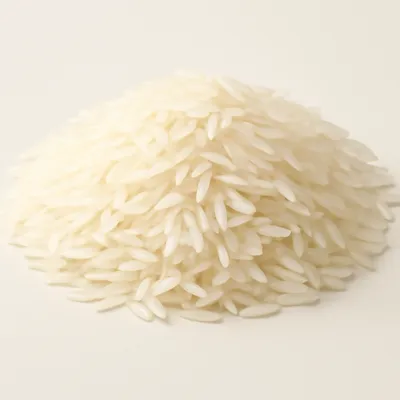
Manchamanteles is sweet-savory in a way that confuses first-timers — the ancho's deep brick body sits behind pineapple acidity and the molasses note of caramelized plantain. Each spoon delivers a different fruit cube; the chicken takes a back seat. Cinnamon and clove are present but recessed. The sauce really does stain — guests in Pueblan homes are sometimes given dark napkins on purpose. Eat with rice to absorb the sauce; tortillas tear too thin under it.
Manchamanteles sits in the mole family because it follows the mole grammar: toasted chiles + charred aromatics + nut/seed thickener + spice + frying the blended sauce in fat. What makes it manchamanteles specifically is the fruit load — about 600g of fruit by weight against ~1.5kg of meat. The fruit is added late and gently so it stays in chunks; if it dissolves the dish becomes a sweet sauce with chicken, not a stew.
Variations
Pueblan version pushes ancho heavier and uses more apple; Oaxacan version leans pineapple-forward with chorizo added; Tlaxcala cooks include pear in autumn.
On the Palate
Where Manchamanteles sits in the Mexican flavor cloud
Ingredients
Serves 6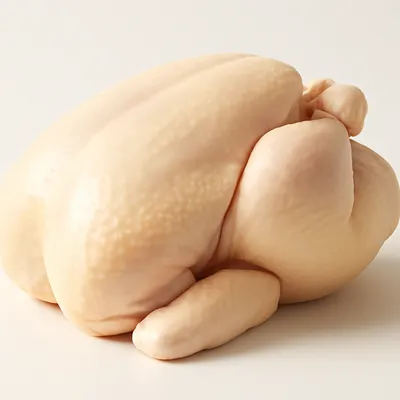















How it's made
8 steps · 1 hour 15 min active + 45 min waiting
- 135 min
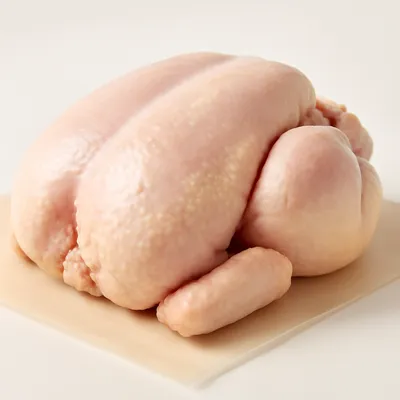
Poach a 1.5kg whole chicken (jointed into 8 pieces) in salted water with 1 onion, 3 garlic cloves, 1 carrot, 1 bay leaf for 30 minutes. Cool in the broth, then strain — reserve 1.5L of stock and the chicken pieces separately.
- 225 min
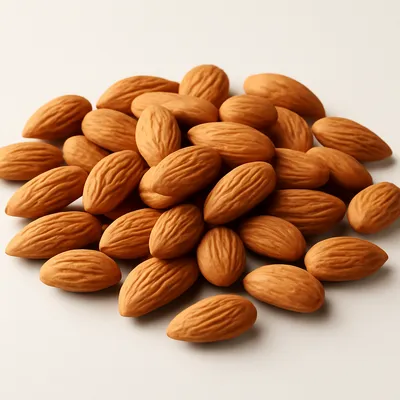
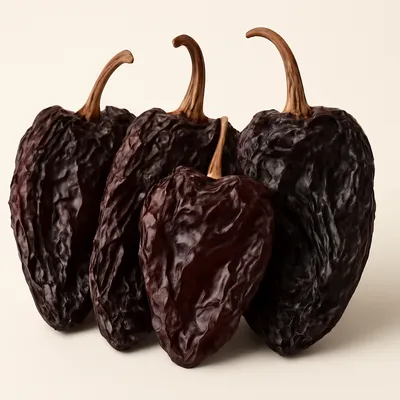
Toast 6 ancho chiles and 2 pasilla chiles (stemmed and seeded) on a dry comal 30 seconds per side until fragrant. Soak in just-boiled water 20 minutes. Toast 30g sesame seeds and 30g blanched almonds separately on the comal until pale gold, 2-3 minutes.
Watch outSesame seeds go from pale to burnt in 30 seconds — pull them at first hint of color and shake them out of the pan immediately.
- 38 min
Char 4 Roma tomatoes, 1/2 white onion, and 4 unpeeled garlic cloves on a comal 6-8 minutes until blackened in spots. Peel the garlic.
- 48 min
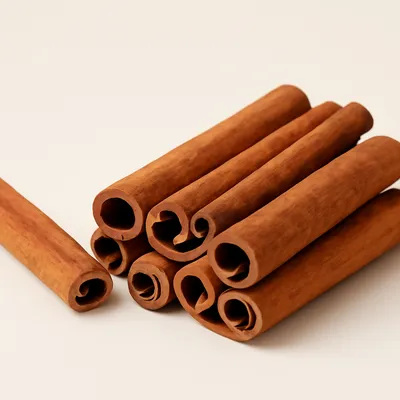
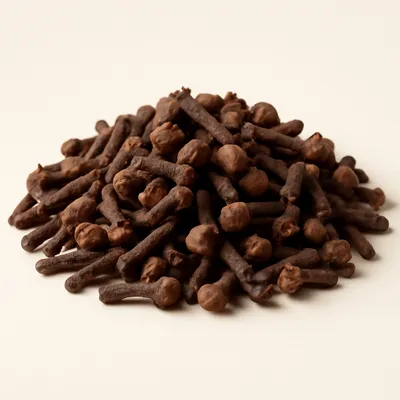
In a blender, combine the soaked chiles (drained), charred tomatoes/onion/garlic, sesame, almonds, 1 tsp Mexican oregano, 1 tsp ground cinnamon, 1/2 tsp ground cloves, 4 black peppercorns, and 250ml chicken stock. Blend 3 minutes until completely smooth. Pass through a fine sieve into a bowl — discard the solids.
Watch outSkipping the sieve leaves chile-skin grit — sieving is non-negotiable in the mole family.
- 510 min
In a heavy pot, heat 3 tbsp lard over medium-high. Pour in the strained sauce — it will sputter. Fry, stirring constantly, 8-10 minutes until the sauce darkens from red-orange to deep brick and the lard separates at the edges. This is sofreír la salsa, the load-bearing flavor step.
Watch outIf the sauce stays bright red and watery, the fat is not hot enough — turn it up; deep brick color means the chiles have caramelized, not just heated.
- 622 min
Add 1L chicken stock, 1 tbsp white vinegar, 2 tbsp brown sugar, and salt to taste. Simmer 20 minutes uncovered to thicken to coat-the-back-of-a-spoon consistency.
- 725 min
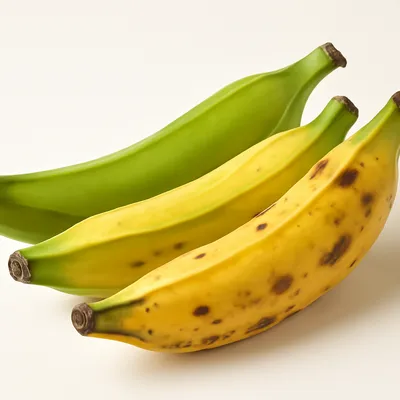
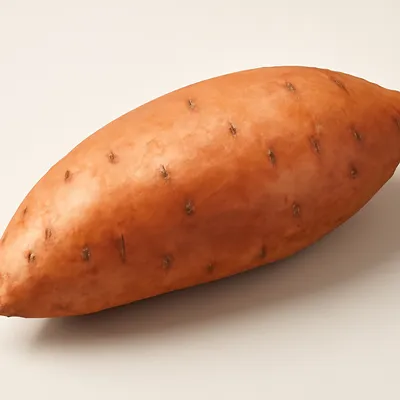
Add the chicken pieces, 1 ripe plantain (peeled, sliced 2cm thick), 200g peeled cubed sweet potato, 200g pineapple chunks, and 1 tart apple (peeled, cubed). Simmer gently 20-25 minutes until the sweet potato and plantain are tender. The fruit should hold its shape, not dissolve.
Watch outPlantain dissolves if simmered hard — keep the heat low; the dish wants chunks of fruit, not fruit puree.
- 83 min
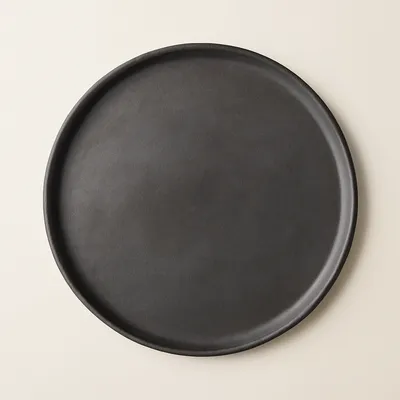
Serve in shallow bowls with white rice on the side. Sprinkle a few toasted sesame seeds over each portion. Warn diners about the name — the sauce really does stain tablecloths.
Archive tool suggestions — not reviewed
These legacy suggestions have not been evidence-reviewed and are not presented as required tools.