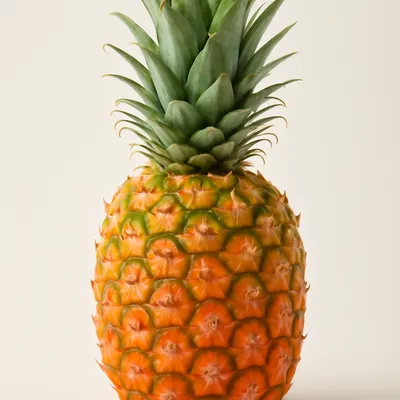
Pineapple
Pineapple bursts with tropical sweetness and vibrant acidity, offering a juicy, fibrous texture that invigorates the senses. Its intoxicating aroma and golden hue make it a showstopper in any dish, evoking sun-soaked islands.
Where it comes from
Native to South America, pineapple became a symbol of hospitality in Europe after its introduction, celebrated for its unique flavor and versatility in various culinary applications.
In the kitchen
Pineapple is widely used in both sweet and savory dishes, from fresh fruit salads to grilled meats, where its acidity and sweetness create a perfect balance.
Across cuisines
In Cambodian cuisine, pineapple is often used to balance sour flavors in soups and stews. It is particularly common in dishes like Samlor Machu Yuon, where it complements tamarind and lime to create a complex sour profile. The fruit is typically added towards the end of cooking to maintain its texture and brightness.
Hawaiian cuisine frequently incorporates pineapple into marinades for its tenderizing properties and tropical sweetness. In dishes like Hawaiian Kalbi, pineapple juice is combined with soy sauce and garlic to marinate beef, infusing it with flavor while also breaking down proteins for a tender texture. The fruit's enzymes play a critical role in this process.
In Malaysian cuisine, pineapple is used to create a spicy-sour contrast, especially in dishes like Assam Laksa. The fruit is often sliced thinly and added to the spicy, fish-based soup to provide a sweet and tangy counterpoint to the heat of chilies. This interplay of flavors is a hallmark of Malaysian culinary tradition.
Nutrition (per 100g)
AI-estimated; model and run unavailable.
Pairs well with