
Vietnamese
Herbs first, broth second. Freshness you can smell from the street.
Pho
A fragrant noodle soup with aromatic herbs and spices, embodying the balance and freshness of Vietnamese cuisine.
View page →Vietnamese cooking is light and herb-forward, leaning on fish sauce, lime, and a pile of fresh herbs rather than heavy spicing. Pho is the national dish — a clear beef or chicken broth simmered with charred ginger, onion, and star anise, poured over rice noodles and finished at the table with bean sprouts, basil, and chili. Banh mi, a legacy of French colonial rule, is a crisp baguette filled with pâté, pickled carrot and daikon, cilantro, and cold cuts or grilled pork. Goi cuon are fresh rice-paper rolls of shrimp, pork, herbs, and noodles, dipped in peanut sauce, while bun cha (grilled pork patties with noodles and dipping sauce) is a Hanoi specialty. The north favors restrained, savory flavors; the south runs sweeter and uses more coconut and sugar. Strong drip coffee with sweetened condensed milk (ca phe sua) is the everyday drink.
The Palate
What makes it taste like itself
Dishes to explore
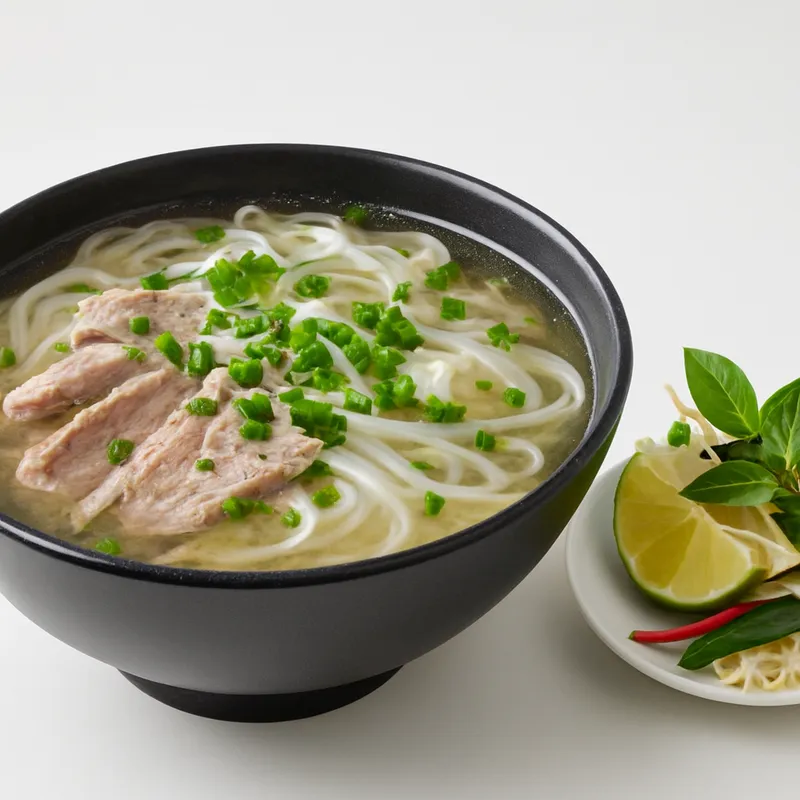
Pho
Pho is a defining dish of Vietnamese cuisine, built on its aromatic broth, tender rice noodles, and the interplay of fresh herbs and lime.
Pho offers a quintessential introduction to the delicate balance and depth of flavors in Vietnamese cooking.
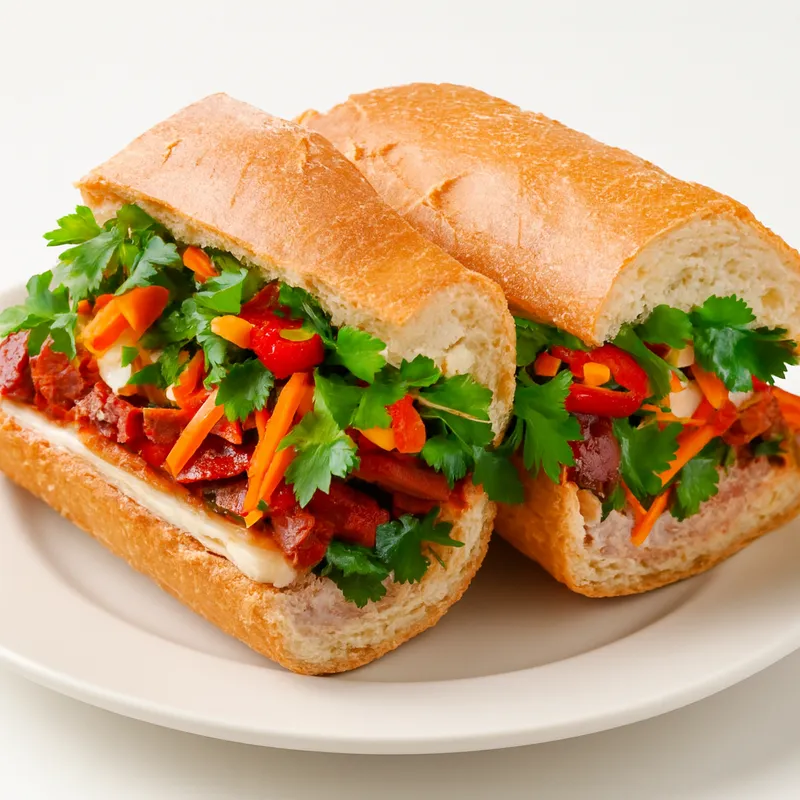
Banh Mi
Banh Mi is a perfect harmony of French influence and Vietnamese flair, with its crisp baguette filled with savory meats, pickled vegetables, and fresh cilantro.
Banh Mi is an ideal way to experience the fusion of cultures that defines modern Vietnamese cuisine.
Goi Cuon
Goi Cuon, or Vietnamese spring rolls, are all about freshness — translucent rice paper wrapping a fresh mix of shrimp, vermicelli, and greens.
Goi Cuon is a light, refreshing introduction to the clean flavors and textural contrasts of Vietnamese food.
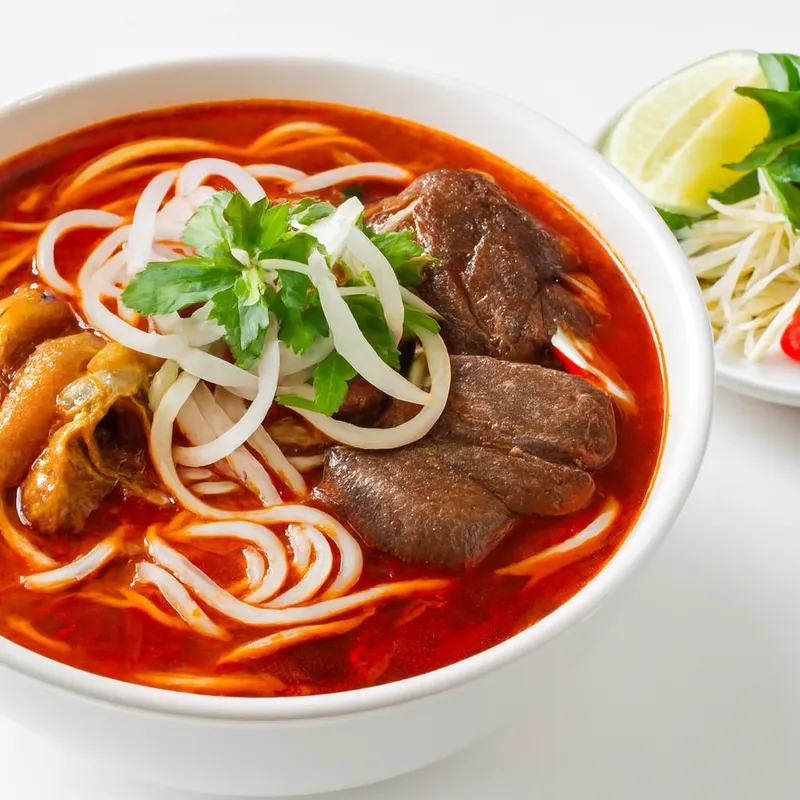
Bun Bo Hue
Bun Bo Hue is a spicy, flavorful soup from Central Vietnam, characterized by its bold broth, tender beef, and vermicelli noodles, reflecting the region's robust culinary style.
Bun Bo Hue introduces the spicy and complex flavors that are a hallmark of Central Vietnamese cuisine.
Cooking options
Food choices favor cuisine selections and manageable preparation; check each recipe before cooking.

The Pantry




See all 319 ingredients›
Proteins



Vegetables









Herbs & Spices




Grains & Staples





Dairy & Fats






Sauces & Condiments




Regional Kitchens
Three regional kitchens, from Hanoi to the Mekong Delta. Tap a region to see its table.
Saigon and the Mekong Delta — bánh mì, bánh xèo, hủ tiếu, cơm tấm. Sweeter, tropical, coconut-influenced; French-Vietnamese influence at its strongest.
Hanoi tradition — phở, bún chả, chả cá. Subtle, balanced, less spicy. Black pepper and fresh herbs over chili.
Royal palace inheritance from the Nguyễn dynasty — bún bò Huế, bánh khoái, bánh bột lọc, cao lầu. Tiny intricate dishes, spicier than the north.
How They Cook
Methods linked to dishes in this catalog
Pickling
Pickling is used to create sharp, tangy accompaniments that cut through the richness of grilled and fried dishes.
Poaching
Poaching gently cooks proteins, retaining their moisture and delicate flavors, particularly in soups and salads.
See 19 more techniques›
Steaming preserves the purity and natural flavors of ingredients, often used for delicate seafood dishes.
Marinating is key in Vietnamese cuisine for imbuing proteins with complex flavors before grilling or frying.
Roasting is used to caramelize meats and vegetables, enhancing their natural sugars and adding depth of flavor.
Blanching is used to achieve the vibrant color and tender-crisp texture of vegetables in Vietnamese salads.
Boiling is essential in Vietnamese cuisine for crafting clear, aromatic broths that serve as the foundation of many soups.
Grilling is used to draw out the natural sweetness and smokiness of meats, often paired with fresh herbs and dipping sauces.
Stir frying in Vietnamese cuisine is used for quick, high-heat cooking, preserving the vibrant colors and crisp textures of vegetables.
Simmering is a foundational technique in Vietnamese cooking, particularly for developing the deep flavors of broths and stews.
Sauteing quickly cooks ingredients in hot oil, preserving their texture and imparting a subtle flavor.
Braising is employed to infuse meats with deep flavors, often complemented by a mix of spices and aromatics.
Baking in Vietnamese cuisine often involves creating the perfect flaky crust for dishes like banh mi, where the bread is as crucial as the filling.
Related cuisines
Linked by ingredient records in this catalog