Vietnamese sweet dessert soup encompassing countless variations with beans, tapioca, coconut milk, and tropical fruits.


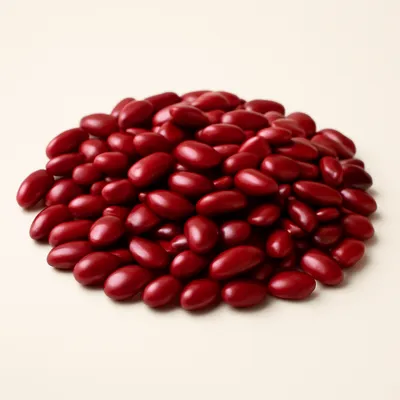

An umbrella term covering Vietnamese sweet soups that have evolved across the country since at least the 17th century — northern versions tend to be hot and minimal (che kho, che dau xanh), southern versions iced and elaborate (che ba mau, che chuoi). The category absorbed Cham, Khmer, and Chinese influences along the way, which is why pandan, palm sugar, and red bean appear together in a single bowl.
An umbrella term covering hundreds of sweet soups and puddings — bean, fruit, jelly, glass-noodle, taro, in coconut milk or pandan syrup. Hue's royal che (che hat sen long nhan) stuffs lotus seeds inside longans.
Served hot or iced, in a tall glass or small bowl — the category covers hundreds of variations. A common form: layers of mung-bean paste, black-eyed peas, tapioca pearls, jellies, and salty-sweet coconut cream poured over the top. You stir before eating to mix the sweet beans with the salted cream. Eat with a long spoon. The bean layer should still hold shape, not dissolve into the liquid.
The salt in the coconut cream is what most home versions get wrong. A pinch of salt added to the simmering coconut milk before it goes on top is what makes che taste finished rather than just sweet — the salt rounds the sugar, brings up the bean's earth, and keeps the mouth from going cloying after the third spoonful. Unsalted cream and the bowl flattens out by the end.
Variations
Che ba mau (three-color, mung-red bean-jelly with coconut); che thai (mixed fruit, jackfruit-heavy); che chuoi (banana-tapioca-coconut); che troi nuoc (glutinous-rice ball in ginger syrup); Hue royal vs Saigon street are the two poles.
On the Palate
Where Che sits in the Vietnamese flavor cloud
Salt the coconut milk before it goes on the bowl — a pinch rounds the sugar and lifts the bean's earthiness, which is the difference between che that tastes finished and che that just tastes sweet.
Ingredients


How it's made
5 steps · 35 min
- 120 min
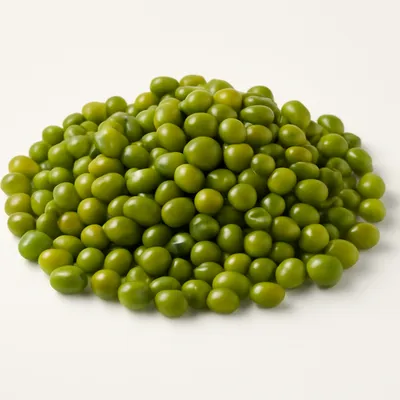
In a pot, combine mung beans with enough water to cover them by an inch. Simmer until the beans are tender and starting to break apart, about 20 minutes.
Watch outBeans are done when they mash against the pot with light pressure and some have burst open.
- 25 min
Stir in sugar and a pinch of salt, cooking until the sugar is fully dissolved and the mixture thickens slightly.
Watch outSugar fully dissolved and the mix coats the spoon slightly — that light body means the starch has thickened it.
- 35 min
In a separate saucepan, heat coconut milk gently until warmed through, but not boiling. Stir occasionally to prevent scorching.
Watch outCoconut milk should steam and shimmer at the edge but never bubble; pull it before it boils.
- 43 min
Combine the mung bean mixture with the warmed coconut milk, stirring gently to create a creamy consistency.
- 52 min
Serve warm or chilled, garnished with a drizzle of coconut milk and a sprinkling of cooked tapioca pearls for texture.
Watch outFinish with the salted coconut drizzle on top; it should taste savory-sweet, not one-note sugary.
Archive tool suggestions — not reviewed
These legacy suggestions have not been evidence-reviewed and are not presented as required tools.