Che bap is a warm Vietnamese sweet soup of young corn kernels lightly thickened with tapioca or glutinous rice and finished with a salted coconut-cream topping. It is a signature of the central coast, especially Hoi An and the island corn of Con Hen near Hue. The whole cob is simmered with the soup so its starch and aroma carry into the liquid, giving a milky, gently sweet pudding studded with tender kernels. It is eaten warm in cool weather or chilled over ice when the days are hot.
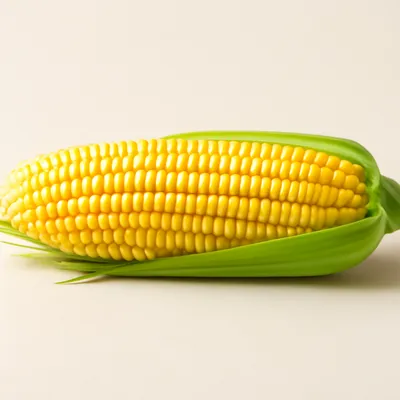
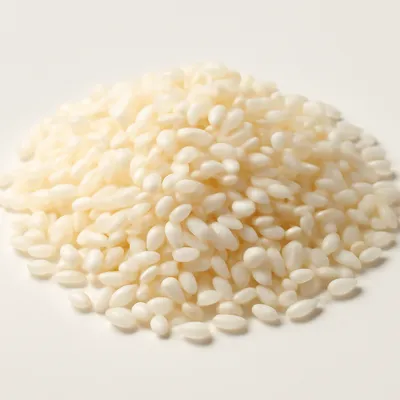


Che bap belongs to the family of Vietnamese che, the country's sweet soups and puddings, and is a documented specialty of the central coast around Hoi An and Hue. Its reputation rests on local corn, above all from Con Hen, a small islet in the Perfume River by Hue long prized for its sweet corn and for the clam dish com hen. There is no recorded inventor or founding date; like most che it is home and street food passed down by cooks. The dish is called che bap in the south and central regions and che ngo in the north, the two names simply being regional words for corn.
The first spoonful is loose and milky, warm rather than hot, sweet but never cloying. Whole corn kernels burst with a soft pop and a clean grassy sweetness, while the tapioca or rice gives the soup a faint cling that coats the spoon. The salted coconut cream poured on top streaks through in rich white ribbons, its salt sharpening the corn and cutting the sugar. A scatter of toasted sesame or peanut adds a quiet nutty crackle against the smooth pudding.
The natural sweetness comes from scraping the cob after cutting off the kernels and simmering both cob and milky scrapings in the water. The cob is rich in sugars and starch that leach out slowly, sweetening and thickening the soup without much added sugar. A small amount of tapioca starch or pre-soaked glutinous rice sets the body to a soft pudding while keeping the kernels distinct rather than mushy. The coconut topping is cooked separately with a pinch of salt and a little starch so it stays thick and glossy; the salt is the balancing point that keeps the sweet corn from tasting flat.
Variations
The soup is eaten two ways: warm in cooler weather and chilled over crushed ice in the heat, the chilled version sweetened a touch more to compensate. Some cooks thicken with tapioca starch or sago pearls for a clear, springy body, while others use glutinous rice for a heavier, porridge-like che bap that verges on a sweet congee. Northern cooks call the same dish che ngo. Toppings range from toasted sesame and crushed peanut to a pinch of pandan in the coconut cream for fragrance.
On the Palate
Where Che Bap sits in the Vietnamese flavor cloud
Ingredients
Serves 4

How it's made
8 steps · 40 min active + 20 min waiting
- 115 min
Cut the kernels off fresh corn cobs, then scrape the bare cobs to release the milky pulp.
- 220 min
Simmer the stripped cobs in water for about twenty minutes, then discard them to leave a sweet corn stock.
Watch outSimmer the scraped cobs a good twenty minutes before discarding — the sugars and starch leaching out are what sweeten and thicken the pudding.
- 320 min
Add the kernels and pre-soaked glutinous rice to the stock and simmer until the rice is tender.
- 45 min
Stir a tapioca-starch slurry into the soup and cook until it thickens to a loose pudding.
- 52 min
Sweeten to taste with sugar and a small pinch of salt, keeping the sweetness gentle.
- 68 min
Cook coconut milk separately with a little sugar, salt and starch until thick and glossy.
Watch outBalance the salted coconut topping so it stays savory against the sweet corn — the pinch of salt is what keeps the whole thing from tasting flat.
- 72 min
Ladle the warm corn pudding into bowls and spoon the salted coconut cream over the top.
- 82 min
Finish with toasted sesame or crushed peanut and serve warm, or chill and serve over ice.
Archive tool suggestions — not reviewed
These legacy suggestions have not been evidence-reviewed and are not presented as required tools.



