Tra atiso is the signature herbal infusion of Da Lat, the temperate highland town in Vietnam's central Lam Dong province. Unlike the West, which eats only the artichoke's fleshy flower bud, the Vietnamese brew the whole plant — flower heads, leaves, stems, and especially the bitter roots — dried and simmered into a tea, or boiled down further into cao atiso, a thick dark extract sold in jars and pressed cakes. The drink is taken hot or poured over ice, prized as a cooling, mildly bitter tonic believed to soothe the liver and aid digestion. Lightly sweetened with rock sugar, it is the cup most associated with Da Lat's flower-market stalls and tourist gift shops.
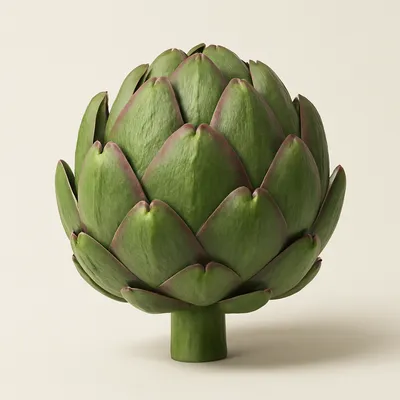


Artichoke (Cynara scolymus), a Mediterranean thistle, reached Vietnam with the French during the colonial era. After the physician Alexandre Yersin helped identify the Lang Bian plateau as a hill-station site in 1893, the French developed Da Lat from the 1910s onward as a cool retreat and an agricultural station for temperate European crops; the mountain climate, around 1,500 metres above sea level, suited vegetables that would not grow in the tropical lowlands. Artichoke took hold here in the first half of the 20th century, and Da Lat in Lam Dong became Vietnam's artichoke capital. Sources differ on the exact planting year — some cite the 1930s or 1940s — so the introduction is best dated to the French colonial period rather than a single year. Vietnamese growers, valuing the plant as much for medicine as for food, turned its leaves and roots into a herbal tea, and the dark boiled-down extract cao atiso became a regional specialty.
In the cup it pours a deep amber-to-brown, like weak coffee or strong black tea, with a faintly grassy, vegetal smell. The first taste is gently bitter — the green, slightly medicinal bitterness of artichoke leaf rather than the sharp astringency of tea tannin — and it finishes clean with a cooling sweet aftertaste once rock sugar is added. The mouthfeel is light and watery, never thick unless brewed from concentrated cao atiso, which lends a darker, more roasted, almost molasses-like depth. Iced, it drinks like a soft herbal soda without the fizz; hot, it is mellow and comforting.
The bitter, liver-tonic reputation rests on the plant's caffeoylquinic acids — chiefly cynarin (a di-caffeoylquinic acid) and chlorogenic acid, concentrated in the leaves — together with the bitter sesquiterpene lactone cynaropicrin. These compounds are water-soluble, so a long, gentle simmer rather than a quick steep is needed to draw them, along with colour, out of the tough dried stems and roots; the brown hue comes from oxidised polyphenols. Boiling the infusion down for hours evaporates the water and reduces it to cao atiso, a concentrated extract in which sugars caramelise slightly, deepening both colour and flavour. Cynarin is choleretic — it stimulates bile flow — which underlies the traditional use as a digestive and liver tonic, though the everyday cup is taken simply as a cooling drink.
Variations
The simplest form is loose dried artichoke — leaves, stem and root chopped together — boiled at home; commercial tea bags offer a faster, milder cup. Cao atiso, the boiled-down extract, is dissolved in hot or cold water for a stronger, sweeter drink and is also taken by the spoonful as a tonic. Vendors often blend artichoke with other Da Lat herbs such as pandan, licorice root, or chrysanthemum to round off the bitterness, and many add rock sugar or honey. Beyond the drink, the fresh flower heads are simmered with pork ribs into a sweet, restorative soup, a Da Lat home-kitchen staple in its own right.
On the Palate
Where Tra Atiso sits in the Vietnamese flavor cloud
Ingredients
Serves 4How it's made
6 steps · 10 min active + 2 hours waiting
- 12 min
Rinse the dried artichoke pieces briefly under cool water to remove dust.
- 25 min
Bring water to a boil in a pot, then add the dried artichoke and any pandan or licorice.
- 3120 min
Lower the heat and simmer gently for about two hours, until the liquid turns deep amber-brown.
Watch outSimmer gently for about two hours until the liquid turns deep amber-brown — the bitter, tonic compounds are water-soluble and only a long, slow draw pulls them from the tough stems.
- 44 min
Stir in rock sugar to taste and simmer a few more minutes until it dissolves.
- 52 min
Strain out the solids and discard the spent plant material.
- 63 min
Serve the tea hot, or cool it and pour over ice for a chilled drink.
Archive tool suggestions — not reviewed
These legacy suggestions have not been evidence-reviewed and are not presented as required tools.


