
Whole giant gourami (the «elephant ear» fish) deep-fried until skin is shattering-crisp and puffed, served stood upright on the platter; flesh torn into rice-paper rolls with vermicelli, herbs, and sweet fish sauce.
Ca Tai Tuong Chien Xu is a Mekong Delta tourist-restaurant signature, especially in My Tho and Vinh Long where giant-gourami farming is industrial. The fish itself is native to Southeast Asian rivers and is called «tai tuong» (elephant ear) for the wide flat body. The whole-fish-standing presentation became a regional convention in the 1990s as river-tour boat restaurants competed on visual drama; the dish is now expected on every Mekong-tour set menu. It is a young tradition, not a deep one.
Mekong-delta tourist-restaurant signature, especially in My Tho and Vinh Long. The whole-fish-standing presentation is a 1990s convention from river-tour boat restaurants, not a deep tradition. Two-stage frying — 170°C through, 190°C crisp — is what puffs the scales.
Visual first: a whole bronze fish standing 30cm tall on the platter, skin armoured in puffed scales like a pinecone. Tap one and it crackles. The skin shatters in the mouth like fried rice paper, faintly sweet. The flesh underneath is the surprise — pure white, almost steamed-soft, fish-clean. The trick of the dish is the contrast in one bite: shattering skin, soft flesh, cool herb, slippery vermicelli, sweet-sharp dip. A bad version has limp skin (not dried enough before frying) or a fishy aftertaste (gourami can taste muddy if not bled and rinsed).
The puffed-scale effect is what makes this dish. It depends on two precise steps: scoring the skin (so steam escapes through the cuts and lifts each scale outward instead of bursting the skin) and air-drying the surface (skin moisture would steam off into vapour and prevent the puffing). Two-stage frying is also standard: first at 170°C to cook through, then at 190°C to crisp the exterior. Single-stage at high heat would either burn the skin before the flesh is cooked or, if dropped to lower heat, give greasy flabby skin.
Variations
My Tho and Vinh Long boat restaurants run the standard tableside presentation; Cai Be floating-market kitchens lean sweeter on the dipping sauce; Saigon high-end restaurants like Ngon 138 plate it deboned; some delta home cooks substitute red tilapia (cá điêu hồng) when gourami is unavailable.
On the Palate
Where Ca Tai Tuong Chien Xu sits in the Vietnamese flavor cloud
Ingredients
Serves 4





How it's made
6 steps · 30 min active + 10 min waiting
- 135 min
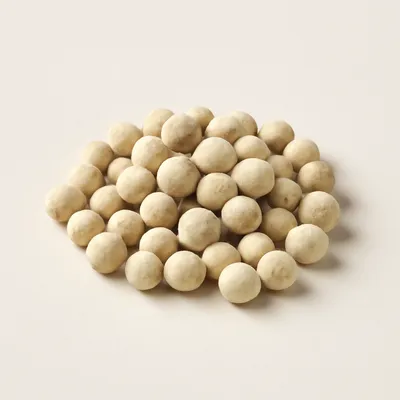
Buy 1 whole giant gourami (ca tai tuong), 800g-1.2kg, alive if possible. Scale, gut, rinse. Score skin diagonally on each side, 5 cuts, 5mm deep. Rub 1 tsp salt and pinch of white pepper across body and inside cavity. Air-dry on a rack 30 minutes — dry skin is non-negotiable for crisping.
Watch outCut 5 clean slashes each side and dry the skin on a rack a full 30 minutes until it feels tacky, not wet — surface moisture just steams off and the scales stay flat instead of puffing.
- 25 min
Heat 2L neutral oil in a wok to 170°C. Bend the fish slightly into a curve and skewer through tail and behind head with two bamboo sticks to lock the pose — this gives the upright «standing» plating.
- 39 min
Lower fish into oil head-first using a wide skimmer; ladle hot oil continuously over any exposed surface. Fry 8 minutes — skin tightens, scales puff outward like fins. Carefully turn once.
Watch outSlide the fish in head-first at 170°C and keep ladling hot oil over the back — in about 8 minutes the scales lift and flare outward like little fins.
- 43 min
Raise oil to 190°C; refry 2 minutes for final crackle. Lift, drain on a rack vertically, removing skewers. The skin should crackle audibly when tapped.
Watch outPush the oil to 190°C for a final 2 minutes — the skin is ready when a tap gives a dry, audible crackle.
- 55 min
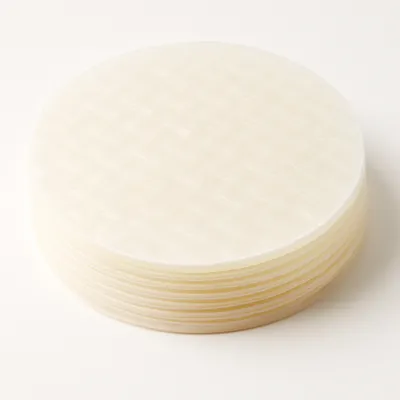
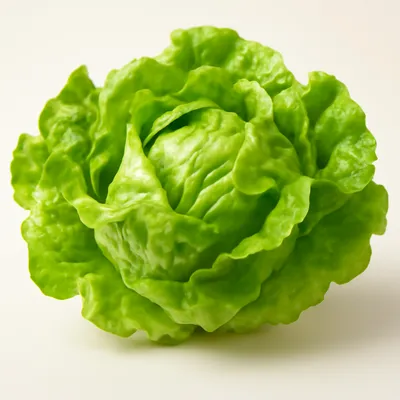
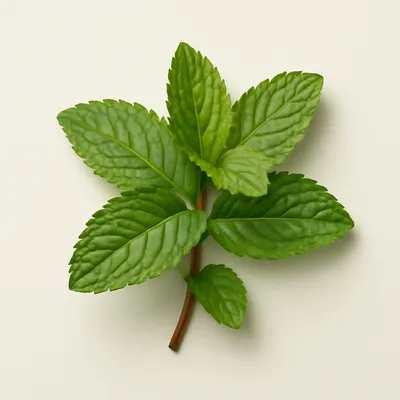
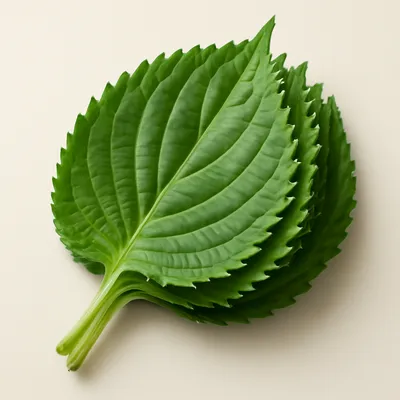
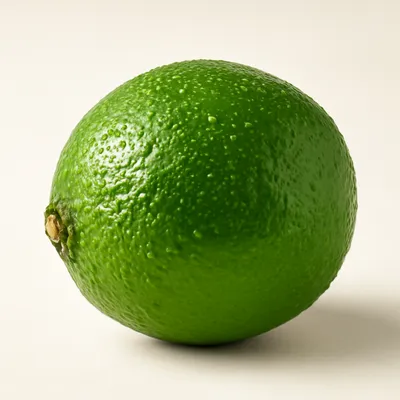
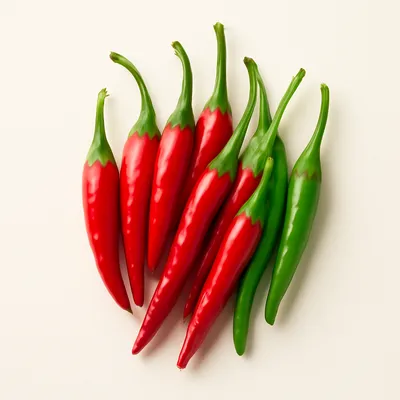
Stand fish upright on a platter (use a small bowl as base if needed). Surround with rice-paper sheets, fresh rice vermicelli, lettuce, mint, perilla, rau ram, cucumber, sliced green mango. Mix sweet fish-sauce dip: 4 tbsp fish sauce, 4 tbsp sugar, 4 tbsp lime juice, 4 tbsp water, garlic, chili.
- 62 min
At table: pull a piece of skin and a chunk of flesh; lay on a softened rice-paper sheet with vermicelli and herbs; roll tight; dip in sweet fish sauce. Skin and flesh are eaten together — never separated.


