
Goi ngo sen is a Mekong-delta dish that uses the tender new shoots of the lotus plant — ngo sen — which look like pale-green hollow tubes. Lotus is grown for its seeds, root and leaf throughout southern Vietnam, and the stem is the by-product that became its own delicacy in Sa Dec and Long An provinces. Most preparations today use jarred pickled stem because fresh ngo sen oxidises within hours of cutting. The shrimp-and-pork combination is the standard Saigon restaurant version; rural cooks may add roast duck or rare beef.
Mekong lotus-stem salad — the crunch comes from aerenchyma, the same air-channel network that lets the lotus root oxygen down through mud. Pickled jarred ngo sen (Sa Dec, Long An) is the standard now because fresh shoots oxidize within hours. Two rinses max — more washes out the acid carrier.
The lotus stem is the trick — hollow, slightly translucent, with a wet crunch closer to celery's cousin than any leaf. Shrimp and pork sit on top of that crunch, peanut adds the only fat in the bowl, and rau ram brings its peppery edge. The dressing is bright but not aggressive — pickled lotus stem already carries acidity, so the lime is dialled back a notch. Eaten with a prawn cracker, the bite goes shatter, then snap, then soft.
Lotus stem's crunch comes from its aerenchyma — a network of air channels that runs the length of the plant, the same structure that lets the lotus root oxygen down to its roots in mud. When you bite, the air pockets collapse one row at a time, producing a layered crunch that doesn't go limp under dressing the way cucumber does. Pickling lightly fixes pectin in the cell walls, so jarred ngo sen stays crisp for months. Over-rinsing washes out the acid carrier — two rinses, no more.
Variations
Saigon-restaurant standard pairs with shrimp and poached pork belly; rural Mekong cooks use roast duck or rare beef; northern adaptations sometimes use very young lotus stems fresh, which oxidize in the bowl and require immediate eating.
On the Palate
Where Goi Ngo Sen sits in the Vietnamese flavor cloud
Ingredients
Serves 4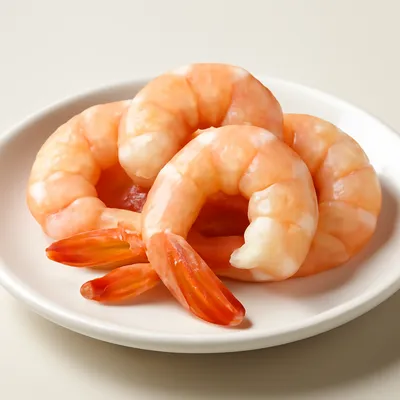







How it's made
5 steps · 25 min active + 10 min waiting
- 18 min
Drain 400g pickled young lotus stems (ngo sen, sold in jars in brine). Rinse twice in cold water to lift the brine, then soak 5 minutes. Squeeze gently and cut into 5cm lengths. They should still snap audibly.
Watch outRinse only twice, no more — over-washing strips the acid that keeps them crisp; they should still snap out loud when you cut.
- 26 min
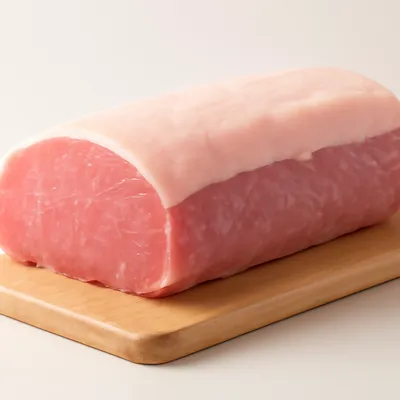
Poach 200g peeled shrimp at 80°C for 90 seconds. Slice 150g cooked pork loin or shoulder into 3mm-thin pieces. Cool both in the fridge while you build the dressing.
Watch outPoach the shrimp gently at 80 degrees for 90 seconds — just till they curl and turn opaque; a hard boil makes them rubbery.
- 33 min
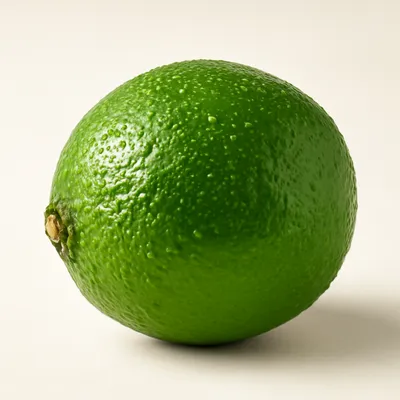
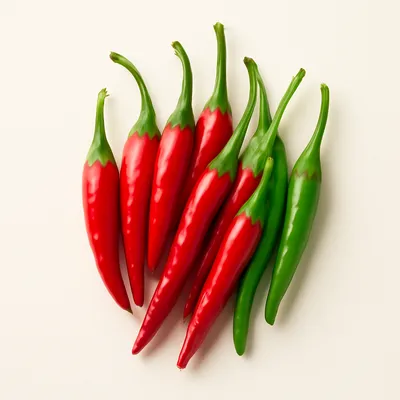
Whisk nuoc cham: 3 tbsp nuoc mam (fish sauce), 3 tbsp lime juice, 2 tbsp sugar, 80ml warm water, 1 minced garlic clove, 1 minced bird's-eye chilli. Taste — should land salty first, sour second, sweet third.
Watch outAdjust the sugar if the dressing is too salty; it should balance the flavors.
- 43 min
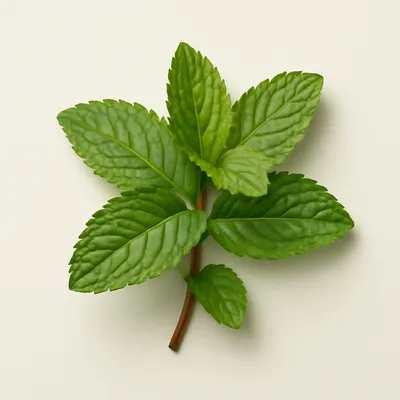
In a wide bowl combine lotus stem, shrimp, pork, 2 tbsp shredded carrot, a generous handful of torn rau ram (Vietnamese coriander) and a few mint leaves. Pour over two-thirds of the dressing. Toss with hands for 30 seconds — don't crush the stems.
Watch outToss with your hands, lightly — you want to coat the stems, not crush them; the whole point is that layered crunch.
- 52 min
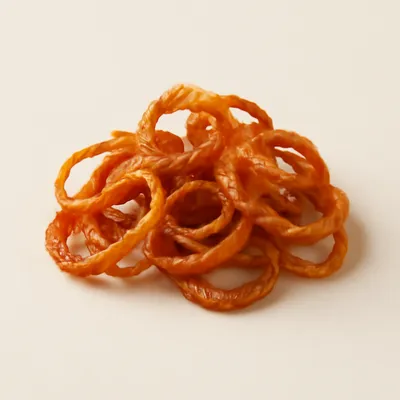
Plate; scatter 3 tbsp coarse-crushed roasted peanut and 2 tbsp fried shallot on top. Serve remaining nuoc cham on the side with prawn crackers (banh phong tom) for scooping.
Archive tool suggestions — not reviewed
These legacy suggestions have not been evidence-reviewed and are not presented as required tools.


