
Shredded green papaya tossed with poached shrimp, sliced pork belly, roasted peanut, rau ram and Thai basil, dressed in nuoc cham — Vietnam's lighter, sweeter cousin to Thai som tum.
Goi du du is the Southern Vietnamese green papaya salad — a cousin of Thai som tum and Lao tam mak hoong, but its identity is set by nuoc cham rather than fish-sauce-with-fermented-crab, and by the addition of poached shrimp and pork belly. The dish is street-food and home-table both: papaya is plentiful in the Mekong delta, and the cold-shred preparation suits the Saigon climate. Versions further north add jerky-like dried beef (kho bo) instead of pork; the southern shrimp-and-pork combination is the most familiar export.
Mekong green-papaya salad — cousin to Thai som tum, but built on nuoc cham (3-3-2-100 fish sauce/lime/sugar/water ratio) instead of fish-sauce-with-fermented-crab. The 10-minute salt-press pulls 20-30% of the papaya's water and sets the cell walls so it stays crunchy under dressing.
Cool, crunchy threads with a snap that survives the dressing. The papaya itself is almost flavorless raw — it carries the nuoc cham. Shrimp is plump and barely-set, pork belly is soft and faintly fatty. Rau ram cuts in with a peppery-cilantro bite that's sharper than regular cilantro; peanut and fried shallot land last. Compared to Thai som tum: less chilli heat, no dried shrimp pungency, and a clear sweet edge from the dressing. Should be eaten within 10 minutes before the salt pulls more water out.
The salt-and-press step is load-bearing: green papaya is full of latex sap and water, and unsalted shred goes mushy under dressing within minutes. A 10-minute salt cure draws out 20-30% of its water, sets the cell walls, and lets the papaya stay crunchy after the nuoc cham hits. Nuoc cham itself is a 3-3-2-100 ratio (fish sauce : lime : sugar : water in tablespoons/ml) — the water dilution is what separates Vietnamese dressings from Thai ones, which sit much more concentrated.
Variations
Saigon shrimp-and-pork is the standard urban version; Hue and central versions add jerky-style dried beef (kho bo); Thai som tum cousins use dried shrimp and palm sugar with much less water in the dressing — a stronger, more concentrated dressing register.
On the Palate
Where Goi Du Du sits in the Vietnamese flavor cloud
Ingredients
Serves 4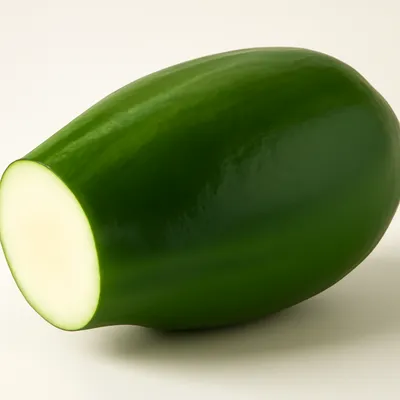








How it's made
5 steps · 25 min active + 5 min waiting
- 112 min
Peel 1 medium green papaya (about 600g). Shred on a julienne grater into 2mm threads. Toss with 1 tsp salt, let sit 10 minutes, then squeeze out the bitter water and rinse once. Pat dry — texture should snap when bent.
Watch outAfter the salt cure, bend a shred — it should snap crisp; if it flops limp it hasn't given up enough water and will weep and go soggy under the dressing.
- 26 min
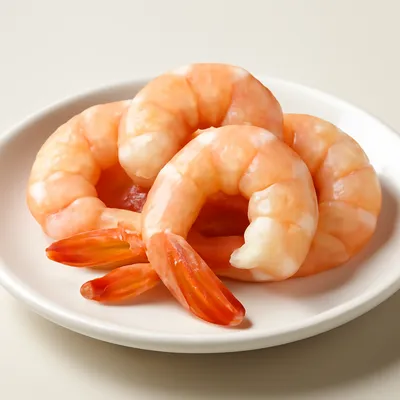
Poach 200g peeled shrimp in lightly salted water at 80°C for 90 seconds — they should curl into a loose C, not a tight O. Lift out, halve lengthwise. Slice 200g pre-cooked pork belly into 2mm-thin pieces.
Watch outPull the shrimp the moment they curl into a loose C — if they clench into a tight ring they're overcooked and rubbery; the low water keeps them just done and tender.
- 33 min
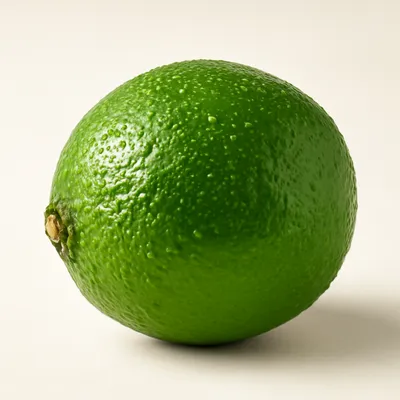
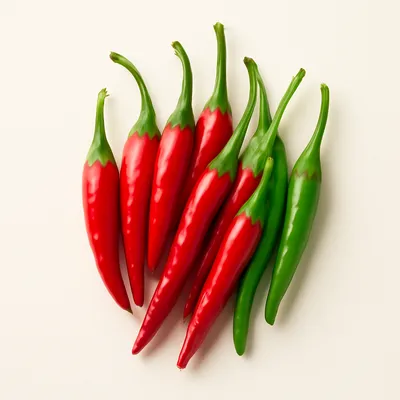
Whisk nuoc cham: 3 tbsp nuoc mam (fish sauce), 3 tbsp lime juice, 2 tbsp sugar, 100ml warm water, 1 minced bird's-eye chilli, 1 minced garlic clove. Sugar must fully dissolve — taste should land salty-sour-sweet in that order.
Watch outWhisk the nuoc cham until the sugar fully dissolves, then taste — it should land salty, then sour, then sweet in that order; gritty sugar means it's not ready.
- 42 min
In a wide bowl combine papaya, shrimp, pork, a small handful of torn rau ram (Vietnamese coriander) and Thai basil, plus 2 tbsp shredded carrot for colour. Pour over half the dressing and toss with hands for 30 seconds — the papaya should slack slightly.
- 52 min
Plate, top with 3 tbsp roasted peanut crushed coarse, fried shallot, more torn herbs. Serve the remaining nuoc cham at the table — Vietnamese diners adjust per bite. Eat within 10 minutes before the papaya weeps.
Watch outServe immediately to prevent the papaya from becoming too watery.
Archive tool suggestions — not reviewed
These legacy suggestions have not been evidence-reviewed and are not presented as required tools.


