Mien luon is a Hanoi specialty most associated with the small alley shops around Hang Dieu and Chan Cam streets in the Old Quarter. The dish historically used rice-paddy eels caught in the rice fields surrounding the Red River Delta — abundant and free, which is why mien luon was originally a working-class breakfast. There are three principal forms: the soup version (mien luon nuoc), a dry noodle version (mien luon tron) tossed with the eel and crispy shallot, and the stir-fry (mien luon xao) where the noodles are wok-tossed with eel and onion.
Hanoi Old Quarter alley food — Hang Dieu and Chan Cam streets — built on rice-paddy eels that used to be free. The broth runs cinnamon-and-clove, not star anise. That's what makes it Northern.
Two textures collide: glass noodles soft and slithery in hot broth, eel strips shatter-crisp on top, staying audibly crunchy for the first three or four bites before the broth softens them. The broth itself is unusual for a Vietnamese noodle soup — cinnamon-and-clove sweet, closer to bun bo Hue's spice profile than to pho. Eel meat is sweet and firm, the fry batter peppery from turmeric and shallot. A bowl reads luxurious because eel is now expensive — Hanoi grandmothers will tell you it used to be peasant food.
Two tricks make this dish work. First: the eel must be steam-cooked first, then fried — single-stage frying leaves the inside slimy. The pre-steam sets the protein, and the second fry crisps the surface without overcooking the centre. Second: the broth uses cinnamon and clove rather than star anise, which is what gives it its distinctly Northern flavour signature versus the more star-anise-forward Southern broths.
Variations
Mien luon nuoc is the soup version; mien luon tron tosses the noodles dry with crispy shallot; mien luon xao stir-fries everything in the wok — same eel, three completely different dishes.
On the Palate
Where Mien Luon sits in the Vietnamese flavor cloud
Ingredients
Serves 4









How it's made
5 steps · 50 min active · 25 min waiting
- 125 min
Clean 600g whole rice-paddy eels: rub with coarse salt to remove slime, slit and remove guts. Steam 10 minutes until just cooked through. Strip the flesh in long fillets and reserve the bones.
- 250 min
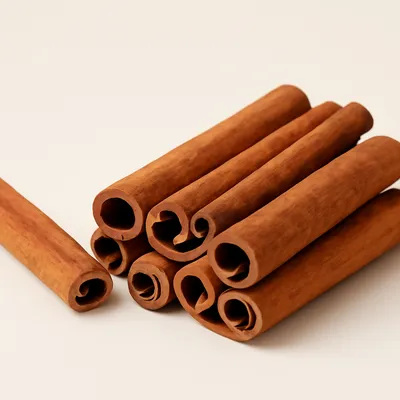
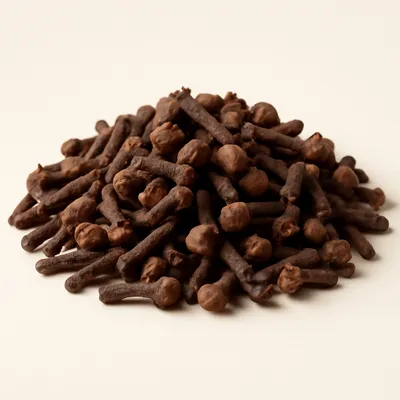
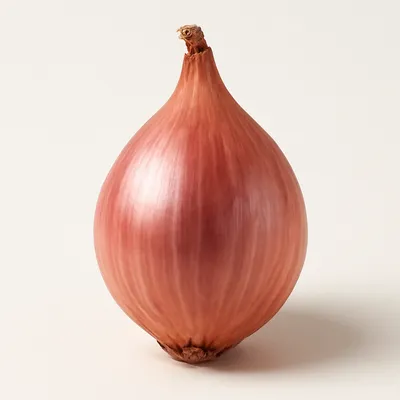
In a stockpot, simmer eel bones, 1 charred onion, 1 charred 5cm ginger piece, 1 cinnamon stick, 4 cloves, and 2L water for 45 minutes. Strain. Season with 2 tbsp fish sauce and 1 tsp salt. The broth should be amber, faintly cinnamon-aromatic, not muddy.
Watch outEnsure the broth does not boil too vigorously to avoid cloudiness.
- 38 min
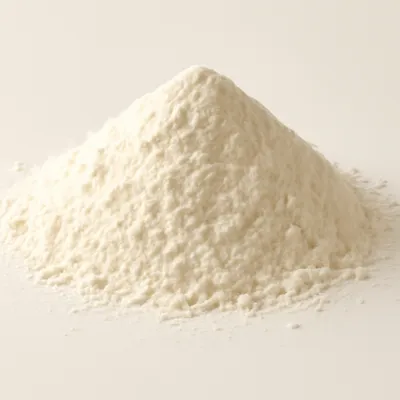
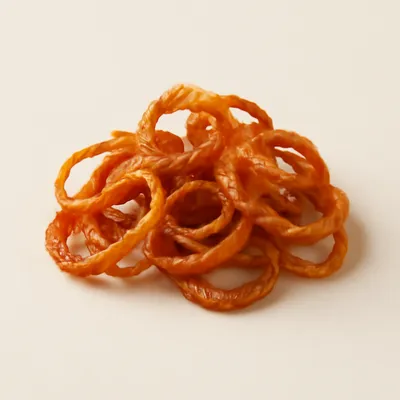
Cut eel fillets into 5cm strips. Marinate 10 minutes in 1 tbsp fish sauce, 1 tsp turmeric, 1 tsp sugar, 1 minced shallot. Dust lightly with rice flour. Deep-fry at 180°C for 3-4 minutes until deeply golden and crisp. Drain.
Watch outMonitor oil temperature closely; too hot can burn the coating before the eel cooks through.
- 46 min
Soak 200g mung-bean glass noodles 10 minutes in cool water; drain. Blanch 30 seconds in boiling water, drain, divide between 4 deep bowls. Top with crispy eel, blanched bean sprouts, sliced fried shallot, sliced spring onion, and torn rau ram.
- 51 min
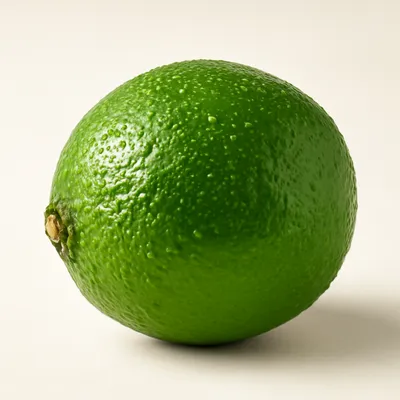
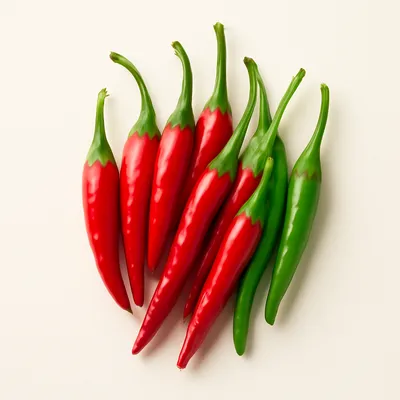
Pour boiling-hot broth over the bowls, just enough to half-submerge the noodles. Serve with lime wedges, sliced bird-chile, and a small dish of pickled garlic on the side.