
Thanh Tri-village version of bánh cuốn: paper-thin steamed rice-flour sheets served unfilled, layered with cha lua (pork sausage), crisp fried shallot, and nuoc cham on the side.


Thanh Tri is a southern district of Hanoi historically known for its rice-paper crafts; the village's bánh cuốn dates at least to the early 20th century and was sold from carrying-pole baskets to morning markets. Standard bánh cuốn rolls a wood-ear-mushroom-and-pork filling inside the steamed sheet; the Thanh Tri variant deliberately omits filling so the thinness of the sheet itself can be judged — it is the maker's calling card. Hanoi food writer Vu Bang singled it out in his 1950s essays on Northern street food.
Vu Bang singled it out in his 1950s essays. The Thanh Tri version skips the wood-ear-pork filling on purpose — a 1mm sheet steamed on stretched cloth in 30 seconds is the maker's whole resume.
Pearl-translucent sheets so thin you can read newsprint through them, eaten cool-warm rather than piping hot. The texture is the point — slippery, almost gelatinous, with a faint rice sweetness and a sheen of oil. A pinch of crisp fried shallot and a slice of cha lua go on top; you dip each fold in nuoc cham. The Thanh Tri version skips the wood-ear-and-pork filling of standard banh cuon — it lets the sheet itself be the dish. Done well, the sheet feels like silk; done poorly, it tears or feels gluey.
The cloth-top steamer is load-bearing. Spreading the batter on a hot ceramic or metal surface gives a sheet that's too thick at the centre; the porous tightly-stretched cloth lets steam pass through evenly so a 1mm film cooks uniformly in 30 seconds. Tapioca starch (15% by weight of rice flour) adds the slippery, slightly elastic quality — without it the sheets are brittle. The 3-hour rest is non-negotiable: rice flour granules need that long to fully hydrate, and unrested batter steams into a chalky sheet.
Variations
Banh cuon nhan thit is the standard filled version with pork and wood-ear; banh cuon trung wraps a soft-cooked egg inside; banh cuon Phu Ly (Ha Nam province) is thicker, served with chargrilled pork patties on the side.
On the Palate
Where Banh Cuon Thanh Tri sits in the Vietnamese flavor cloud
Ingredients
Serves 4



How it's made
7 steps · 1 hour active + 3 hours waiting
- 15 min
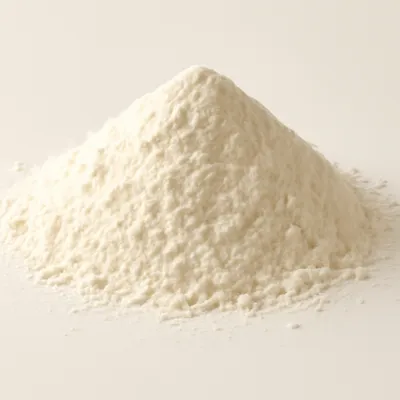
Whisk 200g rice flour, 30g tapioca starch, 1 tsp salt, 1 tbsp neutral oil with 700ml water. Rest 3 hours at room temperature — this hydrates the rice flour and gives the sheets their pliability.
Watch outDon't rush the 3-hour rest — the batter has to run off the ladle like thin cream; unrested, it steams into a chalky, brittle sheet.
- 25 min
Set up a steamer with a wide pot of boiling water; stretch a tightly drawn piece of cotton muslin over the rim and tie. The cloth top is the cooking surface.
- 31 min
Brush oil on the cloth. Ladle 60ml batter and swirl into a 20cm thin disc. Cover with a domed lid; steam 30 seconds — the sheet turns translucent and bubbles up.
Watch outSteam just 30 seconds — pull the sheet the instant it turns translucent and bubbles up; overcook it and it toughens and tears on the lift.
- 430 min
Slide a thin bamboo or wood spatula under the sheet and lift onto an oiled tray. Brush the top lightly with oil. Repeat for all batter. Stack with oiled parchment between layers so they don't fuse.
Watch outBrush every sheet with oil and slip oiled parchment between the stack — skip it and the sheets fuse into one lump you can't peel apart.
- 58 min
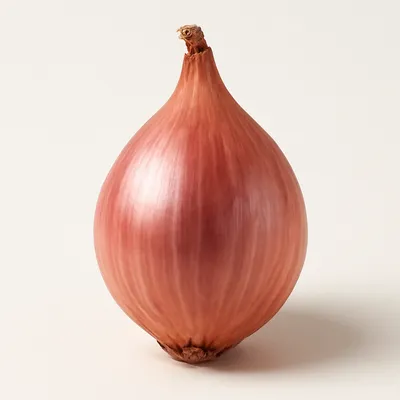
Slice 200g cha lua (Vietnamese steamed pork sausage) into 5mm batons. Fry 4 thinly sliced shallots in 100ml oil over medium until deep gold and crisp, about 6 minutes — drain on paper.
Watch outEnsure the oil is hot enough to achieve crispness without burning the shallots.
- 63 min
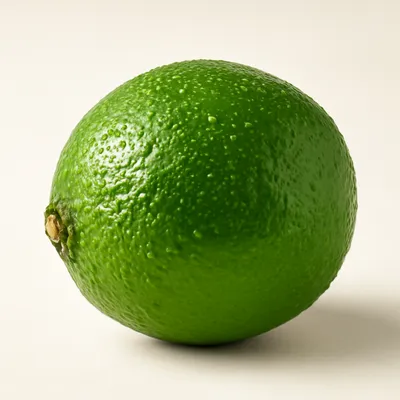
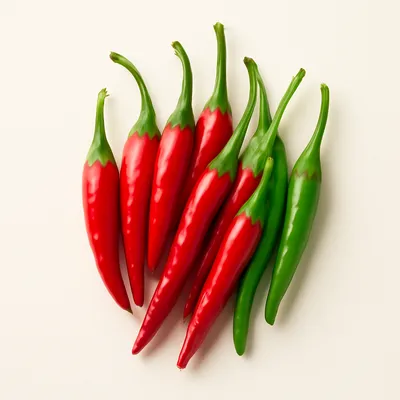
For nuoc cham: mix 4 tbsp fish sauce, 4 tbsp warm water, 2 tbsp sugar, 2 tbsp lime juice, 1 minced garlic clove, 1 sliced bird's-eye chilli. Taste — salt, sweet, sour should be balanced.
Watch outAdjust the sugar and lime juice to ensure a balanced flavor profile.
- 75 min
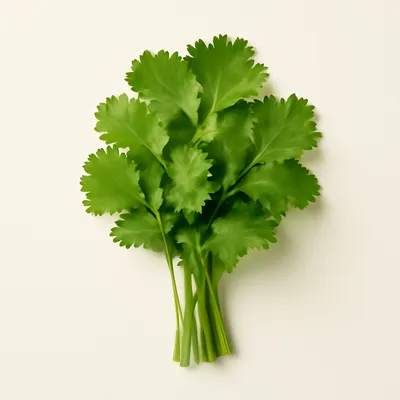
On each plate: drape 4-5 unfilled sheets in loose folds (Thanh Tri style — the sheets are NOT rolled around filling, unlike standard banh cuon). Top with cha lua batons, a heavy pinch of fried shallot, and torn coriander. Serve nuoc cham in a small bowl alongside.
Archive tool suggestions — not reviewed
These legacy suggestions have not been evidence-reviewed and are not presented as required tools.


