Vietnamese pork floss — pork shoulder slow-braised in fish sauce and sugar, then shredded fine and dry-fluffed in a wok until cotton-light; eaten with banh mi, xoi, and congee.



Cha bong is the Vietnamese version of dry pork floss — the technique came from Chinese rou song (肉松), which originated in Fuzhou, Fujian via 19th- and 20th-century Chinese migration into northern Vietnam, particularly Hanoi and Hai Phong. The Vietnamese adaptation swaps soy sauce for fish sauce as the primary seasoning, which gives it a sharper, less sweet profile than the Chinese version. It's a kitchen-staple side: in northern households a jar of cha bong sits on the shelf for breakfast xoi, banh mi, and feeding children with congee.
Vietnamese pork floss — the technique came from Cantonese rou song (肉松) via 19th- and 20th-century Chinese migration into Hanoi and Hai Phong. The Vietnamese swap is fish sauce for soy, which sharpens it and cuts sweetness. Two non-obvious details: shred along the grain (cross-cut clumps), and dry-fluff under 100°C — over that, fish-sauce sugar caramelizes and the floss browns instead of drying.
Pale-gold cottony threads, weightless, that compact when you press a spoonful into a banh mi but loft up again on the tongue. The flavour is concentrated pork mixed with the umami salt of fish sauce, faintly sweet, with a haunting back-of-throat funk from the long braise. On a hot bowl of plain congee or sticky xoi, a tablespoon dissolves into the steam; on a banh mi it adds the savoury layer that makes a Vietnamese sandwich shop's version distinct from a French casse-croûte.
Two non-obvious details: shred direction and dry-fluff temperature. Shredding along the grain gives long, parallel fibres that fluff cleanly; cross-cut shredding gives short stubs that clump. The dry-fluff in the wok must be on the lowest flame — over 100°C the sugar in the fish sauce caramelizes and the floss browns instead of drying. Thirty minutes of patient stirring at low heat is what separates feather-light cha bong from greasy, dense pork crumb.
Variations
Northern Hanoi/Hai Phong original sits on banh mi and xoi; Saigon version runs sweeter; Chinese rou song uses soy and finishes denser; Taiwanese rousong adds black sesame; the chicken floss (cha bong ga) and fish floss (cha bong ca) variants use the same dry-fluff method.
On the Palate
Where Cha Bong sits in the Vietnamese flavor cloud
Ingredients
Serves 12How it's made
5 steps · 1 hour active + 2 hours waiting
- 15 min
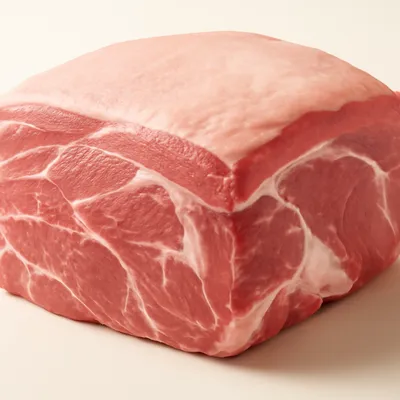
Take 800g pork shoulder, trim excess fat (some fat is needed but too much makes the floss greasy). Cut along the grain into 5cm-thick logs.
- 290 min
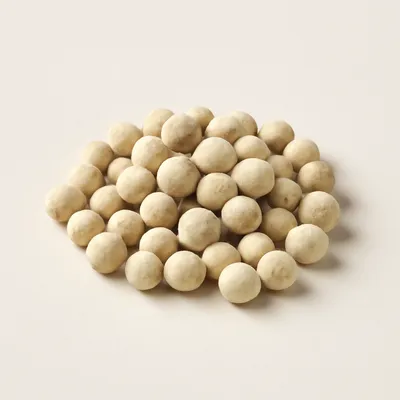
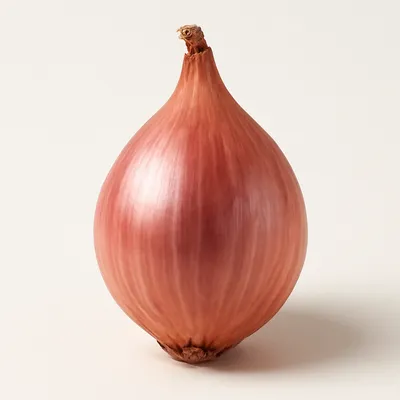
In a heavy pot combine pork, 4 tbsp fish sauce, 2 tbsp sugar, 1 tbsp white pepper, 4 smashed garlic cloves, 1 small crushed shallot, water to barely cover. Bring to a simmer and cook covered at 90°C for 90 minutes — meat must be fork-tender but not mushy.
Watch outBraise at a bare simmer until the pork pulls apart at a fork but still holds its shape — boil it to mush and the fibres won't shred into clean threads.
- 315 min
Lift the pork out, reserve 50ml of the cooking liquid. Cool the meat 15 minutes — too hot and the fibres break wrong; too cold and they go rubbery.
- 425 min
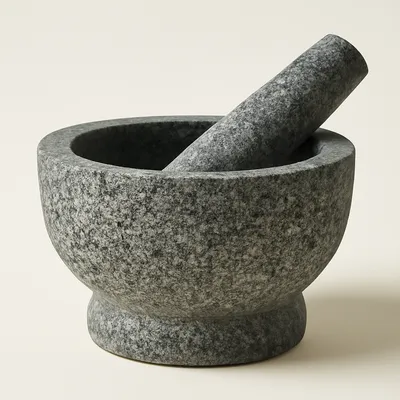
Shred the pork by hand along the grain into the finest threads you can manage — this is tedious and load-bearing. A mortar pounded gently or two forks will work, but hand-tearing gives the silkiest texture. Do not pulse in a food processor — it turns to paste.
Watch outTear the pork by hand along the grain into the finest threads — go with the grain and the fibres come apart long and silky; never blitz it in a processor or it turns to paste.
- 530 min
Heat a dry wide wok over the lowest possible flame. Add the shredded pork and the reserved 50ml braising liquid. Stir constantly with chopsticks for 25-30 minutes — the meat dries out, fluffs up, and turns pale gold. Stop when it's bone-dry and feathery to the touch. Cool fully before storing in an airtight jar.
Watch outKeep the wok on the lowest possible flame and stir without stopping — let it get too hot and the fish-sauce sugar caramelizes and the floss browns instead of drying to pale, feather-light gold.
Archive tool suggestions — not reviewed
These legacy suggestions have not been evidence-reviewed and are not presented as required tools.