
Flat banana-leaf-wrapped rice-flour cake with a thin shrimp-and-pork filling, steamed and unwrapped at the table, dipped in nuoc mam — a Hue street-food parcel eaten warm.
Banh nam belongs to the Hue royal-and-folk tradition of palm-leaf-wrapped steamed cakes — a category that includes banh la, banh it, banh beo, and others, all developed when Hue was the Nguyen-dynasty capital (1802-1945). The name is widely traced to Nam Pho village on the Perfume River near Hue, a rice-craft village since the 16th century whose women hawked the cakes across the city; the rectangular flat form distinguishes it from banh it's pyramid and banh beo's saucer-cup. It became a daytime street food and remains a Hue specialty rarely found done correctly outside the central provinces.
Hue palm-leaf-wrapped steamed cake from the Nguyen-dynasty capital era (1802-1945). Pre-cooked batter is the load-bearing step — banh beo steams raw batter in a saucer; banh nam needs cooked paste before wrapping or it spreads into a puddle inside the leaf. Banana leaf at 100°C releases water-soluble aromatics into the cake.
You unwrap a still-steaming green packet to find a soft white rectangle the thickness of a pancake, a thin pink seam of shrimp and pork running down its centre. The leaf has dyed the surface faintly translucent green and given the whole thing a tea-grass aroma. Cake is silken — softer than a Cantonese turnip cake, looser than mochi — and the filling is dry-savoury, not soupy. A spoonful of nuoc mam pooled into the cake's middle is the whole dish in one bite.
The pre-cooked batter is the load-bearing step. Unlike banh beo where raw batter is steamed in a saucer, banh nam's batter is cooked to a paste before wrapping — this is what lets it hold a flat shape inside the leaf without spreading. Steam the parcel of raw batter and you get a puddle. The banana leaf is not just packaging: at 100°C it releases water-soluble aromatics into the cake and prevents a skin from forming on the surface.
Variations
Hue's Hanh restaurant on Pho Duc Chinh sets the canonical version; Quang Tri to the north makes a thicker variant with a dried-shrimp top layer; banh la (its taller, log-form sibling) is sold at the same street stalls as a paired set.
On the Palate
Where Banh Nam sits in the Vietnamese flavor cloud
Ingredients
Serves 4





How it's made
6 steps · 50 min active + 25 min waiting
- 18 min
Cut banana leaves into 16 rectangles 15×20cm. Pass each over a low gas flame for 5 seconds per side until pliable and shiny — they tear if used unwilted. Wipe with neutral oil.
Watch outEnsure the leaves are adequately wilted to prevent tearing.
- 28 min
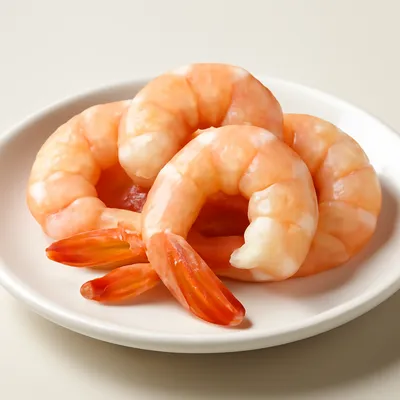
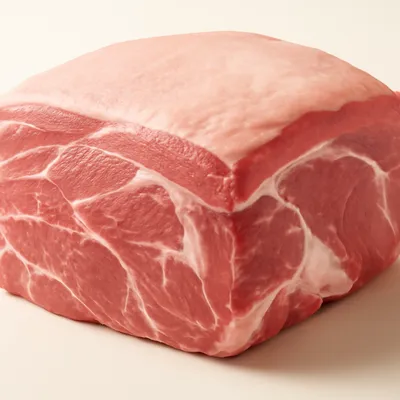
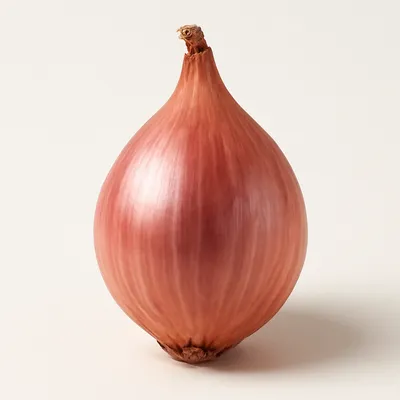
Mince 150g shrimp and 150g pork shoulder into a coarse paste. Sauté in 2 tbsp oil with 2 minced shallots until shrimp turns pink and liquid evaporates — about 6 minutes. Season with 1 tsp fish sauce, 1/2 tsp sugar, 1/4 tsp white pepper.
Watch outAvoid overcooking the shrimp to maintain a tender texture.
- 310 min
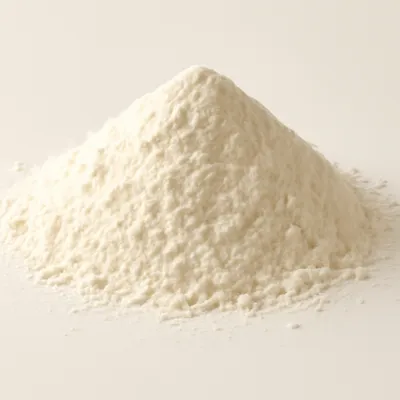
Whisk 200g rice flour + 30g tapioca starch with 700ml water, 1 tsp salt. Cook over medium heat stirring constantly with a spatula 8 minutes until it thickens to a paste like loose mashed potato — translucent in patches, opaque elsewhere.
Watch outKeep stirring until the batter thickens to loose mashed potato, half translucent and half opaque — undercook it and the parcels spread into a puddle in the steamer.
- 415 min
Spread 2 tbsp paste in a 10cm rectangle on a banana leaf. Spoon 1 tbsp filling lengthwise down the centre. Fold leaf long-side over, then ends in, to make a flat 8×12cm parcel. Repeat for all 16.
- 520 min
Stack parcels seam-side down in a steamer in two layers. Steam over high heat 15 minutes — the leaves darken and release their grassy aroma. Rest 5 minutes off heat.
Watch outThe parcels are done when the leaves darken and give off a warm grassy smell — that scent means the leaf oils have gone into the cake.
- 64 min
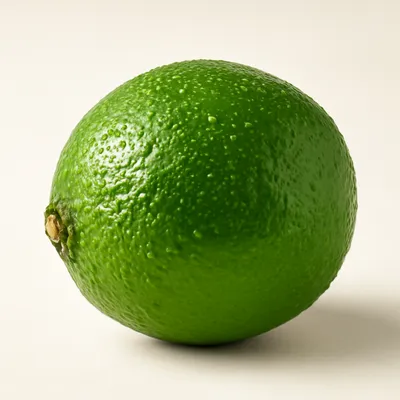
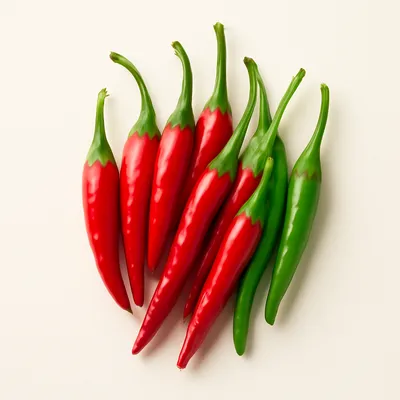
Whisk 4 tbsp nuoc mam, 4 tbsp warm water, 2 tbsp sugar, 1 tbsp lime juice, 1 sliced bird's eye chili. Serve parcels warm — diners unwrap each leaf at the table and pour sauce directly onto the cake.
Archive tool suggestions — not reviewed
These legacy suggestions have not been evidence-reviewed and are not presented as required tools.


