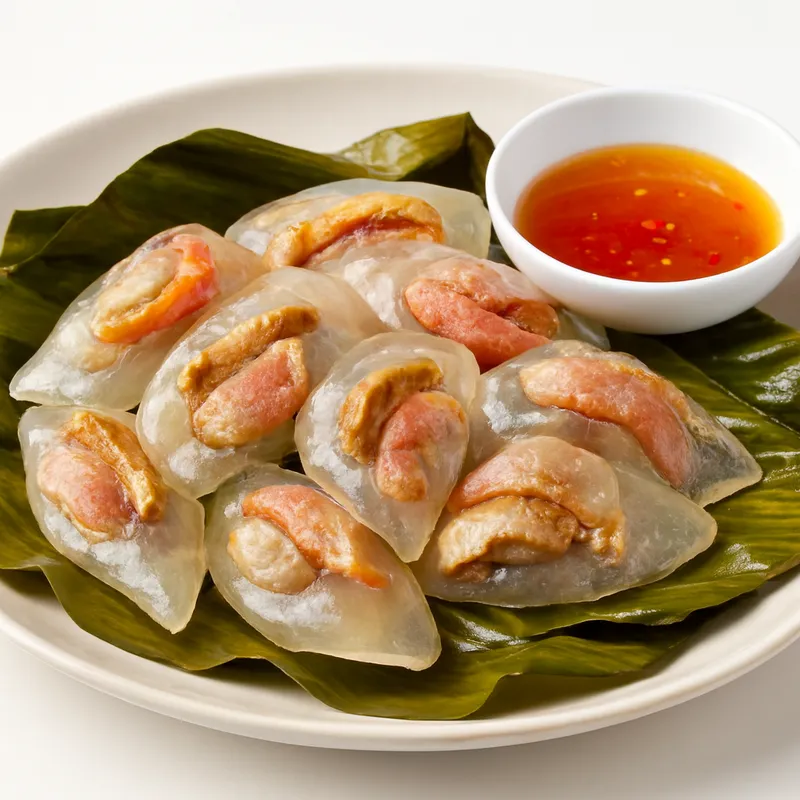
Hue "naked" tapioca dumplings: translucent tapioca-starch wrappers around shrimp and pork-belly filling, boiled until clear, served unwrapped with sweet-fish-sauce dipping — distinct from the banana-leaf-wrapped bánh bột lọc lá.
Bánh lọc is a Hue specialty traceable to the city's imperial kitchen tradition during the Nguyen dynasty (1802-1945), when court chefs developed an elaborate repertoire of small dishes for emperors who preferred variety over volume. The naked version (lọc trần) and leaf-wrapped version (lọc gói or bánh bột lọc) are sister dishes — same filling, different wrapper treatment. Both are sold across Hue today, often as part of a multi-snack platter that includes bánh bèo, bánh nậm, and bánh ram ít.
From the Nguyen-dynasty imperial kitchen at Hue (1802-1945) — court chefs cooked in small portions. Tapioca starch has no gluten; elasticity comes from gelatinization, which is why scalding half the starch is non-negotiable.
Glassy, translucent skins about 2mm thick, you can see the pink shrimp curled inside. Bite: the wrapper is chewy-bouncy, almost rubbery in the best sense — pure tapioca elasticity, no flour cushiness. Inside, sweet shrimp, salty pork belly, and shallot oil hit at once. Drag through the chấm dipping sauce — fish-sauce-bright, sweet, garlicky — and eat in two bites. The naked version (lọc trần) is chewier because it is hand-shaped into a thicker, firmer wrapper, while the leaf-wrapped version is spread thin over the banana leaf and steams up thinner and more translucent.
Tapioca starch behaves nothing like wheat — it has no gluten, so the dough's elasticity comes entirely from gelatinization. Scalding half the starch with boiling water sets a chain of glucose polymers that holds the dough together; the cold-water portion lets it stay pliable for shaping. Boiling versus steaming makes a real difference: in water, the wrapper takes on more moisture and stays chewier; in banana leaf the same dough cooks denser. The translucent shift is the visual sign of full gelatinization.
Variations
Banh loc tran is naked-boiled and chewier; banh loc goi is steamed in banana leaf and runs denser; banh nam is the flat banana-leaf cousin; banh beo (with shrimp floss) and banh ram it (fried rice ball with steamed cake) round out the standard Hue platter.
On the Palate
Where Banh Loc Tran sits in the Vietnamese flavor cloud
Ingredients
Serves 4






How it's made
5 steps · 1 hour active + 30 min waiting
- 115 min
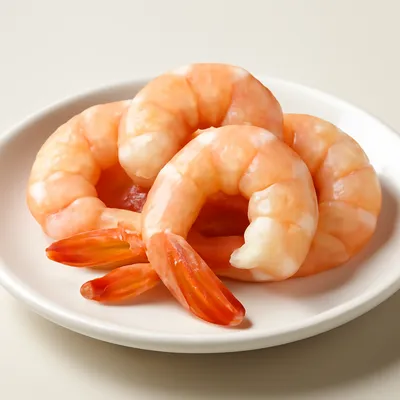
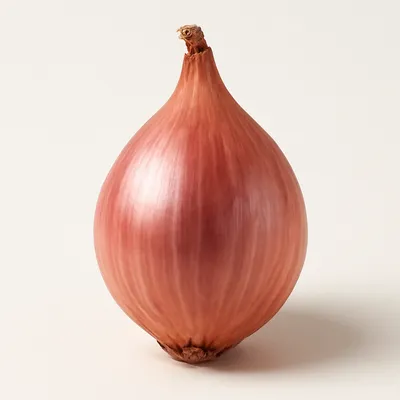
Cook the filling: heat 1 tbsp oil over medium. Stir-fry 2 minced shallots until fragrant. Add 200g pork belly diced 5mm and 200g peeled small shrimp; stir 4 minutes. Season with 1 tbsp fish sauce, 1 tbsp sugar, 1 tsp ground black pepper, 1 tsp annatto-oil for orange tint. Cook until liquid evaporates and filling glazes — about 6 minutes. Cool fully.
Watch outEnsure the filling is fully cooked and not watery before cooling.
- 230 min
Make hot-water dough: in a heatproof bowl, place 250g tapioca starch with 1 tsp salt. Pour 200ml just-boiled water in a thin stream while stirring with chopsticks — half the starch will clump and gelatinize. Add 30ml cold water as needed and knead by hand 8 minutes (it's hot — use a damp cloth) until you have a smooth, elastic, slightly tacky dough. Rest 20 minutes covered.
Watch outPour the just-boiled water in a thin thread while stirring — half the starch will clump and turn glassy; that gelatinized half is the glue that holds a glutenless dough.
- 320 min
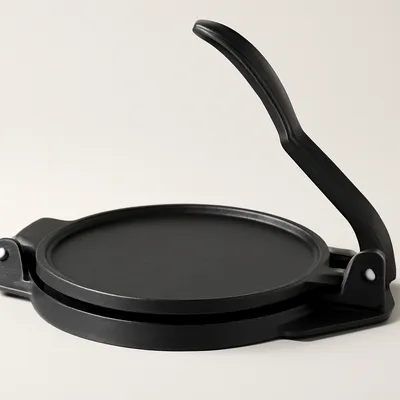
Pinch off 12g balls. Press each between two oiled palms or a tortilla press into a 7cm disc, ~2mm thick. Place 1 piece pork and 1 shrimp in the centre. Fold into a half-moon and pinch the edge tightly — no air pockets, or they burst.
Watch outPinch every edge dead tight with no trapped air — an air pocket steams into steam pressure and the dumpling bursts in the pot.
- 48 min
Bring 3L water to a rolling boil with 1 tbsp oil (prevents sticking). Slip in 8-10 dumplings at a time. They sink, then rise — once they float, simmer 4 more minutes. The wrappers turn from white to translucent, revealing the orange shrimp inside.
Watch outOnce they float, give them 4 more minutes — the wrapper turns from milky white to clear and you can see the orange shrimp through it; that's fully cooked.
- 55 min
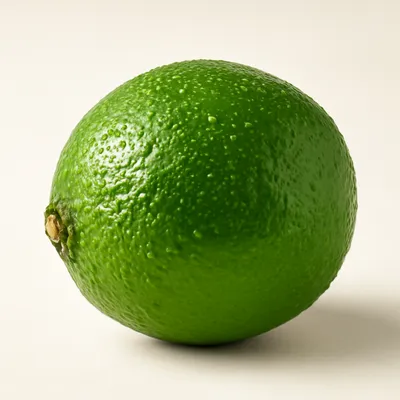
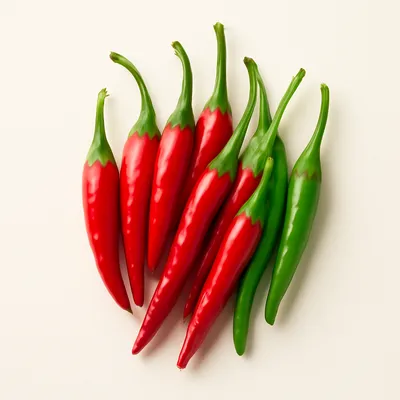
Lift with a slotted spoon directly into a bowl of cold water for 10 seconds (stops cooking and prevents sticking), then transfer to a serving plate brushed with scallion oil (2 tbsp oil + 2 tbsp scallion green warmed 30 seconds). Serve with chấm dipping sauce: 4 tbsp fish sauce + 4 tbsp water + 2 tbsp sugar + 1 tbsp lime juice + 2 minced bird's-eye chiles + 2 minced garlic cloves.
Watch outEnsure the scallion oil is warm enough to coat the dumplings without solidifying.
Archive tool suggestions — not reviewed
These legacy suggestions have not been evidence-reviewed and are not presented as required tools.