Da Nang fish-cake noodle soup: clear pork-bone-and-fish-bone broth with hand-pounded mackerel fish cake (chả cá), bamboo shoots, tomato, pineapple, and fresh herbs over rice vermicelli.
Bun cha ca is the daily breakfast bowl of fishing-port Da Nang and stretches up the central coast to Quy Nhon and Nha Trang. The use of mackerel (cá thu, cá nục) reflects what's caught locally; pineapple and bamboo come from inland Quang Nam. Unlike Hue's heavily-spiced bun bo Hue, this bowl stays light — a working fisherman's breakfast meant to be eaten fast at dawn before going to sea.
Da Nang fishing-port breakfast, eaten fast at dawn before going to sea. The trick is two cooking methods on the same fish paste — steamed cake stays bouncy, pan-fried cake develops Maillard crust. Pineapple's malic acid cuts the bone-stock fishiness.
Clear orange broth, sweet from pineapple and tomato, savoury from the double stock — different from northern pho's beef-spice profile, different from southern hu tieu's pork-shrimp sweetness. The two fish cakes give two textures in one bowl: the steamed cake is soft and bouncy, the pan-fried one chewy with a browned crust. Bamboo and pineapple are the central-coast signatures. A weak version uses commercial fish balls; a strong one tastes like the fish was hand-pounded that morning.
Two cooking methods on the same fish paste is the trick: steaming retains moisture and spring; pan-frying drives off water and develops Maillard crust. Putting both in one bowl gives textural depth that a single-method cake can't. Pineapple in the broth is structural, not decoration — bromelain isn't relevant in a 10-minute simmer, but the fruit's malic and citric acids cut the natural fishiness of the bone-stock and brighten the bamboo's earthiness.
Variations
Da Nang version (mackerel, the canonical); Quy Nhon runs with cá nục (round scad) and a sweeter broth; Nha Trang adds jellyfish to the bowl; Hai Phong's bun ca cay is the spicy Northern cousin with crab paste.
On the Palate
Where Bun Cha Ca Da Nang sits in the Vietnamese flavor cloud
Ingredients
Serves 4












How it's made
5 steps · 45 min active + 45 min waiting
- 135 min
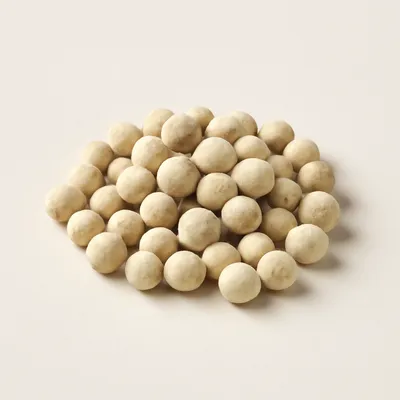
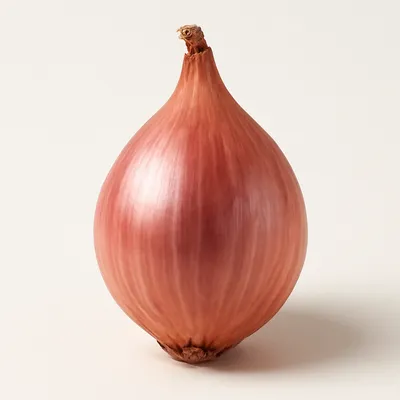
Make fish cake: blitz 500g skinless mackerel fillet with 3 tbsp ice water, 1 tbsp fish sauce, 1 tsp sugar, 1 tsp ground white pepper, 2 minced garlic cloves, 1 minced shallot, 1 tbsp tapioca starch — blitz in 4 short pulses, 90 seconds total, until paste turns sticky. Rest 30 minutes in fridge — this develops bounce.
Watch outBlitz the paste just until it turns sticky and tacky enough to pull at the blade, then rest it cold — that stickiness and the rest are what give the cake its bounce.
- 222 min
Divide paste in half. Form one half into a 2cm-thick disc and steam 12 minutes (this is the soft chả cá hấp). Form the other half into a flat patty and pan-fry in 4 tbsp oil at medium-high until both sides are bronze and cracked — about 4 minutes per side (chả cá chiên).
Watch outFry the second patty until both faces go bronze and cracked — that crust is the whole point of doing one steamed and one fried in the same bowl.
- 345 min
Broth: simmer 600g pork neck bones and 300g leftover mackerel head and bones in 2.5L water with 2 smashed shallots, 1 piece of toasted ginger 5cm, 1 tbsp salt for 45 minutes. Skim scum. Strain.
Watch outEnsure the broth simmers gently to avoid cloudy liquid.
- 410 min
Return broth to a clean pot. Add 200g sliced bamboo shoot, 2 quartered tomatoes, 100g fresh pineapple in chunks, 2 tbsp fish sauce, 1 tsp sugar, pinch annatto-oil for orange tint. Simmer 10 minutes until tomato softens and pineapple's acid sharpens the broth.
Watch outSimmer until the pineapple's sourness lifts through the stock and the broth tastes bright — that acid is what cuts the fishiness of the bone stock.
- 58 min
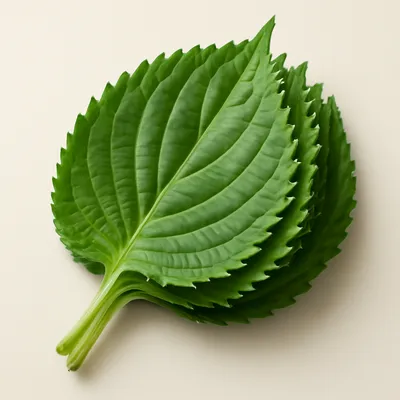
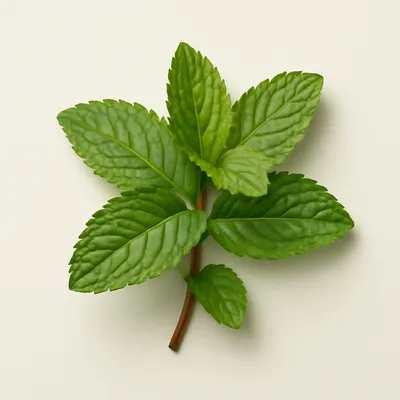
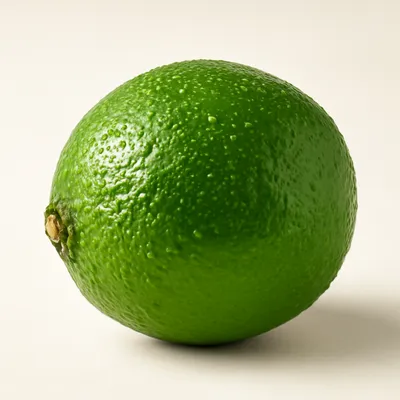
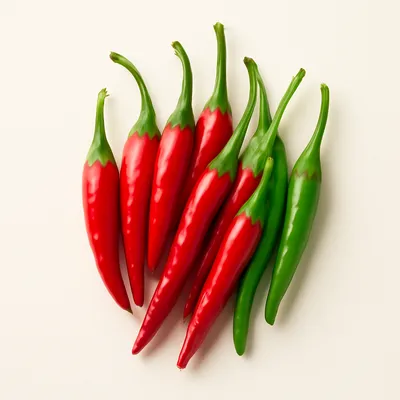
Slice fish cakes into 1cm strips. Soften 400g rice vermicelli 4 minutes; portion to bowls. Top with both kinds of fish cake, ladle hot broth to cover. Serve with shredded green banana, perilla, mint, rau ram, lime wedges, sliced bird's-eye chile.
Watch outMake sure the rice vermicelli is not overcooked to maintain texture.
Archive tool suggestions — not reviewed
These legacy suggestions have not been evidence-reviewed and are not presented as required tools.