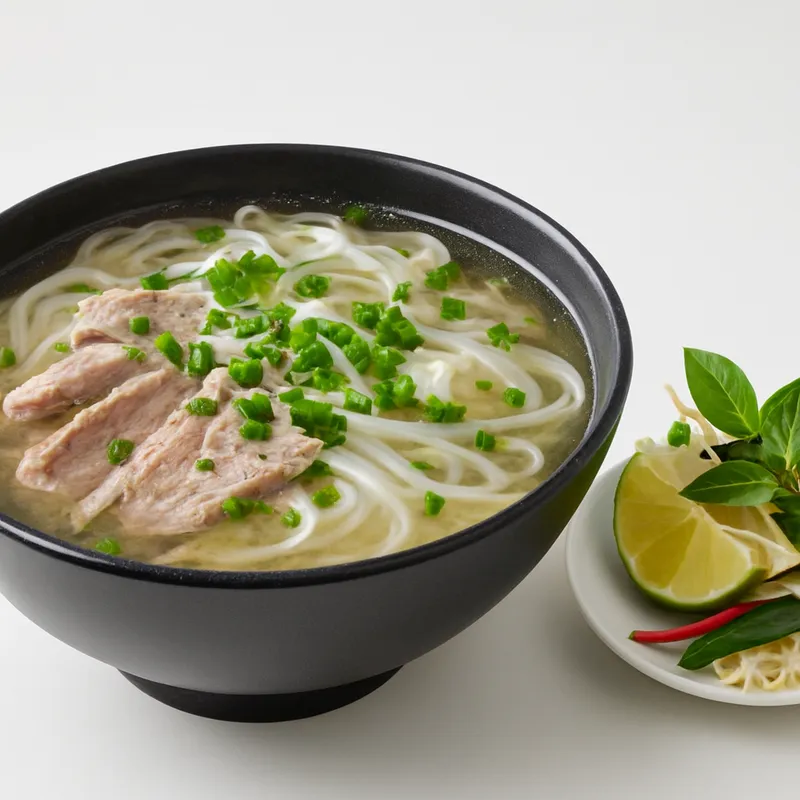
Pho first appears in Nam Dinh and Hanoi around the 1900s-1910s, in a period when French colonial demand for beef left bones and trim affordable for street vendors. The Pho-French-pot-au-feu link is one of several theories — others trace the broth to Cantonese ngauyuk fan and Vietnamese xao trau (water-buffalo and rice-noodle). The tai (rare-beef) variant emerged at Hanoi's Bat Dan and Ly Quoc Su pho stalls as the standard order, distinct from the chin (well-done brisket) cut.
The slice that cooks at the table. Watching the meat bloom in the broth is half of the eating.
The defining moment is the first 10 seconds: you watch the boiling broth turn the red beef slices grey-pink at the edges while the centres stay rare. Bite a slice and it gives like sashimi but tastes of slow-cooked broth. The noodles are slick, never al dente. The broth is clear enough to read print through, but heavy enough to coat the spoon — collagen from oxtail does that. A bad bowl reads bouillon-cubey or has a slick of red oil from over-rendered marrow.
The whole dish hinges on broth temperature at the moment of pouring. Below 90°C the eye-round stays raw and metallic; above 100°C with a rolling-boil ladle the slices overcook in seconds and turn rubbery. Hanoi vendors keep the stockpot at a deep simmer and ladle from just below the surface where it sits at 95-98°C. The beef must be sliced at 1.5mm or thinner — thicker and the centre stays raw after the broth cools.
Variations
Tai-nam (rare + flank), tai-gân (rare + tendon), tai-nạm-gầu (rare + flank + brisket-fat) — same broth, different cut combos at every Hanoi shop.
On the Palate
Where Pho Bo Tai sits in the Vietnamese flavor cloud
Ingredients
Serves 4






How it's made
6 steps · 1 hour active + 5 hours waiting
- 110 min
Char 2 large unpeeled onions and a 50g knob of ginger directly over a gas flame or under a broiler until blackened on all sides — about 8 minutes. Rinse off the loose char under cold water; the smoky layer beneath stays.
Watch outChar them until the skins blister black and blistered on every side — that scorch is where the broth's smoky depth comes from; a pale onion gives a flat stock.
- 210 min
Blanch 2kg beef leg bones and 500g oxtail in boiling water for 5 minutes. Drain and scrub off the grey scum. This is the Hanoi pre-clean — a clear broth is non-negotiable.
- 3300 min
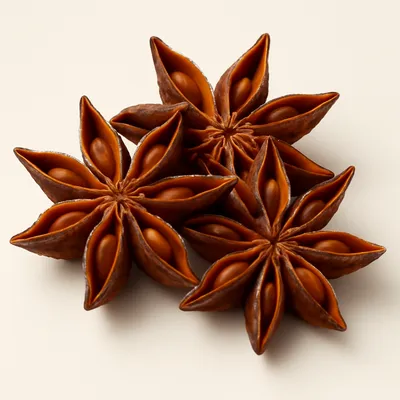
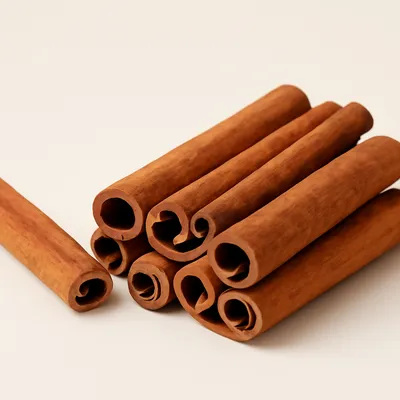
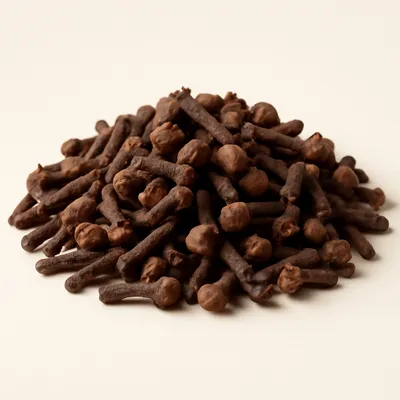
Transfer bones to 5 litres fresh water with the charred onion and ginger, 4 star anise, 1 cinnamon stick, 4 cloves, 1 black cardamom (thao qua), 1 tsp coriander seed toasted. Simmer at 90°C — never a rolling boil — for 5 hours. Skim every 20 minutes.
Watch outKeep it at a bare shiver, never a boil — a rolling boil churns the fat back in and turns the broth cloudy; skim the grey foam off each time it gathers.
- 45 min
Strain the broth through muslin. Season with 3 tbsp nuoc mam (fish sauce) and 30g rock sugar. Taste — it should read clean and round, not bouillon-flavoured.
- 515 min
Freeze 400g beef eye round 30 minutes until firm, then slice across the grain at 1.5mm — translucent when held to light. Soak 400g dried banh pho rice noodles in cold water 30 minutes, then dunk in boiling water for 15 seconds and divide between bowls.
Watch outSlice the half-frozen beef so thin it goes translucent against the light — thick slices stay raw and cold in the centre after the broth cools.
- 65 min
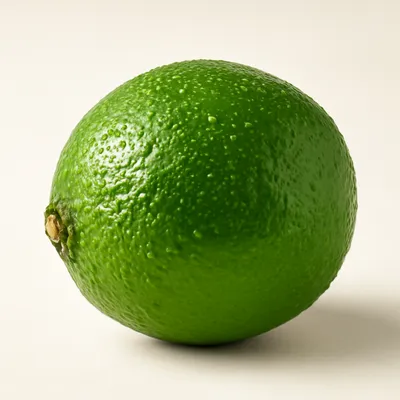
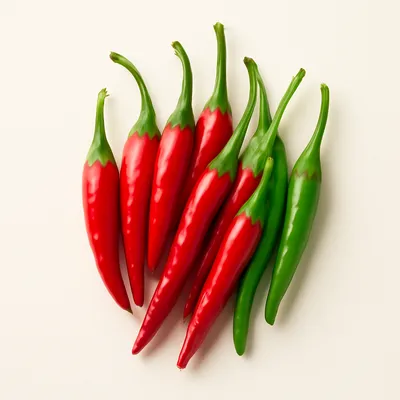
Lay raw beef slices over the hot noodles. Add a few rings of yellow onion and chopped scallion. Ladle the broth — boiling, no cooler than 95°C — directly over the beef so it whitens on contact. Serve with Thai basil, lime, bird chilli, hoisin, and sriracha at the table.
Watch outLadle the broth screaming-hot straight onto the beef and watch it turn from red to pale — if it doesn't whiten on contact the broth's dropped too low and the meat stays raw.