Dua mon is the canonical Tet pickle of central and southern Vietnam: a medley of carrot, daikon, kohlrabi and green papaya, often with chili and shallot, that is first sun-dried to leather, then steeped in a boiled-and-cooled brine of fish sauce and sugar until the pieces turn translucent, glassy and deeply sweet-salty while staying loud and crunchy. Unlike a quick vinegar pickle, it keeps for two to three weeks at room temperature, which made it the practical holiday relish in a region of damp, unsettled Tet weather. It is eaten as the cutting partner to banh chung and banh tet, the heavy glutinous-rice cakes, its sharp brine slicing through the fatty pork-and-mung-bean filling. The Northern Tet table reaches instead for dua hanh, pickled whole shallots, for the same job.


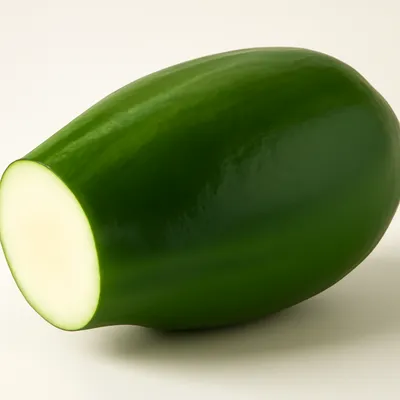


Dua mon is not the invention of any one cook but a regional Tet custom of central Vietnam, strongly associated with Hue and the old imperial center, where it is treated as a near-endemic holiday dish rather than a borrowed one. Its logic is preservation: central Vietnam's Tet falls in cool, wet, unpredictable weather, and a household needed relishes that would hold for the long holiday without daily cooking. Where the North pickles whole shallots in a light vinegar-salt brine (dua hanh) and the Mekong South favors crisp fresh do chua, the central kitchen sun-dries a mix of root and gourd vegetables and cures them in concentrated fish sauce and sugar, yielding something far more durable and intensely savory. Banh chung and banh tet were carried south from the North, but dua mon grew up as the central region's own answer to the same fatty Tet cakes, and the pairing is now standard from Hue down through Saigon.
The pieces snap with an audible crack — sun-drying then re-soaking gives a denser, chewier crunch than a fresh pickle ever has, closer to a savory candied root. The flavor lands sweet first, then a long salty-umami swell of fish sauce, with daikon turning almost glassy, carrot staying firm and faintly earthy, kohlrabi crisp, green papaya near-translucent and slippery. Bird's eye chili threads heat through the sweetness; sliced shallot adds a sharp allium note. Against a warm, soft slab of banh tet it reads as a clean, bright counterweight, resetting the palate between rich bites.
Everything turns on drawing water out before the brine goes in. Sun-drying (a dehydrator or low oven works too) pulls free moisture from the vegetable cells, so the finished pickle keeps a dense crunch instead of going limp, and — critically — the dried pieces do not bleed water into the brine and dilute it, which is what would let spoilage organisms take hold. The brine itself is the preservative: fish sauce and a heavy dose of sugar are boiled together (often near a 1 sugar to three-quarters fish sauce ratio by volume), which dissolves the sugar, drives off raw funk, and concentrates the liquid; cooling it before adding the dried vegetables keeps them from cooking soft. High salt from the fish sauce plus high sugar together lower water activity far enough that the pickle is shelf-stable at room temperature for the holiday, while the dried vegetables slowly reabsorb the seasoned liquid by osmosis, swelling back up glassy, translucent and saturated with sweet-salty flavor over several days.
Variations
The vegetable mix is open: daikon and carrot are the constant base, with kohlrabi (su hao), green papaya, cucumber, chayote, lotus root or pearl onion added by household and region. Cut style ranges from chunky wavy-knife batons to thin slices, and many cooks tuck in whole or split bird's eye chili for heat and color. Some families use a brine of fish sauce, sugar and water; others add a splash of vinegar for a sourer, faster pickle, or scale up the sugar for a candied, sweeter central-style version. The Northern Tet equivalent is a different pickle entirely — dua hanh, whole shallots cured in a light vinegar-salt brine — while the southern do chua is a fresh, undried daikon-and-carrot quick pickle for everyday banh mi rather than the keeping relish of Tet.
On the Palate
Where Dua Mon sits in the Vietnamese flavor cloud
Ingredients
Serves 12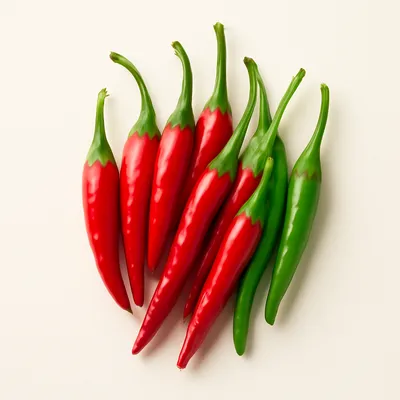
How it's made
7 steps · 1 hour
- 125 min
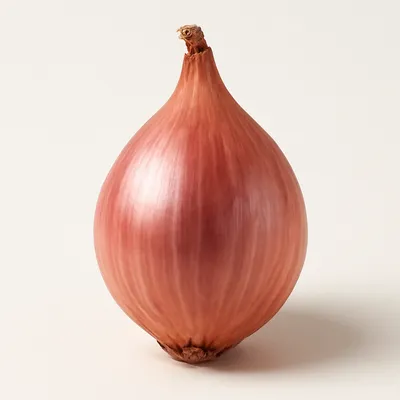
Peel daikon, carrot, kohlrabi and green papaya; cut into chunky batons or thin slices (a wavy crinkle knife gives the classic look). Leave bird's eye chili whole or split, and peel shallots if using.
- 21440 min
Spread the cut vegetables in a single layer on trays and sun-dry for one to two full days (or use a dehydrator / low oven around 60 C) until shrunk, leathery and dry on the surface but still slightly pliable inside.
Watch outSun-dry the vegetables until leathery and dry on the surface but still slightly pliable inside — this dense-crunch drying keeps them from bleeding water and diluting the brine.
- 310 min
Bring fish sauce and sugar (roughly 1 cup sugar to three-quarters cup fish sauce, with a little water) to a boil, skimming off any foam, until the sugar fully dissolves and the brine thickens slightly.
- 430 min
Take the brine off the heat and let it cool completely to room temperature so it will not soften the dried vegetables.
Watch outCool the fish-sauce brine completely to room temperature before it goes on — pour it hot and it softens the dried vegetables you worked to keep crisp.
- 510 min
Rinse off any dust and firmly squeeze the dried vegetables dry, then pack them with the chili into a clean, dry glass jar.
- 68 min
Pour the cooled brine over to submerge the vegetables completely; weigh them down if needed so nothing floats above the liquid, and seal the jar.
Watch outWeigh the vegetables down so nothing floats above the brine — pieces sitting above the liquid can spoil.
- 74320 min
Steep at cool room temperature for three to five days, until the pieces turn translucent and taste sweet-salty all the way through; refrigerate once opened and serve sliced alongside banh tet or banh chung.


