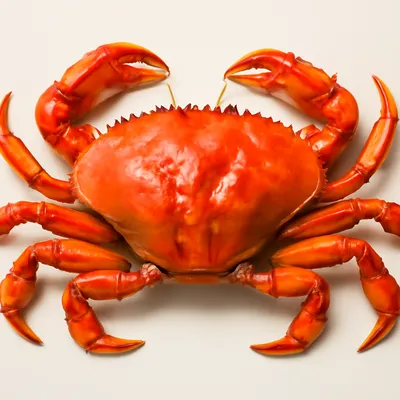


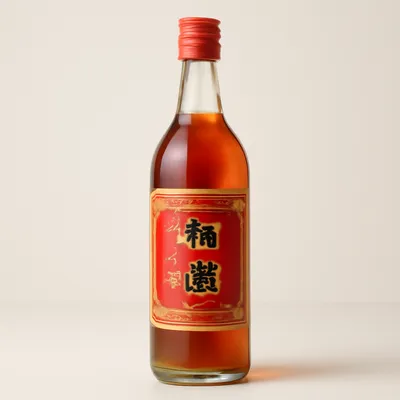


The practice of curing crabs raw in brine (生呛) is rooted in the lower Yangtze region, where ponds and lakes — particularly Yangcheng Lake and Lake Taihu — produced an abundance of hairy crabs. Before refrigeration, salt curing was the primary method for preserving fresh crab and concentrating its umami. The dish appears in the traditional repertoire of Jiangzhe and Shanghai benbang cuisine. Consumption peaks in the ninth and tenth lunar months, following the old folk proverb: 'ninth-month round-abdomen (female), tenth-month pointed-abdomen (male)' — the two periods when roe and fat reach their fullest richness.
An assertive cold richness — the brine-set crab flesh is firm yet delicate, intensely saline with a concentrated marine sweetness beneath; roe barely solidified to a creamy, almost liquid paste; best eaten with fingers and offset by generous ginger-vinegar dipping sauce.
Salt in the brine (8–10% concentration) draws water out of crab tissues by osmosis, concentrating the free glutamate, AMP (adenosine monophosphate), and glycine already abundant in raw hairy crab — all potent umami and sweet-taste compounds. Alcohol from Shaoxing wine partially denatures surface proteins and acts as an antimicrobial agent, slowing bacterial proliferation. However, brine curing does not eliminate Vibrio parahaemolyticus or other pathogens present in raw freshwater crab; the dish carries genuine food-safety risk and should be prepared with verified live crabs, kept refrigerated, and consumed within 48 hours.
Variations
醉蟹 (Drunken Crab) is a related preparation using a far higher ratio of Shaoxing wine to salt, producing a wine-forward, aromatic result after several days' marination. A cooked-then-marinated version (熟呛蟹) — where crabs are briefly steamed first, then chilled in brine — is also common and significantly reduces food-safety risk while preserving seasoning complexity.
On the Palate
Where Salt-Marinated Raw Crab sits in the Chinese flavor cloud
Ingredients
Serves 2

How it's made
7 steps · 30 min
- 130 min
Place live crabs in fresh cold water for 30 minutes to purge; scrub shells and legs thoroughly with a stiff brush.
- 25 min
Prepare brine: dissolve salt in cold water to an 8–10% concentration; add Shaoxing wine, white sugar, ginger slices, scallion sections, Sichuan peppercorn, and cinnamon stick.
Watch outMix the brine to a real 8–10% salt strength — too weak and it won't cure or preserve, which matters because the crab is eaten raw.
- 310 min
Bring brine to a full boil; remove from heat and cool completely to room temperature.
Watch outCool the boiled brine completely to room temperature before the crabs go in — warm brine starts cooking them and spoils the raw texture.
- 43 min
Restrain each crab by binding its legs with kitchen twine; arrange belly-side up in a deep container.
- 52 min
Submerge crabs fully in the cooled brine; weigh down with a plate to keep them submerged.
Watch outWeight the crabs so they stay fully under the brine — any part poking above the liquid discolors and risks spoiling.
- 61440 min
Seal the container and refrigerate for 24–48 hours.
- 75 min
Remove crabs; halve lengthwise with a cleaver; arrange cut-side up on a plate; serve cold with shredded ginger and Zhenjiang black vinegar dipping sauce.


