
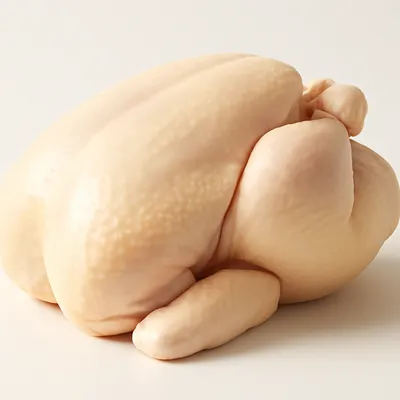
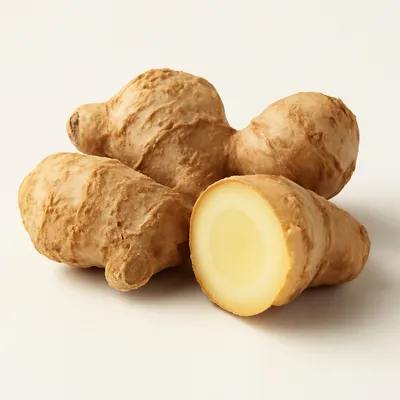
A cold Hakka cured-chicken plate, the homely ancestor of the more famous salt-baked chicken. A whole chicken is rubbed inside and out with salt and ground sand ginger, left to cure for several hours, then gently poached or steamed and cooled, before being chopped or hand-torn and dressed with a sand-ginger, scallion and chicken-fat oil. Here the salt is the seasoning that cures and firms the meat, not a hot medium to bake in — which is exactly what sets it apart from salt-baked chicken. The skin stays taut and glossy, the flesh firm yet silky and shot through with the camphor-cool perfume of sand ginger, served at room temperature as a starter or part of a cold-cut spread.



Salt-cured chicken comes out of the Hakka country of eastern Guangdong — Huizhou, Heyuan and Meizhou — along the East River (Dongjiang). The widely told local account, recorded in Huizhou food writing, is that salt was once a precious, hard-won commodity in the hills, so the Hakka preserved a freshly killed bird by packing and curing it in salt, then simply steamed it when wanted to eat: that cured-and-steamed bird is the original 'Hakka salted chicken' (咸鸡). The celebrated Dongjiang salt-BAKED chicken (盐焗鸡), now classed as a Cantonese dish, is documented as a later refinement of this very practice — said to be roughly three centuries old — in which cooks wrapped the salted bird in paper and buried it in a heap of hot, pre-roasted coarse salt to bake it through. The crucial distinction, stated plainly in the sources: in salted chicken the salt CURES (腌) the meat and is the seasoning you taste; in salt-baked chicken the salt is the COOKING medium (焗), a bed of hot salt that conducts heat and is not eaten. Both lean on sand ginger for their signature aroma. No dynastic text fixes an exact founding date; the scarcity-and-thrift account is the standard folk explanation rather than dated record.
The skin is taut and just slightly slippery, carrying a clean salt edge; bite through it and the flesh is firm and springy rather than loose, yet still juicy and silky — that bouncy-but-tender quality is the mark of a properly cured bird. Sand ginger runs through everything: a cool, faintly camphor-and-pine perfume that lifts the plain chicken and lingers at the back of the palate, rounded out by raw scallion and a slick of warm chicken-fat oil. It is savory and cleanly salty rather than sauce-heavy, eaten cool so the gelatin in the skin sets to a gentle bite. Pick up a hand-torn strand, drag it through the sand-ginger oil, and it eats like the best cold cut at a Hakka table.
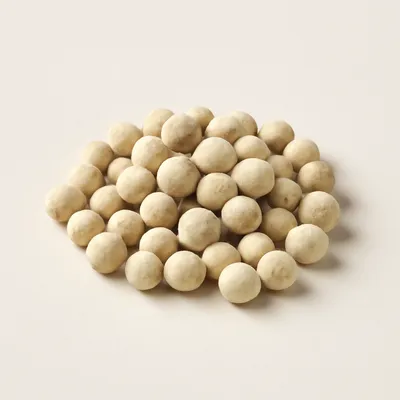
The whole point is the cure. Rubbing salt into the chicken and resting it draws out moisture by osmosis and then works on the muscle proteins: at the low salt levels used here, food-science studies of salt-cured chicken show the salt partly dissolves the myofibrillar proteins (chiefly myosin), making the muscle swell so it actually takes up and holds MORE water — which is why a salted, cured bird turns out firm and springy yet juicy and silky, not dry. The salt also tightens the skin and seasons clear through to the bone, while the rest needs nothing but a gentle cook. Cooking is deliberately low and slow — poaching just below a simmer, or steaming — because hard boiling would seize and toughen the now salt-firmed proteins and burst the skin; gentle heat sets the flesh while keeping it tender, and an ice-water plunge or cooling firms the skin to a crisp 'bite.' Sand ginger (Kaempferia galanga), botanically distinct from common ginger, supplies the signature note: its essential oils and kaempferol-type compounds give a cool, camphor-like aroma, milder and more fragrant than ginger's heat, finished in warm oil so the aromatics bloom over the cold meat.
Variations
The cure can be the dry rub described, or a wetter brine; some cooks add a little Shaoxing wine, white pepper or scallion and ginger to the cure. After curing, two finishing routes are common: poaching the whole bird just under a simmer (then plunging in ice water for the firmest skin) or steaming it, the latter giving a softer, more home-style result. The dish is sometimes called 'salty fragrant chicken' (咸香鸡) or 'sand-ginger salted chicken.' It is the direct forerunner of Dongjiang salt-baked chicken (盐焗鸡, the Cantonese classic in which the bird is wrapped in paper and baked in a mound of hot coarse salt), and of the popular shortcut hand-torn version that pours a sand-ginger, scallion and salt-baked-powder oil over a plainly poached bird. Whichever route, it is chopped on the bone or hand-torn and dressed cold; a saucer of sand-ginger oil or sand-ginger-and-soy dip goes alongside.
On the Palate
Where Hakka Salt-Cured Chicken sits in the Chinese flavor cloud
Ingredients
Serves 4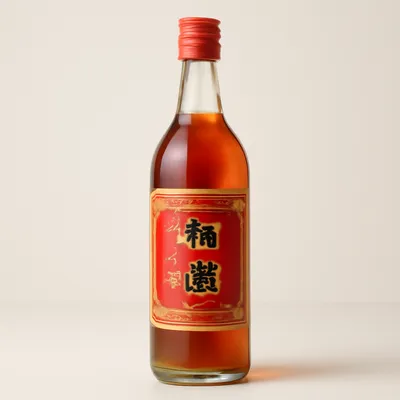
How it's made
7 steps · 4 hours
- 110 min
Clean a whole chicken and pat it thoroughly dry inside and out.
- 28 min
Make the cure: combine salt with ground sand ginger (and, if you like, a little white pepper and Shaoxing wine). Rub it firmly all over the bird and well into the cavity.
- 3200 min
Cover and cure in the fridge for at least 3-4 hours (longer is more flavorful), letting the salt draw out moisture and season the flesh.
Watch outCure at least 3–4 hours so the salt draws out moisture and seasons deep — this is the whole point; a short cure leaves the bird bland and slack, not firm and springy.
- 428 min
Bring a deep pot of water with a smashed knob of ginger to just below a simmer; lower the whole bird in, return to a bare tremble (never a rolling boil) and poach gently until just cooked through, about 25-30 minutes depending on size. Alternatively, steam the cured bird over high heat for a softer result.
Watch outPoach at a bare tremble, never a rolling boil — hold it just below a simmer or the skin splits and the meat toughens instead of turning silky.
- 510 min
Lift out and plunge into ice water (or let cool completely) to firm and tighten the skin.
Watch outPlunge into ice water straight after cooking — the cold shock firms and tightens the skin to that prized taut, crisp bite.
- 66 min
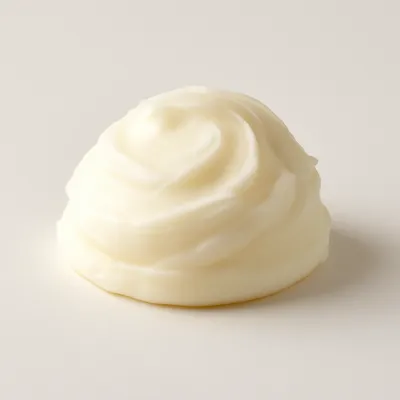
Meanwhile make the dressing: mince fresh sand ginger and scallion, scald with hot chicken fat or oil, and season with a little of the poaching salt.
- 78 min
Chop the cooled chicken on the bone, or hand-tear it into strands, arrange on a plate and spoon the sand-ginger oil over. Serve cool as a starter or cold-cut plate, with extra sand-ginger dip alongside.

