
Boudin is the Aosta Valley's mountain blood sausage, named in the local Franco-Provencal patois and quite unlike the pure-blood boudin of France. Boiled potatoes and cubes of pork lard are bound with red beetroot, a measure of pig's blood, red wine and warm spices, then packed into casings and cured. The beetroot does double duty, dyeing the paste a deep wine-red and helping to preserve it, which is why a popular bloodless version sets the same colour with beetroot alone. Sliced thin it is eaten raw like a salami or simmered and served warm, classically with boiled potatoes or chestnuts. The lower valley around Arnad and Donnas is its heartland.



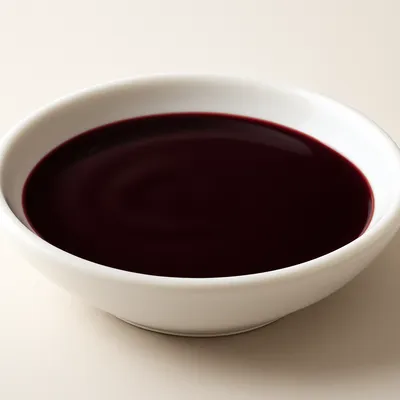


Boudin belongs to the high-Alpine economy of the Aosta Valley, where long winters and thin mountain soils left potatoes and beetroot as the dependable field crops and the pig as the household's stored protein. It is a child of the matanza, the late-autumn family pig-slaughter, when every part of the animal was used at once: the fresh blood and trimmings of lard went into a paste stretched with cheap boiled potato, the whole thing cased and hung to cure through the cold months. The lower valley around Arnad and Donnas, also famous for its DOP lardo, is the dish's traditional home. Modern food law recognises boudin as a Prodotto Agroalimentare Tradizionale (PAT) of the Valle d'Aosta. No single founding date or inventor survives; like most slaughter-day charcuterie it was an oral peasant practice, and the bloodless beetroot-only version is the form most often sold today.
A thin slice is dense and yielding, the colour of dark wine flecked with pale squares of fat. The flavour is earthy and faintly sweet from the beetroot, deepened by an iron, almost livery note where blood is used, with the lard melting cool and rich on the tongue. Spices and wine sit behind it, savoury rather than hot. Warmed through, the texture loosens toward a soft, almost creamy crumble.
Boudin is a starch-and-fat emulsion held together by blood and beetroot. Pig's blood is roughly 17 percent protein, and its haemoglobin and plasma proteins denature and gel on gentle heat, knitting the paste into a sliceable solid much as egg sets a custard, while contributing the iron note and dark colour. Boiled potato supplies gelatinised starch that swells, soaks up fat and water, and gives body without toughness; the lard cubes stay distinct, marbling the mass and lubricating each bite. Beetroot brings betalain pigments for the red colour plus sugars and acids that, with the added salt and wine, lower water activity and discourage spoilage during the slow cure. In the bloodless version beetroot alone carries the colour and the potato-and-fat matrix does the binding. Cooking must be a gentle poach below a rolling boil: violent heat would coagulate the proteins too fast and split the fat, bursting the casing.
Variations
The two great divisions are the blood boudin (boudin rouge), darker and more mineral, and the increasingly common bloodless beetroot boudin, which is milder and brighter red. Recipes vary by household and hamlet in the ratio of potato to fat, the spicing (cloves, nutmeg, cinnamon, juniper and bay all appear), and whether red wine or grappa is added. Some makers fold in cooked beetroot in chunks; others use it only as juice. Serving splits along the same line: cured slices as antipasto with rye bread, or warm boudin poached and plated with boiled potatoes, chestnuts or Fontina.
On the Palate
Where Boudin Valdostano sits in the Italian flavor cloud
Ingredients
Serves 8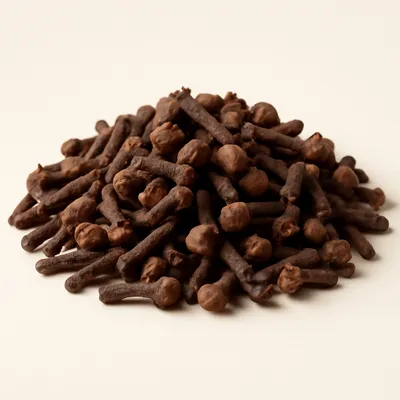


How it's made
8 steps · 1 hour 30 min
- 130 min
Boil the potatoes in their skins until soft, drain well, peel, and let them dry off and cool so the paste will not be watery.
Watch outDry the boiled potato off well before mashing — any extra water makes the paste too loose to pack and set into a sliceable sausage.
- 215 min
Cut the firm pork lard into small, even cubes; coarsely chop or grate the cooked beetroot, reserving its juice.
- 315 min
Mash or pass the cooled potato, then work in the beetroot, lard cubes, pig's blood (if using), red wine, salt and the spices into an even, deep-red paste.
- 420 min
Rinse the hog casings, soak them soft, and slide them onto the stuffing horn; pack the paste in firmly but without air pockets.
- 510 min
Twist or tie off into links of even length, pricking any trapped air, and wipe the casings clean.
- 60 min
Hang the sausages in a cool, airy, dim place to cure and dry for several weeks until firm to the squeeze.
Watch outHang to cure until firm to the squeeze — soft inside means it hasn't dried enough and the blood-and-starch paste won't hold a clean slice.
- 715 min
To serve cured, slice thin and plate as antipasto; to serve warm, poach whole links in barely-trembling water, never a hard boil, until heated through.
Watch outTo serve warm, poach in barely-trembling water — a hard boil bursts the casing and the paste crumbles apart.
- 85 min
Plate the warm boudin with boiled potatoes, chestnuts or a wedge of Fontina.
Archive tool suggestions — not reviewed
These legacy suggestions have not been evidence-reviewed and are not presented as required tools.


