A hand-formed, non-encased cured pork salume from the mountain village of Campotosto (1,420 m, Gran Sasso-Laga park), sold in matched oval pairs and jokingly nicknamed 'coglioni di mulo'. Fine-ground lean pork shoulder and ham are worked by hand around a central bar of pure lard, cold-smoked for fifteen days over oak or beech, then dried in the thin tramontana wind for at least three months. A Slow Food Presidium, Ark of Taste entry, and Abruzzo PAT, with fewer than a handful of artisans still producing the authentic version.




The tradition of making Mortadella di Campotosto spans more than 500 years in the mountain village of Campotosto in the L'Aquila province, though documentary records trace back to the late 18th century. Historically, the Amatrice area — which held medieval administrative dominion over Campotosto — also claimed the salume, but production has always centered on Campotosto itself and its distinctive alpine microclimate. The extreme altitude (1,420 m), cold tramontana winds, and low-humidity winters made the village naturally suited to outdoor curing, long before refrigeration. A producers' association formed in 2008 to defend the authentic method against widespread industrial imitations, particularly those made in Norcia with added additives and pre-sewn casings.
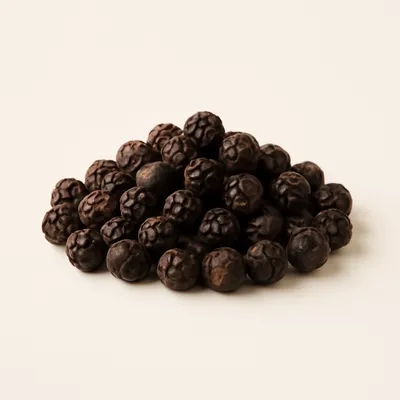
Sliced thin, the meat is dense and slightly chewy — 'leathery and compact' in the local descriptor — with a deeply savory, mildly smoky depth from the oak cold-smoking. The lard bar at the center is distinctly sweet and yielding against the firm meat, almost melting at tongue temperature. The spice blend (black pepper, clove, cinnamon infusion) gives a quiet warmth that lingers. Best served simply on bread.
Cold-smoking at low temperatures (well below 30 ℃) allows wood phenols (guaiacol, syringol) to penetrate the meat surface, contributing antimicrobial protection and the characteristic smoky aroma without cooking the proteins. During the subsequent air-drying phase, water activity drops progressively: the tramontana's dry, cold airflow accelerates surface moisture loss, creating a pellicle that slows further dehydration and concentrates flavors. Inside, lactic acid bacteria and endogenous enzymes (lipases, proteases) slowly hydrolyze fats and proteins over three months, developing the complex umami and mildly acidic undertones. The central lard bar — high in saturated fat — resists oxidation and rancidity due to its low polyunsaturated fat content, retaining sweetness while the surrounding lean muscle develops depth.
Variations
The authentic Campotosto version uses pork shoulder and ham — no filler meat. Industrial versions (especially from Norcia) substitute cheaper cuts, add nitrate preservatives, use pre-sewn casings, and skip outdoor curing. Some artisans add a small amount of pancetta to the grind for fat marbling. The lard bar's thickness varies slightly by producer. Occasionally paired with local Pecorino and Montepulciano d'Abruzzo wine for an antipasto.
On the Palate
Where Mortadella di Campotosto sits in the Italian flavor cloud
Ingredients
Serves 8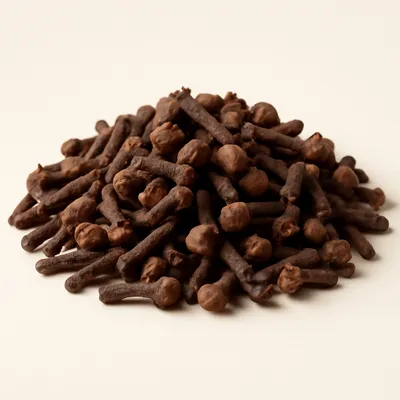


How it's made
7 steps · 2 days
- 120 min
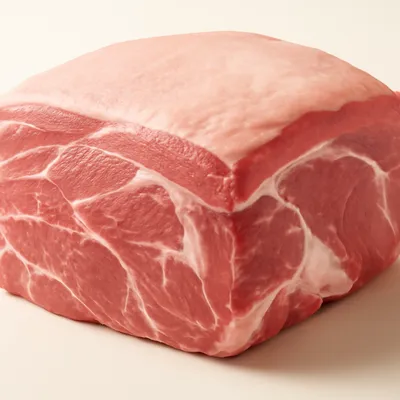
Select fresh pork shoulder and ham; grind finely through a meat grinder; season with salt, coarsely ground black pepper, and white wine; mix thoroughly.
- 210 min
Prepare the spice infusion: steep whole cloves and cinnamon bark in a small amount of white wine for 30 minutes; strain and mix the liquid into the ground meat.
- 31440 min
Rest the seasoned meat in a wooden or steel container (scifone) for at least 24 hours at cool temperature, turning occasionally to ensure even seasoning.
- 430 min
Form the meat by hand around a solid bar of lard approximately 10 cm long, pressing tightly to eliminate air pockets and create a dense oval shape of about 330g.
Watch outPress the meat tight around the lard bar to squeeze out every air pocket — trapped air is where spoilage starts during the long cure.
- 520 min
Encase in natural pork intestine; tie tightly with hemp twine and loop a small twig around the base of the string for structural support during hanging.
- 621600 min
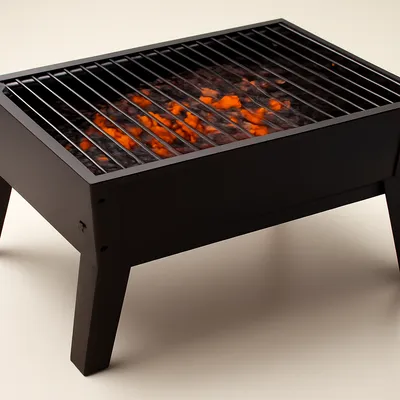
Hang in a cold-smoking chamber; expose to cool smoke from oak or beech wood embers for 15 days at temperatures below 25 ℃.
Watch outKeep the cold-smoke below 25°C — let it climb and the fat starts to render and the meat cooks instead of curing.
- 7129600 min
Transfer to a ventilated mountain facility; dry-age in natural tramontana wind for a minimum of 2–3 months until the exterior is firm and the interior has developed full color and aroma.
Archive tool suggestions — not reviewed
These legacy suggestions have not been evidence-reviewed and are not presented as required tools.