
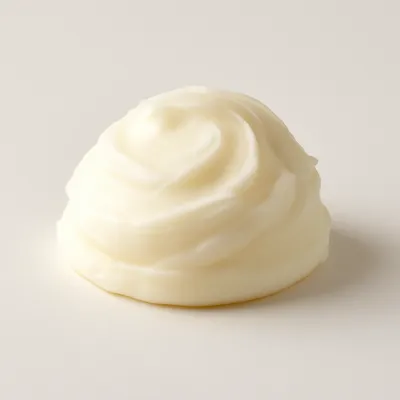

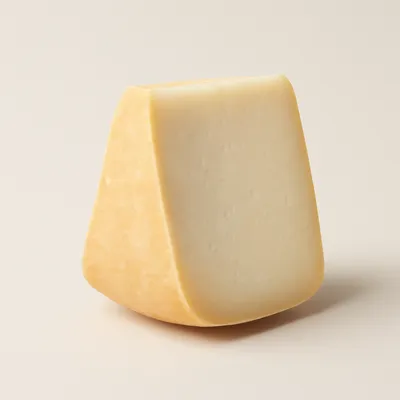
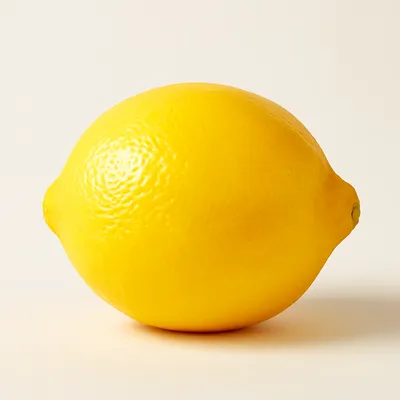
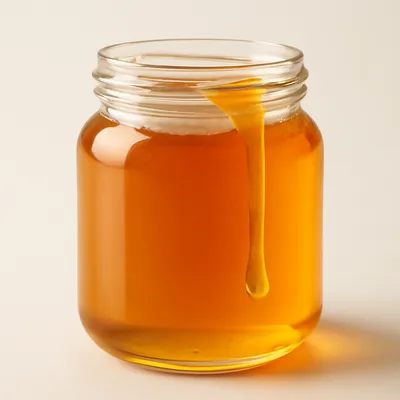
Seadas (also sebadas or seada — Sard dialect variations) is a Sardinian dessert from the shepherd kitchens of the Barbagia interior. Shepherds working with fresh sheep's milk made pecorino daily; the youngest cheese — still soft and slightly tangy after 24-48 hours — went into seadas. The dough was semolina flour and lard, filled with fresh pecorino and lemon zest, fried in lard until the cheese melted, and finished with bitter wildflower honey or the rarer miele di corbezzolo (arbutus honey, with a medicinal-bitter edge). Now served in every Sardinian restaurant as the end of a meal.
Pierce a seada with a fork: the golden crispy dough cracks, melted pecorino spills onto the warm plate, the honey pools over everything. First bite: hot, salty cheese against sweet-bitter honey, crispy semolina dough crackling between. The lemon zest is subtle but cuts the cheese richness. If you find arbutus honey (rare — collected from Sardinian arbutus bushes in autumn), it has a uniquely medicinal-bitter edge that doesn't appear in any other honey; it transforms seadas from a regional dessert into a sensory event. Eat all of it. Order another.
Semolina flour (durum wheat) is essential — it gives the dough its golden color, slightly chewy texture, and crisp-rather-than-flaky fry result. Soft-wheat-only flour produces a too-tender dough that absorbs oil and goes soggy. The 24-48-hour-young pecorino has the right melt characteristics — it softens and stretches but doesn't fully liquefy (older pecorino splits into oil and curds; fresher pecorino doesn't develop enough flavor). The high-temp fry (175°C) is critical: lower temps and the dough absorbs oil, higher temps and the dough burns before the cheese melts. Arbutus honey contains homogentisic acid (the bitter compound), unusual among honeys.
Variations
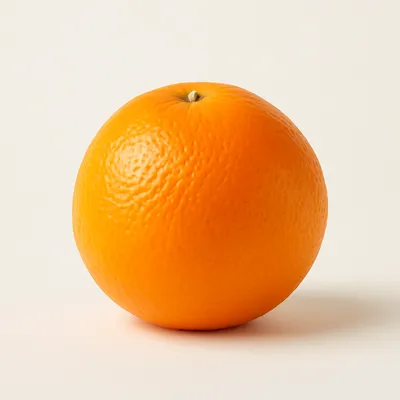
Barbagia canonical uses fresh pecorino + lemon + arbutus honey; Logudoro variant uses orange instead of lemon zest; modern Cagliari restaurants serve seadas with cream and fruit (atrocity to traditionalists); a sweet variant called 'seadas dolci' uses cheese with sugar (different, less interesting); commercial frozen seadas are increasingly common but the dough never crisps right after freezing; arbutus honey is so rare (extremely localized Sardinian production) that most seadas are served with mille fiori or thyme honey today.
On the Palate
Where Seadas sits in the Italian flavor cloud
Ingredients
Serves 6

How it's made
6 steps · 50 min active + 40 min waiting
- 142 min
Make dough: pile 300g durum semolina flour + 100g 00 flour, well in center. Add 50g melted lard + 1 egg + pinch of salt + 150ml warm water. Mix; knead 12 min until smooth and elastic — semolina dough needs longer kneading than soft wheat. Wrap; rest 30 min.
- 28 min
Make filling: grate 300g fresh young pecorino (24-48 hours old; if unavailable, use young fresh queso fresco or low-moisture mozzarella). Combine with zest of 1 lemon + zest of 1 orange + pinch of salt. Mix gently — don't compress.
- 312 min
Roll dough to 2mm thickness on a lightly floured surface. Cut 12cm-diameter discs (use a small plate or large cookie cutter). You should get about 12 discs.
- 413 min
Form seadas: place 50g cheese mixture in center of each disc; brush rim with water; top with a second disc of dough; seal edges by pressing with fork tines. Should be flat half-moon shape ~12cm wide. (Alternative: traditional shape is round closed pocket, like a sealed plate.)
Watch outBrush the rim with water and press the fork all the way around into a tight seal — a weak edge splits open and the cheese bleeds into the oil.
- 59 min
Heat 5cm vegetable oil (or lard for authenticity) to 175°C in a deep pan. Fry seadas 2-3 at a time, turning gently, until deep golden, about 2 min per side. The cheese inside should be melted but should not break through. Drain on paper towels.
Watch outFry until deep gold and the cheese inside just goes soft and molten — pull them before it swells and bursts the seam.
- 66 min
Warm 200g Sardinian wildflower honey (or arbutus honey 'miele di corbezzolo' if you can find it — bitter-medicinal, distinctive) in a small pan over very low heat just until pourable, 1 min. Serve seadas immediately, 2 per person, on warm plates, with 2 tbsp warm honey poured over each. Eat hot — the contrast of crispy fried dough, melted savory cheese, and warm bitter honey is the entire dish.
Watch outWarm the honey over the lowest heat just until it pours in a thin thread — let it get hot and it turns thin and loses its aroma.
Archive tool suggestions — not reviewed
These legacy suggestions have not been evidence-reviewed and are not presented as required tools.


