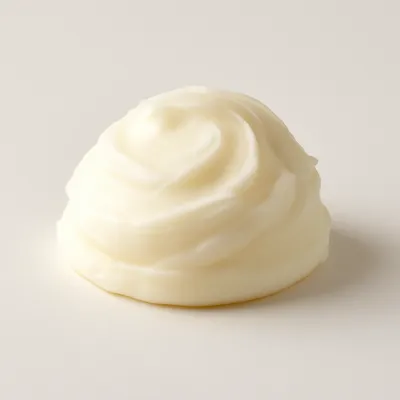
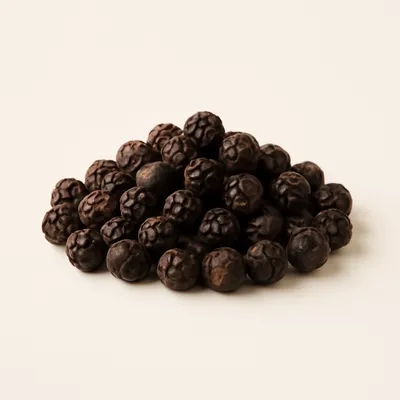
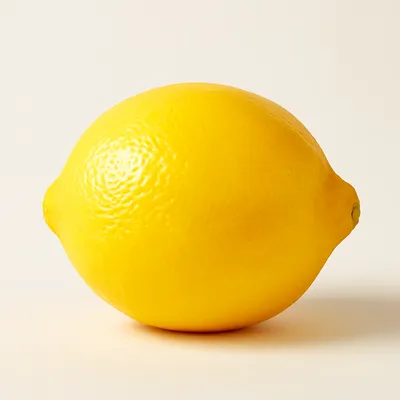
A raw, ancient Palermo street food of veal offal — the scraps, fat, gristle and small bones left after butchering — boiled slowly then fried in lard until browned, and seasoned with bay, pepper and lemon. The frittularu keeps it warm and moist heaped in a cloth-covered wicker basket, the panaru, and serves it by the fistful pulled from beneath the cloth, onto oiled paper or crammed into a soft roll. A true waste-nothing dish, sold hot at the Ballarò and other historic markets and eaten standing up.



A dish born of the market butchers' thrift, turning the humblest leftovers of the slaughter into food. Tradition places its birth around the old butchery quarter of Palermo, where nothing of the animal was wasted; the offal, fat and cartilage that no one would buy were boiled and fried into something to sell hot from a basket. The frittularu was long a fixture of the Ballarò and Capo markets, working a small ritual of mystery and trust: the frittola is hidden under a cloth in the panaru, and the vendor reaches beneath it to pull out a portion by hand, so the buyer trusts the weight and the mix he is given. It remains one of Palermo's most visceral survivals of the cucina povera and the cooking of the 'fifth quarter'.
Warm, soft and richly fatty, the boiled-then-fried scraps almost melt on the tongue, the cartilage turned silky and gelatinous, the browned edges savoury and crisp. Bay and black pepper cut the richness and a squeeze of lemon lifts it. Unashamedly humble and deeply meaty, it is offal food at its most honest.
The long, slow boil is what tames the tough offal: veal cartilage and connective tissue are rich in collagen, which above roughly 70°C and over hours hydrolyses into gelatin, turning rubbery gristle silky and soft. Frying the drained, cooled pieces in hot lard then drives off surface water and browns the exterior through the Maillard reaction, building a savoury crust while rendering and crisping the fat. Keeping the cooked frittola piled under a cloth in the basket traps heat and steam, holding it warm and moist for hours without drying, and the residual fat coats each piece to seal in warmth. Bay, pepper and acidic lemon balance the heavy fat on the palate.
Variations
The exact mix of offal varies with the butcher and the day; some versions lean fattier, others carry more cartilage or a little liver and spleen. It can be served scuietta, loose on paper, or in bread, a semprefresco roll or a round focaccia. A few vendors finish it drier and crisper, others keep it soft and moist. Palermo's frittola sits alongside the city's other 'fifth quarter' street foods, from pani ca meusa, the spleen sandwich, to stigghiola, the grilled intestines.
On the Palate
Where Frittola sits in the Italian flavor cloud
Ingredients
Serves 6How it's made
7 steps · 30 min
- 130 min
Clean and trim the veal scraps, cartilage and fat, rinsing them well.
- 2120 min
Boil them slowly in salted water for a couple of hours until the cartilage is tender and gelatinous.
Watch outBoil the cartilage slow and long until it turns silky and gelatinous — rushed on high heat it stays rubbery gristle no fry can fix.
- 310 min
Drain, reserving a little of the fat, and let the pieces cool slightly.
- 415 min
Fry them in hot lard until the edges brown and crisp and the fat renders.
Watch outFry until the edges brown and crisp and the fat renders out — pull them pale and they're greasy instead of savoury and crackling.
- 53 min
Season with bay leaf, plenty of black pepper and a squeeze of lemon.
- 63 min
Pile into a cloth-lined basket to keep it warm and moist.
- 73 min
Serve hot, scooped by hand onto oiled paper or stuffed into a soft roll.


