Palermo's beloved fried potato croquettes, known in dialect as cazzilli. Floury old potatoes are boiled, riced and seasoned with just parsley, salt and pepper — no egg and no breadcrumbs — then shaped by hand into small finger-length cylinders and deep-fried until deep golden and shatteringly crisp. They are the inseparable partner of panelle, the thin chickpea fritters, sold together at friggitorie and market stalls and crammed into a soft roll in the classic Palermitan street-food refrain 'pane, panelle e cazzilli'.
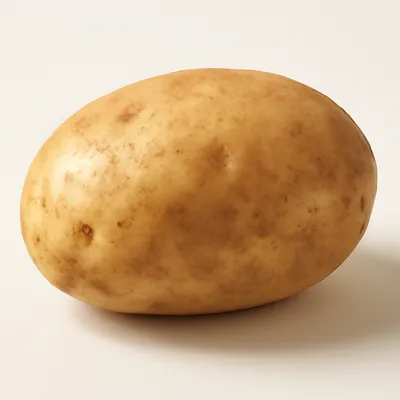




A Sicilian cousin of the French croquette, the family of fried potato fritters that spread across the world. Carried south into Italy, it took root in Naples and Palermo, where the dialect named the Palermitan version for its small finger shape. Tradition traces the technique to the French-trained Monsù chefs of the Bourbon court of the Kingdom of the Two Sicilies, and further back to the Spanish croquetas de jamón. Unlike the Neapolitan crocchè — bound with egg, rolled in breadcrumbs and often hiding a core of mozzarella or ham — the Palermo version keeps it plain: only floury old potatoes, salt and parsley, no egg and no coating, fried straight. Paired with panelle, the chickpea fritters, it stars in the city's great street-food refrain, 'pane, panelle e cazzilli', and both the Sicilian cazzilli and the Neapolitan crocchè are listed among Italy's traditional agri-food products.
A thin, crackling golden crust gives way to a soft, steaming potato interior, fragrant with parsley and pepper. Plain and honest, lightly salted, best eaten scalding hot straight from the fryer; pressed into bread beside a slab of panelle, it is the taste of the Palermo street.
The croquette holds together without egg because floury, aged potatoes are packed with starch. Boiling gelatinises that starch; ricing the potatoes while hot keeps the mash dry and fluffy and avoids the gluey texture that bursting the cells with a masher would create. As the shaped cylinders hit oil at around 180°C, the surface moisture flashes to steam and the outer starch dehydrates and browns through the Maillard reaction into a rigid, crisp shell, while the steam pressure inside keeps the crumb soft and cooked through. Cooling the mash before frying lets the starch begin to set, firming the mixture so the cazzilli hold their shape in the hot oil.
Variations
Naples makes a richer crocchè, binding the mash with egg yolk and grated Parmesan and often hiding a core of mozzarella or diced ham, then rolling it in breadcrumbs before frying; in Campania the same fritter is called panzarotto. Some Palermo cooks scent the mash with a little mint in place of parsley, or fold in grated caciocavallo, but the market classic stays plain. Both the Sicilian cazzilli and the Neapolitan crocchè are listed among Italy's traditional agri-food products.
On the Palate
Where Cazzilli (Crocchè di Patate) sits in the Italian flavor cloud
Ingredients
Serves 4How it's made
8 steps · 20 min
- 125 min
Boil the floury potatoes whole in their skins until tender, about 25 minutes.
- 28 min
Peel them while still warm and pass through a ricer into a dry, fluffy mash.
Watch outRice the potatoes hot into a dry, fluffy mash — a masher bursts the cells into a gluey paste that fries dense and greasy.
- 35 min
Work in chopped parsley, salt and pepper until the mash just holds together, adding no egg.
- 430 min
Let the mixture cool and firm so it is easy to shape.
Watch outCool the mash until it firms up before shaping — warm mash won't hold a cylinder and slumps apart in the oil.
- 510 min
Shape by hand into small cylinders about the length of a finger.
- 68 min
Deep-fry in hot seed oil at about 180°C until deep golden and crisp.
Watch outFry at about 180 degrees until deep golden and crisp — the surface steam sets a rigid shell; too cool and they soak up oil.
- 72 min
Drain on paper and season with a little salt.
- 83 min
Serve hot, classically with panelle stuffed into a soft roll.


