
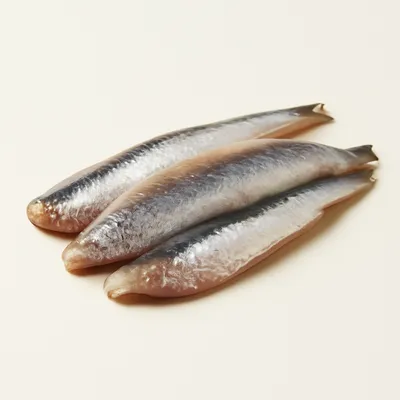
A thick, spongy, focaccia-style baked bread from Palermo, eaten as street food and as a festive dish. A high, soft, well-leavened dough is baked in an oiled pan and topped with a cooked sauce of tomato and abundant slow-sweated onion, anchovy fillets that melt into the sauce, aged caciocavallo, dried oregano, and a scattering of toasted breadcrumb (mollica). The crumb stays airy and soft while the breadcrumb topping crisps in the oil, and it is cut into thick rectangles and eaten warm or at room temperature. The classic Palermo version is closely tied to Christmas, Christmas Eve, and New Year.


Sfincione belongs to the baking tradition of Palermo, in western Sicily. The name most likely derives from the ancient Greek «spongos», by way of the Latin «spongia», meaning sponge, after the spongy, open crumb of the dough; it shares this root with «sfincia», a fried Sicilian sweet of similarly airy texture. An alternative etymology traces it to the Arabic «sfang», a honeyed fritter, though this is less commonly cited. The dish is traditionally said to have originated in a Palermo convent — the Franciscan monastery known as San Vito — where the nuns enriched plain bread dough for feast days; this attribution is recounted as tradition rather than documented fact, and sources place it variously in the 17th or 18th century. This early version had no tomato, which entered Sicilian cooking later; the tomato-onion-anchovy topping is a subsequent enrichment by Palermo bakers. The dish has a lasting festive role, prepared in quantity for Christmas, Christmas Eve, the Feast of the Immaculate Conception (December 8), and New Year.
The first thing is the crumb: thick, two fingers high, airy and pillowy-soft, almost wet inside from the oil and sauce it soaks up. The onion has cooked down to sweet and jammy, the anchovy has dissolved into a deep savory undertone you taste rather than see, and dried oregano runs through it. On top, the toasted breadcrumb gives a fine crunch that plays against all that softness, and the aged caciocavallo adds a sharp, salty pull. Done well it is moist and tender with a crisp top; done badly the base is doughy and raw, or the top has dried out hard, or it is greasy rather than soft.
The open, spongy crumb comes from a high-hydration, well-oiled dough given a long final proof in the pan, so the gluten relaxes and the yeast builds a loose, gas-filled structure that bakes up tall and soft. The toasted breadcrumb topping is functional as well as textural: it absorbs surface oil and crisps in the heat, and it shields the soft top from drying out and scorching during the bake. The anchovy is laid on raw and effectively melts — its proteins break down in the heat and release glutamates, lending savory depth (umami) that spreads through the sauce without leaving fishy pieces. Sweating the onion slowly first drives off harsh sulphur compounds and develops its natural sugars toward sweetness. The pan is typically baked hot, around 220 to 230°C, starting low in the oven so the base cooks through before the top over-colors.
Variations
The version described is sfincione palermitano, the classic Palermo style with a red tomato-onion-anchovy topping and caciocavallo. The best-known variant is the sfincione di Bagheria, a «white» (bianco) sfincione from the town just east of Palermo: it is taller, drier and crisper, round, and made without tomato, dressed instead with onion, anchovy and the local fresh cheeses tuma and ricotta. A different style is found at San Vito Lo Capo, in the Trapani area, as a lower, softer focaccia. There is also the sfincionello, a smaller, round individual version sold as street food. The whole family is a Sicilian relative of focaccia, distinguished by its especially tall, spongy crumb.
On the Palate
Where Sfincione sits in the Italian flavor cloud
Ingredients
Serves 6


How it's made
8 steps · 50 min active + 2 hours 40 min waiting
- 1100 min
Make a soft, high-hydration dough with flour, water, yeast, a little oil and salt; knead until smooth, then leave to rise until doubled.
- 230 min
Slice the onions thinly and sweat them gently in olive oil until soft and sweet, then add tomato (passata or peeled tomatoes) and cook to a thick sauce; season and cool.
- 360 min
Oil a baking pan generously, press the risen dough out to fill it, and leave to proof again until puffy and airy.
Watch outGive the dough a long second proof in the oiled pan until airy and jiggly — this is what bakes up tall and spongy rather than dense.
- 48 min
Dimple the surface, then spread over the onion-tomato sauce and lay anchovy fillets and pieces of caciocavallo across the top.
- 54 min
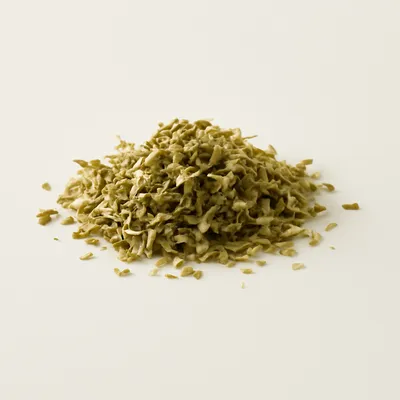
Scatter over grated caciocavallo, a generous amount of dried oregano, and a layer of breadcrumbs, then drizzle with olive oil.
- 615 min
Bake in an oven preheated to about 220 to 230°C, starting in the lower part, until the base is cooked through.
Watch outStart it low so the base cooks through first — go too high too soon and the top scorches while the bottom stays raw.
- 712 min
Move higher in the oven to finish, until the top is golden and the breadcrumbs are crisp.
Watch outMove it up to finish only until the breadcrumb top is golden and crisp — the crumb layer shields the soft top, so watch it doesn't tip into burnt.
- 85 min
Let it settle briefly, then cut into thick rectangles and serve warm or at room temperature.
Archive tool suggestions — not reviewed
These legacy suggestions have not been evidence-reviewed and are not presented as required tools.


