
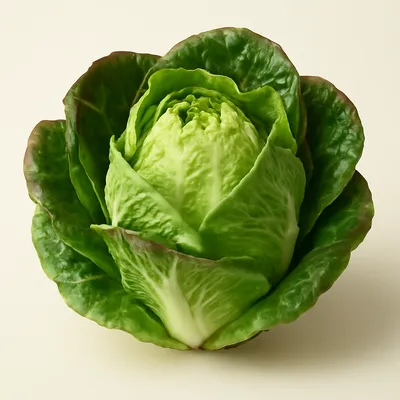
A rustic cornmeal flatbread of Molise — pizza here in the old country sense of a flat baked cake, not the Neapolitan kind — made from a dense dough of maize flour, sometimes cut with a little wheat, and traditionally baked on a hot hearthstone under the coals. It is dark gold, firm and faintly sweet from the corn, and is the natural partner to cooked bitter greens: the flatbread is split, filled with garlicky sautéed chicory, broccoli rabe or wild field greens, or simply eaten alongside them. A staple of the inland cucina povera born when maize replaced scarcer wheat, it is country food, plain and sustaining.




Maize reached southern Italy after the Columbian exchange and spread through the poorer inland country from the 17th and 18th centuries, where it became the grain of the peasantry — eaten as polenta, and baked into flat maize cakes when wheat was too dear for bread. In Molise this gave the pizza di granoturco, granoturco being the Italian for maize, a hearth-baked cornmeal flatbread of the hill farms, cooked under the embers or on a hot stone and eaten with the greens the land gave freely. It is anonymous cucina povera rather than a documented recipe, one of a family of maize and chestnut and chickpea flatbreads that fed grain-poor country folk across the Apennines; the wider spread of maize into southern peasant diets is well documented, the local flatbread itself a matter of living tradition.
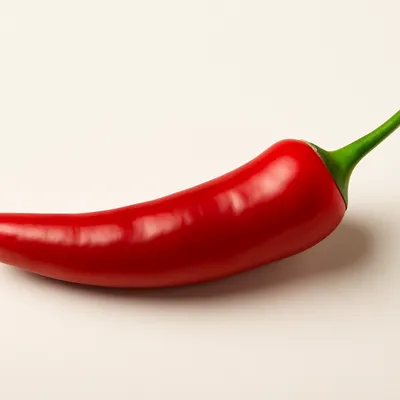
Dense, hearty and a little crumbly, with the firm, sandy bite particular to a cornmeal bread and a gentle natural sweetness from the maize. The crust is dark and a touch crisp where it met the stone or coals, the inside close-grained and moister, smelling toasted and grainy. On its own it is plain and filling; the point is the contrast with the greens — the cornbread's mild sweetness set against the pleasant bitterness of chicory or rapini, the garlic and chilli and oil of the sauté, and the salt — a study in sweet, bitter, savoury and a little heat. Best warm; cooled, it firms and dries and is better split and refilled or toasted.
Maize has no gluten, so a pure cornmeal dough cannot trap gas or stretch like wheat bread; it is bound instead by gelatinised starch, the meal worked with hot or plenty of water so its starch swells and sets into a cohesive, close crumb, and a little wheat flour is often added to lend some structure and make it less crumbly. Baked hard against a hot stone or under coals, the surface dehydrates and browns through Maillard and a faint caramelisation of the corn's own sugars, giving the dark, lightly crisp crust and toasted aroma, while the inside steams firm. The greens are cooked separately: bitter chicory or rapini are blanched to tame their bitterness, then sautéed in garlic, oil and chilli to concentrate flavour, the sweetness of the cornbread set deliberately against their bitter, savoury bite.
Variations
The flour is sometimes all maize, sometimes cut with wheat for a less crumbly cake, and the dough may be leavened lightly or made flat and unleavened; some versions bake the greens right into the dough as a filled, double-crust pizza ripiena, others serve the plain flatbread beside the sauté. The greens range with the season — coltivated chicory, broccoli rabe, or wild field greens and herbs — dressed with garlic, oil, chilli and sometimes a little sausage. The marriage of maize bread and bitter greens recurs across the grain-poor south, kin to the cornbread-and-greens and pancotto traditions of Puglia and Basilicata, all making a meal from cheap flour and free-growing leaves.
On the Palate
Where Pizza di Granoturco sits in the Italian flavor cloud
Ingredients
Serves 6
How it's made
7 steps · 1 hour
- 110 min
Mix maize flour (and a little wheat flour if using) with salt, and bring water to the boil.
- 235 min
Work in the hot water and a little olive oil to make a dense, smooth dough; rest it, covered, for 30 minutes.
Watch outWork the hot water into the cornmeal to a dense, smooth dough — maize has no gluten, so gelatinized starch is the only thing binding it; too dry and it crumbles.
- 310 min
Pat or roll the dough into a flat round about 1.5 cm thick.
- 430 min
Bake on a very hot stone, in a hot oven, or under coals until the crust is dark gold and firm, about 30 minutes.
Watch outBake on a very hot surface until the crust is dark gold and firm — that hard heat browns the corn's own sugars into the toasted, crisp crust.
- 512 min
Meanwhile blanch chicory or broccoli rabe in salted water to soften and tame the bitterness, then drain.
- 610 min
Sauté the greens in olive oil with garlic and a little chilli until well flavoured and any liquid has cooked off.
- 73 min
Split the warm flatbread, fill with the greens (or serve them alongside), and eat warm.
Archive tool suggestions — not reviewed
These legacy suggestions have not been evidence-reviewed and are not presented as required tools.


