Wild bulbs of Leopoldia comosa foraged from Puglia's limestone garigues — soaked overnight to leach bitterness, parboiled, then sautéed in olive oil with garlic and chili or preserved sott'olio. A cucina-povera antipasto eaten since antiquity alongside friselle, bread or aged pecorino.




Muscari comosum bulbs have been foraged and eaten across southern Italy since at least Roman antiquity; Italian food sources record their use at Roman wedding banquets for their reputed aphrodisiac properties. The bulbs were a crucial peasant food across Puglia and Basilicata during lean seasons, valued for their long shelf life when preserved in oil. Today they are listed among Italy's PAT (Prodotti Agroalimentari Tradizionali) of both Puglia and Basilicata; the Alta Murgia plateau and the limestone scrublands of the Salento remain the primary foraging grounds.
Firm-tender with a clean, assertive bitterness upfront that yields, after a moment, to a slow-building sweetness — the distinctive bitter-sweet counterpoint that makes lampascioni unlike any cultivated allium.
Lampascioni bitterness comes from steroidal saponins and homoisoflavonoid glycosides concentrated in the outer bulb layers. Overnight cold-water soaking — with the water changed three or four times — leaches these water-soluble compounds by osmotic diffusion; cross-scoring the base accelerates penetration. A 10–15 minute parboil drives out further residual bitterness. Olive oil coating then forms a lipid barrier that dulls perception of remaining phenolics. The lingering sweetness derives from inulin-type fructans stored in the bulb as energy reserves — the same polysaccharide family responsible for the sweet aftertaste in Jerusalem artichokes.
Variations
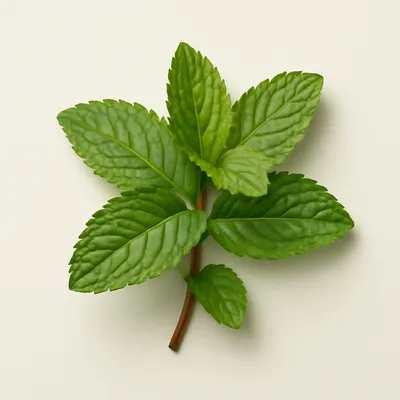
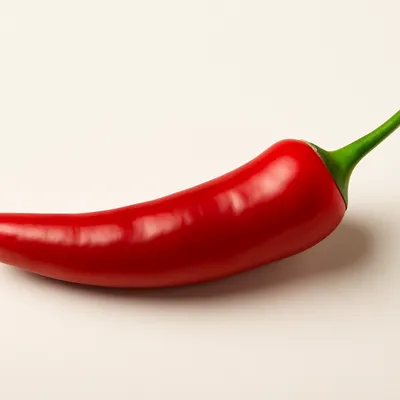
Sott'olio (whole bulbs preserved in oil with garlic, chili and fresh mint); frittata con lampascioni (beaten with eggs into an omelette); frittelle (dipped in batter and deep-fried until puffed); lampascioni a fiore (star-scored so the petals open in hot oil); slow-braised in tomato sauce.
On the Palate
Where Lampascioni sits in the Italian flavor cloud
Ingredients
Serves 4How it's made
6 steps · 20 min
- 110 min
Peel away the dry outer skin from each lampascione and trim the roots; use a small knife to score a deep cross or star into the base of each bulb.
- 2360 min
Submerge the bulbs in a large bowl of cold water and soak for at least 6 hours or overnight, changing the water 3–4 times to draw out bitterness.
Watch outSoak the bulbs 6 hours or overnight, changing the water 3–4 times — each change draws off more of the bitter saponins; skimp and they stay harsh.
- 315 min
Bring a pot of salted water to a boil, add the drained bulbs and parboil for 10–12 minutes until just tender but still holding their shape. Drain and pat dry.
Watch outParboil just until tender but still holding shape — overcook now and they collapse to mush when you sauté.
- 43 min
Heat a generous pour of extra virgin olive oil in a wide pan over medium heat; add smashed garlic cloves and a split fresh chili, and let them sizzle for 1 minute.
- 58 min
Add the parboiled lampascioni in a single layer and sauté for 6–8 minutes, turning occasionally, until lightly golden on all sides.
Watch outSauté until lightly golden on all sides — that gentle color builds sweetness against the lingering faint bitterness.
- 63 min
Splash over a tablespoon of white wine vinegar, season with salt, toss to coat and remove from heat; transfer to a serving plate, drizzle with fresh olive oil and scatter torn mint or flat-leaf parsley.


