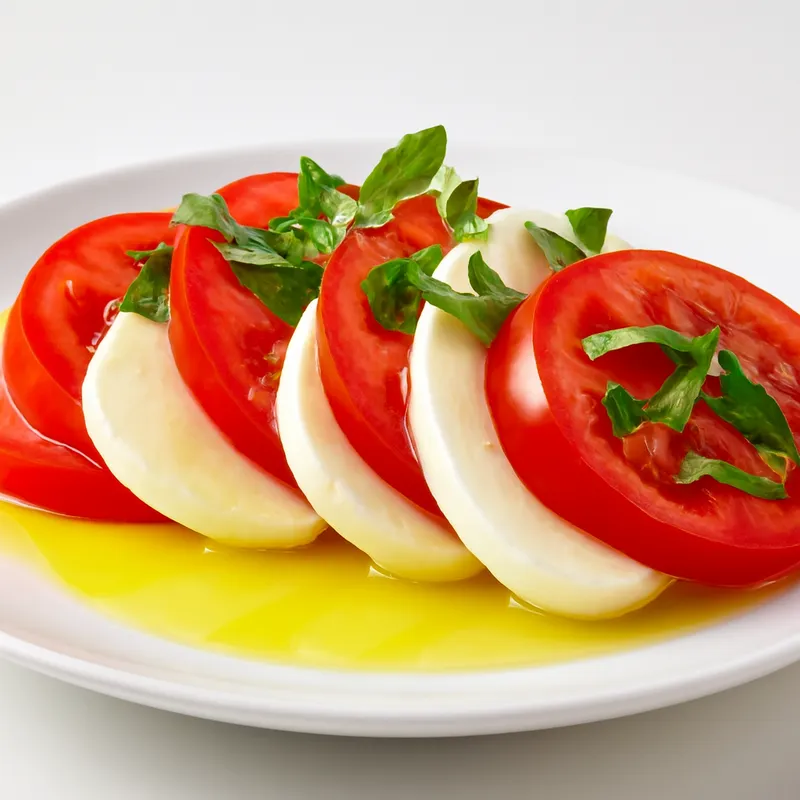
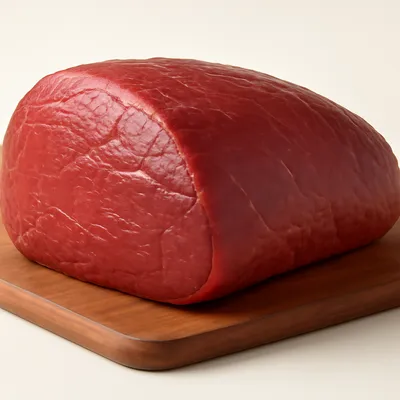
An air-dried salted beef from the Valtellina, the alpine valley of the province of Sondrio in Lombardy. Lean cuts from the hind leg — chiefly the eye of round and topside — are trimmed, dry-salted with spices, then air-cured for some two to three months until firm and deep purple-red. It is sliced paper-thin and eaten raw, classically dressed at the table with olive oil, lemon, rocket and shavings of Parmigiano. The Valtellina version carries PGI (protected geographical indication) status.



Salting and air-drying beef, game and mutton was already widespread across the Alps in the early Middle Ages, and bresaola in the Valtellina is first recorded in writing in the 15th century under dialect spellings such as brazaola, brisaola and bresavola. The name's origin is uncertain: one theory derives it from the Germanic brasa (embers, brazier), recalling the braziers once used to warm and dehumidify the curing rooms, while a Lombard reading traces it to bresada, 'braised'. Bresaola della Valtellina was registered as a protected geographical indication by the European Union in 1996 (Commission Regulation EC No 1263/96 of 1 July 1996), and a consortium to protect the name was founded in 1998; all processing must take place within the province of Sondrio.
Slices so thin they are almost translucent, a uniform deep red with a faint darker rim. The texture is firm but yielding, never chewy, melting toward the back of the bite; the flavour is concentrated, clean beef — savoury and gently aromatic from the spices, distinctly lacking the sourness of a poorly cured ham. Oil softens it, lemon lifts it, the pepper of raw rocket and the salt of Parmigiano frame it. Cut too thick it turns leathery; that is the usual fault.
Bresaola relies on salt and slow drying rather than smoke or heat. Dry salt draws water out of the lean muscle by osmosis and lowers water activity, while the salt and the cold alpine air together suppress spoilage microbes; over two to three months the meat loses much of its weight as moisture leaves, concentrating flavour and firming the texture. The very low fat of the eye of round is what lets it cure evenly without going rancid, and gives the clean, non-greasy slice. Because it is never cooked, the curing and the controlled drying environment are the entire safety mechanism.
Variations
Bresaola della Valtellina is made from beef, but related Alpine air-dried meats use other animals: bresaola made from horse is found, and the Valchiavenna nearby is known for slinzega, a smaller air-dried cure traditionally of beef or other lean meats. Cuts vary within the leg — eye of round gives the prized lean cylinder, while topside and silverside are also used. Switzerland's neighbouring Grisons makes the closely comparable Bündnerfleisch. At the table, the oil-lemon-rocket-Parmigiano dressing is standard, though some serve it plain or with goat cheese and walnuts.
On the Palate
Where Bresaola sits in the Italian flavor cloud
Ingredients
Serves 6


How it's made
7 steps · 30 min
- 115 min
Trim a whole eye of round of all external fat and silverskin so the cure can penetrate evenly.
- 210 min
Rub the beef thoroughly with a cure of salt, ground black pepper, juniper, bay and a little garlic, pressing it into the surface.
- 35 min
Refrigerate the salted beef in a sealed container for about two weeks, turning it daily and redistributing the cure, so it salts evenly throughout.
Watch outTurn the beef daily in the cure for about two weeks so it salts evenly right through — skip the turning and the center stays under-cured.
- 410 min
Rinse off the surface cure, pat the meat dry and let it air-dry briefly until the surface is tacky.
- 55 min
Hang the beef in a cool, humid, well-ventilated space (roughly 12 to 15 degrees) to air-cure.
- 65 min
Cure for two to three months until the meat has lost about a third of its weight and feels firm throughout.
Watch outCure until the meat has lost about a third of its weight and feels firm all the way through — soft spots mean the inside is still wet and unsafe.
- 710 min
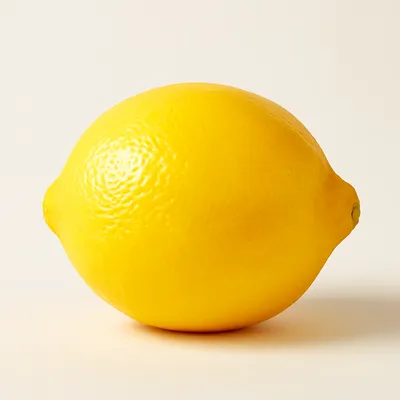
Slice paper-thin against the grain and serve at room temperature, dressed with olive oil, lemon, rocket and shaved Parmigiano.
Archive tool suggestions — not reviewed
These legacy suggestions have not been evidence-reviewed and are not presented as required tools.