
Savoiardi are light, dry, finger-shaped sponge biscuits dusted with sugar, known in English as ladyfingers or sponge fingers and in French as biscuits a la cuillere. They are made by the biscuit method, whipping the egg whites and yolks separately and folding them with flour, with no added fat and no chemical leavening, then piping fingers, dusting them with sugar, and baking them crisp. The result is so dry and porous that it drinks in liquid without falling apart, which is why savoiardi are the chosen base for soaked desserts: above all tiramisu, but also charlotte, zuppa inglese, and trifle. Eaten plain they are brittle and almost neutral; the moment they meet coffee or liqueur they turn pillowy and custardy while holding their shape.



Savoiardi are traditionally associated with the court of the House of Savoy, and that link is held in the name itself: savoiardi means «of Savoy», an etymology confirmed across Italian, French, and English sources. Beyond the name, the origin story is legend rather than documented fact, and the popular tellings contradict one another. The better-cited version places the prototype in the 14th century, under the cook of Amedeo VI of Savoy, while the often-repeated «15th century» dating is the less-sourced variant; the visiting royal said to have prompted them is named in some accounts as the Holy Roman Emperor and in others as the King of France, and the precise year 1348 traces only to Alexandre Dumas's cookery dictionary of 1873, a 19th-century attribution. Marie-Antoine Careme did not invent the biscuit a la cuillere but popularized it in the early 1800s; it predates him. Savoiardi hold no EU DOP or IGP; what exists is national PAT recognition in Piedmont and the related Biscotto di Fonni in Sardinia.
Dry, crisp, and feather-light, with a faint shattering snap that gives way to a tender, airy, slightly chalky open crumb. The sugar-dusted top is delicately crunchy and pearled with tiny crackled beads; the flavour is clean, eggy, and only lightly sweet, almost neutral, which is exactly the point of a biscuit meant to carry other flavours. Plain, they are brittle and biscuity. Dipped, they drink in coffee or liqueur and turn soft and custardy in seconds while still holding together, never collapsing to mush the way a moister cake would.
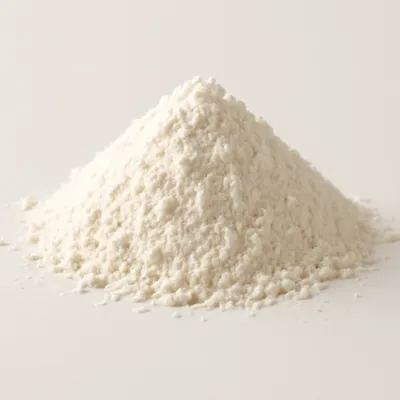
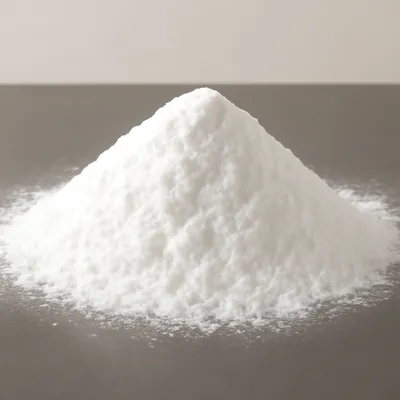
Savoiardi are made by the separated-egg biscuit method, not the whole-egg genoise method: the whites are whipped to firm peaks, the yolks beaten pale with sugar, and the two folded together with flour. That double foam, with no fat and proportionally more flour, sets into a dry, stiff, open, porous crumb, and the leavening is purely the air whipped into the eggs, with no baking powder. The piped fingers are dusted with sugar before baking, which draws surface moisture and sets into a thin crisp pearled crust with its characteristic fine cracks. Because there is no fat, the baked biscuit is shelf-stable and intensely absorbent, soaking up liquid without instantly disintegrating, unlike a moister, fattier genoise. Bake hot and briefly, around 180°C, and let them dry fully so they crisp through.
Variations
Savoiardi are the classic vehicle of tiramisu, soaked in espresso with a touch of liqueur and layered with mascarpone cream. Stood upright they line the mould of a charlotte russe around a bavarian filling; soaked in red alchermes they layer a zuppa inglese; in Britain they go into trifle, soaked in sherry or fruit juice. They also serve as the sponge layers or linings of semifreddo and ice-cream cakes. A softer, larger Sardinian cousin, the Biscotto di Fonni, is also called savoiardone or pistoccu de caffe. The French boudoir and biscuit a la cuillere are close relatives, the boudoir a drier biscuit historically linked to Careme.
On the Palate
Where Savoiardi sits in the Italian flavor cloud
Ingredients
Serves 6How it's made
8 steps · 25 min active + 20 min waiting
- 15 min
Heat the oven to 180°C, line two trays with parchment, and fit a piping bag with a plain round tip.
- 23 min
Separate the eggs cleanly, keeping any trace of yolk out of the whites so they whip up stiff.
Watch outKeep every trace of yolk out of the whites — even a speck of fat stops them whipping stiff, and the whole biscuit rises on that whipped-in air alone.
- 34 min
Beat the yolks with most of the sugar until pale, thick, and ribboning.
- 44 min
In a clean bowl, whip the whites with a pinch of salt to soft peaks, then add the remaining sugar and whip to firm, glossy peaks.
- 54 min
Fold a third of the whites into the yolks to loosen, then fold in the rest alternately with the sifted flour, keeping the foam light.
Watch outFold in the whites and flour gently to keep the foam light — knock the air out and the fingers bake flat and dense instead of dry and open.
- 65 min
Pipe fingers about eight to ten centimetres long, well spaced.
- 72 min
Sift powdered sugar generously over them, wait a minute until it pearls, then dust a second light coat.
Watch outSift sugar over, wait until it pearls, then dust a second coat — that pearled sugar sets into the fine cracked crust; skip the wait and it just dissolves in.
- 815 min
Bake until pale gold and dry to the touch, then turn off the oven and leave them inside to crisp fully before cooling.
Archive tool suggestions — not reviewed
These legacy suggestions have not been evidence-reviewed and are not presented as required tools.


