
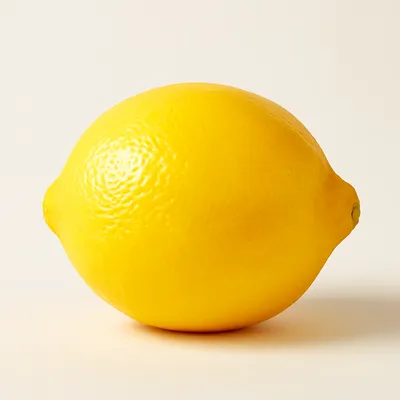
A modern lemon dessert from the Sorrento and Amalfi coasts, built as a small dome. A light sponge is baked, soaked with a limoncello-and-lemon syrup, hollowed and filled with a lemon cream, then turned out and coated all over in more of the same cream, loosened to a pourable glaze, so each one sits like a pale yellow mound. The cream is a lemon-scented pastry cream lightened with whipped cream and sharpened with the juice and zest of the coast's big, fragrant lemons. It is served chilled, individually, and is intensely lemony, soft and cool rather than heavy.




The dish is recent and its author is recorded: it was created in 1978 by the Sorrento pastry chef Carmine Marzuillo, who presented it that year at a national congress of the cooks' association, where it was awarded a medal by the gastronome Luigi Carnacina. Marzuillo, long associated with the kitchens of the Massa Lubrense area, is credited as its inventor in the Italian press, including his obituaries; the dessert spread quickly along the Sorrentine peninsula and the Amalfi Coast and then nationally, and other pastry chefs of the coast, notably Salvatore De Riso of Minori, became known for their own versions. It is a deliberate showcase for the area's prized lemons (the Sorrento and Amalfi PGI lemons), built in the late-20th-century idiom of soaked sponge and lightened cream rather than from any old peasant tradition.
Cool, soft and almost weightless, the dome gives way under the spoon into damp sponge and a flood of pale lemon cream. The flavour is all lemon — zest-fragrant and brightly tart up front, rounded by the milky sweetness of the cream and a low warm note of limoncello — kept just short of sour. There is no crunch and no chew; the pleasure is the contrast of the syrup-soaked, melting sponge against the silkier, colder cream coating it. A good one is balanced and clean, lemon over sugar; a bad one is either soaked to mush and falling apart, or stodgy and over-sweet when the pastry cream is heavy and under-lightened, or harsh and boozy if the limoncello is poured in with no restraint.
Everything turns on lemon and on a cream that must be both rich and light. The sponge is whipped from whole eggs and sugar to a foam, whose trapped air and set egg protein give a dry, open crumb that can drink up a lot of syrup without dissolving — that capacity to soak is the whole point of the soft, melting interior. The filling and coating are a crema pasticcera, thickened by gelatinising its starch and coagulating its egg yolks, then folded with whipped cream so air lightens the texture; sometimes a little gelatin is added so the coating holds its glossy dome. Lemon is added two ways for different effects: the zest carries fat-soluble aroma oils (chiefly limonene) that perfume the fat-rich cream, while the juice brings the sour acidity — and that acidity must be folded in gently and late, because too much acid added too early can thin the cream or curdle the dairy. The dessert is served well chilled so the cream is set and the flavours read clean.
Variations
The most cited variation is by region and maker: the Amalfi-coast style associated with Salvatore De Riso tends to a rounder, creamier dome, sometimes with a layer of limoncello-laced cream, against the more strictly lemon Sorrentine original. Home and shop versions differ in how boozy the syrup is, in whether the cream is brightened with extra whipped cream or stays a firmer pastry cream, and in finish — a smooth glaze, a piped rosette and a candied lemon leaf or strip of zest on top. The same coast turns its lemons into other sweets — lemon profiteroles and tarts, lemon-ricotta cakes, the drink limoncello and the lemon granita — but the dome-and-cream «delizia» is its signature.
On the Palate
Where Delizia al Limone sits in the Italian flavor cloud
Ingredients
Serves 8

How it's made
8 steps · 1 hour
- 140 min
Whisk whole eggs with sugar over gentle warmth, then off the heat until tripled and pale, fold in sifted flour with lemon zest, and bake small domes or a sheet at about 180 degrees until springy; cool completely.
Watch outWhip the eggs and sugar until tripled and pale — that trapped air gives the dry, open crumb that soaks up the syrup without dissolving.
- 220 min
Make a pastry cream: heat milk with lemon zest, whisk yolks with sugar and a little starch, combine and cook until thick, then cool with cling film on the surface.
- 310 min
Make the soaking syrup by warming water and sugar to dissolve, then stirring in limoncello and a little lemon juice off the heat; let it cool.
- 415 min
Loosen the cold pastry cream, beat in lemon juice and zest to taste, then fold through softly whipped cream; keep some firmer for filling and thin the rest with a little cream for coating.
- 515 min
If using domes, hollow each slightly; if using a sheet, cut and shape rounds, then brush or spoon the limoncello syrup over until well soaked but not collapsing.
Watch outSoak with syrup until well drenched but not collapsing — the sponge should be melting-soft, not falling apart into mush.
- 610 min
Fill the cavities with the firmer lemon cream and close, so each forms a smooth dome.
- 710 min
Set the domes on a rack and pour the looser lemon cream over to coat them evenly, letting the excess drip off.
Watch outPour the looser cream over the chilled dome to coat it evenly, letting the excess drip — that's the glossy skin that holds its shape.
- 8180 min
Chill for at least 2 to 3 hours until set, then finish each with a small rosette of cream and a curl of lemon zest before serving cold.
Archive tool suggestions — not reviewed
These legacy suggestions have not been evidence-reviewed and are not presented as required tools.


