The emblematic quinto quarto dish of Rome: suckling milk-lamb pluck—heart, lungs, sweetbreads, trachea, and liver—sautéed in stages with onion and white wine, then united with crisp Roman artichokes and wild Roman mint. A fixture of the Easter table and the old Testaccio trattoria.


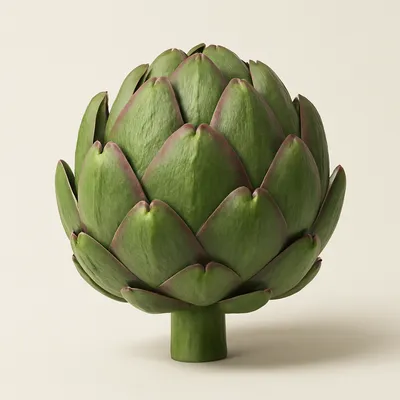



Born from Rome's quinto quarto tradition—the offal cooking of slaughterhouse workers (vaccinari) who received innards as wages—which took firm root around the Testaccio slaughterhouse, built 1888 and opened in 1891 as the city's largest. Their wives created dishes from heart, lungs, liver, and trachea discarded after the four prime quarters were sold; pairing lamb pluck with spring Roman artichokes became the quintessential Easter second course. Once confined to working-class osterie in the shadow of the mattatoio, coratella d'abbacchio spread citywide and is now a celebrated pillar of trattoria Roman cuisine.
Iron-rich and mineral, with the soft creaminess of liver against the chew of heart and lung, and the vegetal bitterness of artichoke; wild Roman mint cuts the richness clean on the finish.
Each organ demands a different heat window. Lung and trachea, dense with collagen and fibrous connective tissue, go in first to break down slowly. Heart, built from tight actin-myosin muscle fibers, follows. Liver—rich in myoglobin and iron, almost devoid of collagen—enters last and needs only 2 minutes before proteins seize and turn grainy and bitter. Artichokes are sautéed separately to preserve their texture and bitter phenolic compounds (cynarin), then folded in at the end. A splash of white wine deglazes the fond, dissolving the Maillard caramelization from browned organ surfaces into a rich, savory sauce.
Variations
A simpler version omits artichokes and is seasoned only with onion, white wine, and bay leaf. Some preparations add sweet-sour caramelized onion (cipolla in agrodolce). Jewish-Roman cooks substitute olive oil for the traditional lard. Coratella with peas (piselli) is the spring alternative when artichokes are unavailable.
On the Palate
Where Coratella d'Abbacchio con Carciofi sits in the Italian flavor cloud
Ingredients
Serves 4


How it's made
8 steps · 30 min
- 120 min
Soak the lamb pluck pieces—except liver—in cold water with a splash of white wine vinegar and a bay leaf for 20 minutes to mellow the flavor; then drain, rinse, and pat dry.
- 210 min
Trim Roman artichokes: remove outer leaves, halve, scrape out the choke, cut into wedges, and keep in cold acidulated water until needed.
- 35 min
Slice the white onion finely. Warm olive oil in a wide, heavy pan over medium heat and sauté the onion until softened and lightly golden, about 5 minutes.
- 410 min
Add lung pieces and trachea; raise heat to high and cook, stirring, for 5-6 minutes until lightly browned. Add heart and sweetbreads; cook 4 more minutes.
Watch outGo organ by organ — lung and trachea first to soften, heart next; each needs its own window, and rushing them all in together leaves some tough, some grainy.
- 52 min
Deglaze with white wine; stir to lift the fond and let the alcohol evaporate, 1-2 minutes. Season with salt and black pepper.
- 68 min
In a separate pan, cook the artichoke wedges in olive oil with 2 crushed garlic cloves over medium-high heat until golden and just tender, about 8 minutes; season.
- 72 min
Add the sliced liver to the offal pan; sauté over high heat for 2 minutes only—do not overcook or the liver will turn grainy and bitter.
Watch outAdd the liver last and give it two minutes only — the instant its proteins seize it turns grainy and bitter, so pull the pan the moment it's just done.
- 82 min
Fold the artichokes into the offal, toss briefly to combine all flavours, scatter a handful of fresh wild Roman mint (mentuccia), and serve immediately.


